Singapore’s Beloved Singapura Cats: From Street Cats to National Treasures


Feline News
Singapore’s Beloved Singapura Cats: From Street Cats to National Treasures

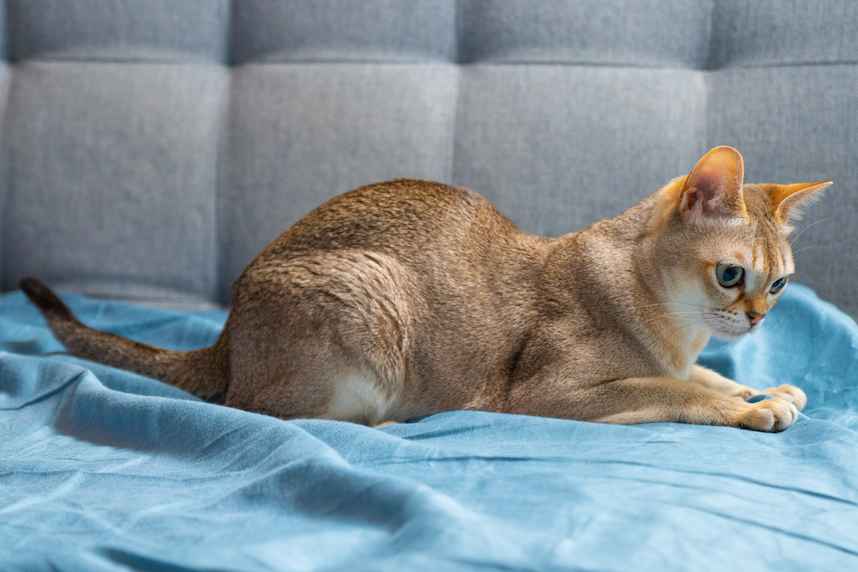
Singapore’s iconic Singapura cats, once dismissed as “drain cats” scurrying through the city-state’s alleys, have undergone a remarkable transformation from urban strays to internationally recognized feline treasures. With their diminutive size, affectionate demeanor, and unique ticked coat, these cats now captivate hearts worldwide, symbolizing Singapore’s evolving relationship with its furry companions.

Origins and Physical Traits

The Singapura’s story begins in the 1970s when American expatriates Hal and Tommy Meadow encountered small, brown-ticked cats in Singapore’s streets. Believed to be descendants of local alley cats, these felines were brought to the U.S. and selectively bred to establish the Singapura breed, recognized by the Cat Fanciers’ Association (CFA) in 1981 . Weighing just 4–8 pounds, they are among the world’s tiniest domestic cats, with large, expressive eyes and a distinctive “sepia agouti” coat—each hair banded with light and dark brown, creating a shimmering effect . Their compact, muscular build belies their agility, while their playful and curious nature makes them ideal family pets .

Cultural Significance and Conservation

In 1991, Singapore declared the Singapura a “living national treasure,” reflecting its cultural and historical importance . The breed even served as the Singapore Tourism Board’s mascot, though plans were later shelved due to debates over its origins . Despite their status, Singapuras remain rare in their homeland, with most found in international breeding programs. To preserve genetic diversity, TICA (The International Cat Association) launched a collaborative breeding initiative in 2017, introducing unrelated cats from Singapore to expand the gene pool .

Legal Milestones and Modern Challenges

Singapore’s recent shift in pet policies has further elevated the Singapura’s profile. In 2024, the government ended a 34-year ban on cats in public housing (HDB flats), allowing residents to legally keep up to two cats per household, provided they register the pets and implant microchips . The move followed a 2022 survey showing 90% of Singaporeans supported cat ownership . However, challenges persist: stray cat populations, estimated at 13,000 in public areas, require sterilization programs to manage overbreeding . Animal welfare groups urge stricter regulations to prevent abandonment, as the 2024 policy transition saw a surge in reported cases .

Global Recognition and Future Outlook

Internationally, Singapuras are celebrated for their intelligence and sociability. They thrive in interactive environments, often forming deep bonds with their owners . The breed’s popularity is reflected in events like the Asia Cat Expo 2025, where Singapuras will likely take center stage alongside other feline breeds . With Singapore’s pet market projected to grow, demand for high-quality cat food and specialized care is rising, aligning with the Singapura’s reputation as a premium breed .


As Singaporeans embrace their feline companions, the Singapura’s journey from anonymity to stardom mirrors the nation’s broader shift toward compassionate urban living. These tiny cats, once hidden in shadows, now stand as symbols of resilience and the enduring bond between humans and animals.

Latest Stories
Feline News2 minute readThe Oriental Longhair, a breed celebrated for its elegance and intelligence, traces its roots to mid-20th-century breeding programs aimed at expanding the color and pattern diversity of Siamese cats . Developed through crosses with breeds like Russian Blues and British Shorthairs, these cats gained recognition in the 1970s and were officially acknowledged by The International Cat Association (TICA) in 1979 and the Cat Fanciers' Association (CFA) in 1995 .
Feline News2 minute readThe Korat cat, originating from Thailand’s Nakhon Ratchasima province (formerly Korat), is a breed deeply rooted in history and cultural significance. Revered for centuries as a symbol of good luck and prosperity, these silver-blue felines have enchanted the world with their striking appearance and affectionate nature.
Feline News2 minute readA heartwarming tale of survival and companionship has thrust the Munchkin cat into the global spotlight, showcasing the breed’s unique charm and indomitable spirit. Mochi, an 8-month-old Munchkin rescued from a life-threatening illness, has become an international symbol of hope, embodying the resilience and playful nature that define these short-legged felines.
Travel News2 minute readPerched atop an 82-meter volcanic plug in Le Puy-en-Velay, France, the Chapelle Saint-Michel d’Aiguilhe stands as a testament to faith and engineering prowess. Built in 962 AD, this architectural marvel balances precariously on a basaltic rock formation, blending Romanesque austerity with Moorish-inspired ornamentation to create one of Europe’s most dramatic religious landmarks.
Feline News2 minute readRagamuffin cats, affectionately known as "muffins," have captured the hearts of cat lovers worldwide with their plush coats, docile personalities, and striking appearance. Originating in the United States in the 1990s, this breed emerged from a group of breeders seeking to expand the genetic diversity of Ragdoll cats. By crossing Ragdolls with Persians, Himalayans, and other long-haired breeds, they created a larger, more robust feline with a broader range of coat colors and patterns
Canine News2 minute readOriginating in the early 20th century, the American White Shepherd traces its lineage to the German Shepherd. Due to a recessive white coat gene, these dogs were long considered "flawed" in Germany and systematically culled from breeding programs12. However, North American breeders recognized their unique appeal and selectively developed them into a distinct breed, officially acknowledged by the United Kennel Club (UKC) in 199917
Canine News1 minute readAs the world's first operational vertical/short takeoff and landing (V/STOL) fighter jet, the British-developed Harrier, nicknamed the "Jump Jet," has left an indelible mark on aviation history through its groundbreaking design and combat prowess.