The Alluring and Versatile Passion Fruit: A Tropical Delight


Plant Information
The Alluring and Versatile Passion Fruit: A Tropical Delight

The passion fruit, or Passiflora edulis, has been captivating taste buds and gardeners alike with its unique charm. Native to South America, specifically southern Brazil, Paraguay, and northern Argentina, this plant has now spread its influence across tropical and subtropical regions globally.

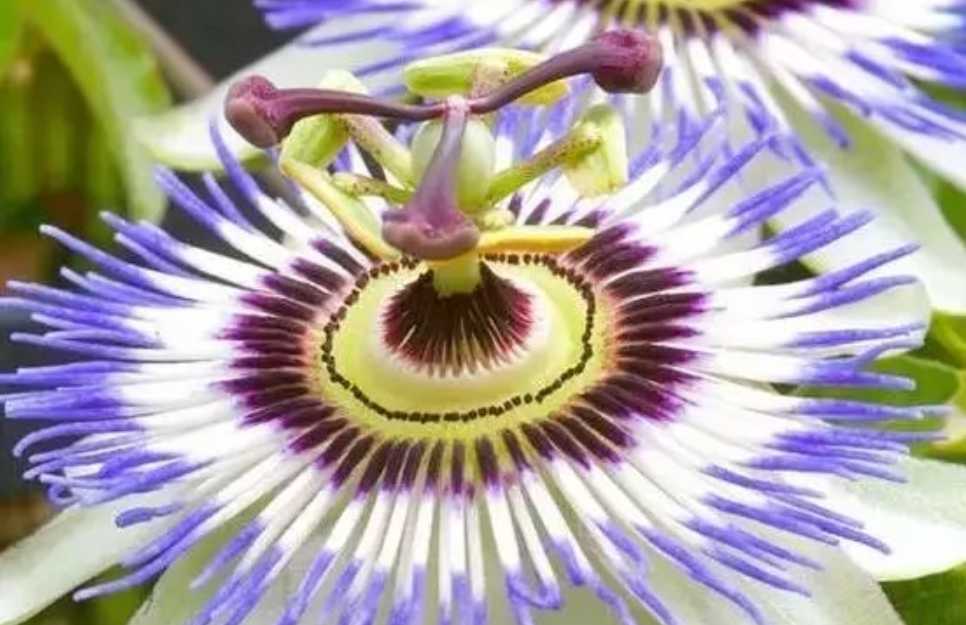
This evergreen climbing vine features slender, tendril - equipped stems that can reach lengths of up to 9 meters or more. The leaves are simple, glossy, and typically divided into three lobes, providing an elegant backdrop to the plant's most spectacular feature - its flowers. The large, showy flowers, around 8 cm (3 inches) in diameter, are a sight to behold. They are fragrant, with a combination of purple and white hues, and each individual bloom graces the plant for just a single day. The ovoid fruits that follow are about 5 cm (2 inches) across, boasting a rough rind. While most are purple as the common name implies, a yellow - fruited variety is also cultivated. Inside, each fruit contains as many as 250 edible seeds, each surrounded by a juicy, orange - colored aril.


Not only is the passion fruit a treat for the eyes, but it's also a culinary delight. Its intensely sharp flavor, with notes of mandarin, orange, and pineapple, makes it a favorite for both fresh consumption and as a flavoring agent. It is commonly used in desserts, drinks, and even fragrances. Moreover, the passion fruit has cultural significance. Its name originated with Christian missionaries, who saw symbolism of the passion of Jesus Christ in various parts of the flower. The purple and white filaments of the corona represented the crown of thorns, the five stamens the five wounds of the crucified Christ, and the three styles the nails that pinned him to the cross.


In gardens, passion fruit vines are relatively easy to grow in well - drained soil and plenty of sunlight. They can be trained to climb trellises or fences, adding a touch of the tropics to any outdoor space. As this remarkable plant continues to gain popularity, it enriches our lives with its beauty, taste, and cultural associations.

Latest Stories
Feline News2 minute readThe Oriental Longhair, a breed celebrated for its elegance and intelligence, traces its roots to mid-20th-century breeding programs aimed at expanding the color and pattern diversity of Siamese cats . Developed through crosses with breeds like Russian Blues and British Shorthairs, these cats gained recognition in the 1970s and were officially acknowledged by The International Cat Association (TICA) in 1979 and the Cat Fanciers' Association (CFA) in 1995 .
Feline News2 minute readThe Korat cat, originating from Thailand’s Nakhon Ratchasima province (formerly Korat), is a breed deeply rooted in history and cultural significance. Revered for centuries as a symbol of good luck and prosperity, these silver-blue felines have enchanted the world with their striking appearance and affectionate nature.
Feline News2 minute readA heartwarming tale of survival and companionship has thrust the Munchkin cat into the global spotlight, showcasing the breed’s unique charm and indomitable spirit. Mochi, an 8-month-old Munchkin rescued from a life-threatening illness, has become an international symbol of hope, embodying the resilience and playful nature that define these short-legged felines.
Travel News2 minute readPerched atop an 82-meter volcanic plug in Le Puy-en-Velay, France, the Chapelle Saint-Michel d’Aiguilhe stands as a testament to faith and engineering prowess. Built in 962 AD, this architectural marvel balances precariously on a basaltic rock formation, blending Romanesque austerity with Moorish-inspired ornamentation to create one of Europe’s most dramatic religious landmarks.
Feline News2 minute readRagamuffin cats, affectionately known as "muffins," have captured the hearts of cat lovers worldwide with their plush coats, docile personalities, and striking appearance. Originating in the United States in the 1990s, this breed emerged from a group of breeders seeking to expand the genetic diversity of Ragdoll cats. By crossing Ragdolls with Persians, Himalayans, and other long-haired breeds, they created a larger, more robust feline with a broader range of coat colors and patterns
Canine News2 minute readOriginating in the early 20th century, the American White Shepherd traces its lineage to the German Shepherd. Due to a recessive white coat gene, these dogs were long considered "flawed" in Germany and systematically culled from breeding programs12. However, North American breeders recognized their unique appeal and selectively developed them into a distinct breed, officially acknowledged by the United Kennel Club (UKC) in 199917
Canine News1 minute readAs the world's first operational vertical/short takeoff and landing (V/STOL) fighter jet, the British-developed Harrier, nicknamed the "Jump Jet," has left an indelible mark on aviation history through its groundbreaking design and combat prowess.