The Enchanting Prostrate Dendrobium: A Botanical Jewel of Orchidaceae


Plant Information
The Enchanting Prostrate Dendrobium: A Botanical Jewel of Orchidaceae

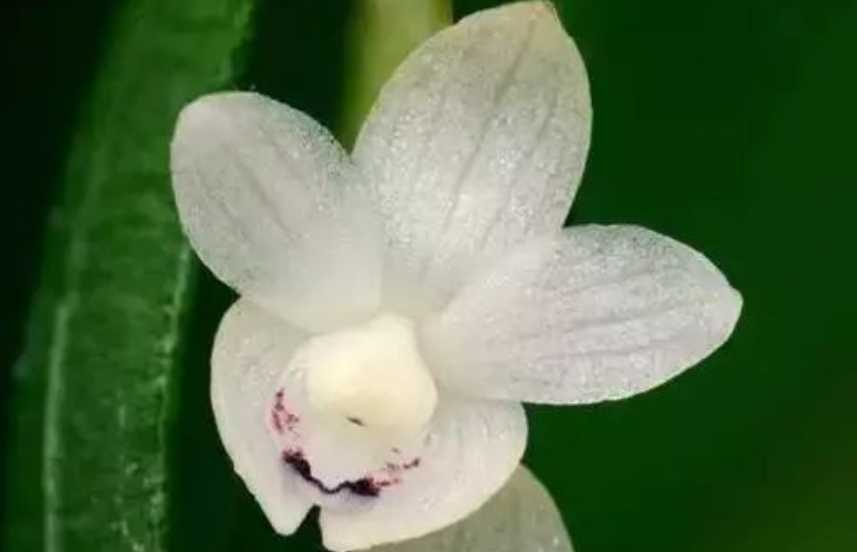
The Prostrate Dendrobium (Dendrobium tortile), a captivating orchid species native to Southeast Asia and southern China, has long fascinated botanists and horticulturists with its unique growth habit and resplendent blooms. This epiphytic orchid thrives in tropical and subtropical forests, clinging to tree trunks or rocky cliffs in search of filtered sunlight and humid air.


A Masterpiece of Form and Adaptation

Characterized by its prostrate, trailing stems that can extend up to 1 meter, the Prostrate Dendrobium earns its name from its horizontal growth pattern. The succulent, cylindrical stems are segmented, with each segment bearing two to three elliptical, leathery leaves (3–5 cm long). The plant’s most striking feature is its flowers, which emerge from the stem nodes in late spring to early summer. Each inflorescence carries 2–5 blooms, showcasing a palette of soft purples, pinks, and whites. The petals are gracefully curved, with the lip petal featuring intricate purple veining and a yellow throat, creating a landing pad for pollinators. The flowers, measuring 3–4 cm across, emit a subtle, sweet fragrance that attracts bees and butterflies.

Ecological Significance and Cultivation

In its natural habitat, the Prostrate Dendrobium plays a vital role in forest ecosystems, providing nectar for insects and shelter for small organisms. The orchid’s ability to grow on trees without harming them (epiphytic lifestyle) highlights its ecological adaptability. Cultivation requires replicating its native conditions: well-drained bark or moss substrates, bright indirect light, and consistent humidity (60–80%). It thrives in temperatures between 18–28°C, making it suitable for tropical greenhouses or indoor cultivation with proper care. Due to habitat loss and over-collection, some populations face decline, prompting conservation efforts to protect wild specimens. As a symbol of resilience and natural beauty, the Prostrate Dendrobium continues to inspire orchid enthusiasts, blending botanical wonder with horticultural artistry.
Latest Stories
Feline News2 minute readThe Oriental Longhair, a breed celebrated for its elegance and intelligence, traces its roots to mid-20th-century breeding programs aimed at expanding the color and pattern diversity of Siamese cats . Developed through crosses with breeds like Russian Blues and British Shorthairs, these cats gained recognition in the 1970s and were officially acknowledged by The International Cat Association (TICA) in 1979 and the Cat Fanciers' Association (CFA) in 1995 .
Feline News2 minute readThe Korat cat, originating from Thailand’s Nakhon Ratchasima province (formerly Korat), is a breed deeply rooted in history and cultural significance. Revered for centuries as a symbol of good luck and prosperity, these silver-blue felines have enchanted the world with their striking appearance and affectionate nature.
Feline News2 minute readA heartwarming tale of survival and companionship has thrust the Munchkin cat into the global spotlight, showcasing the breed’s unique charm and indomitable spirit. Mochi, an 8-month-old Munchkin rescued from a life-threatening illness, has become an international symbol of hope, embodying the resilience and playful nature that define these short-legged felines.
Travel News2 minute readPerched atop an 82-meter volcanic plug in Le Puy-en-Velay, France, the Chapelle Saint-Michel d’Aiguilhe stands as a testament to faith and engineering prowess. Built in 962 AD, this architectural marvel balances precariously on a basaltic rock formation, blending Romanesque austerity with Moorish-inspired ornamentation to create one of Europe’s most dramatic religious landmarks.
Feline News2 minute readRagamuffin cats, affectionately known as "muffins," have captured the hearts of cat lovers worldwide with their plush coats, docile personalities, and striking appearance. Originating in the United States in the 1990s, this breed emerged from a group of breeders seeking to expand the genetic diversity of Ragdoll cats. By crossing Ragdolls with Persians, Himalayans, and other long-haired breeds, they created a larger, more robust feline with a broader range of coat colors and patterns
Canine News2 minute readOriginating in the early 20th century, the American White Shepherd traces its lineage to the German Shepherd. Due to a recessive white coat gene, these dogs were long considered "flawed" in Germany and systematically culled from breeding programs12. However, North American breeders recognized their unique appeal and selectively developed them into a distinct breed, officially acknowledged by the United Kennel Club (UKC) in 199917
Canine News1 minute readAs the world's first operational vertical/short takeoff and landing (V/STOL) fighter jet, the British-developed Harrier, nicknamed the "Jump Jet," has left an indelible mark on aviation history through its groundbreaking design and combat prowess.