Turkish Angora: A Timeless Elegance in Feline Royalty


Feline News
Turkish Angora: A Timeless Elegance in Feline Royalty

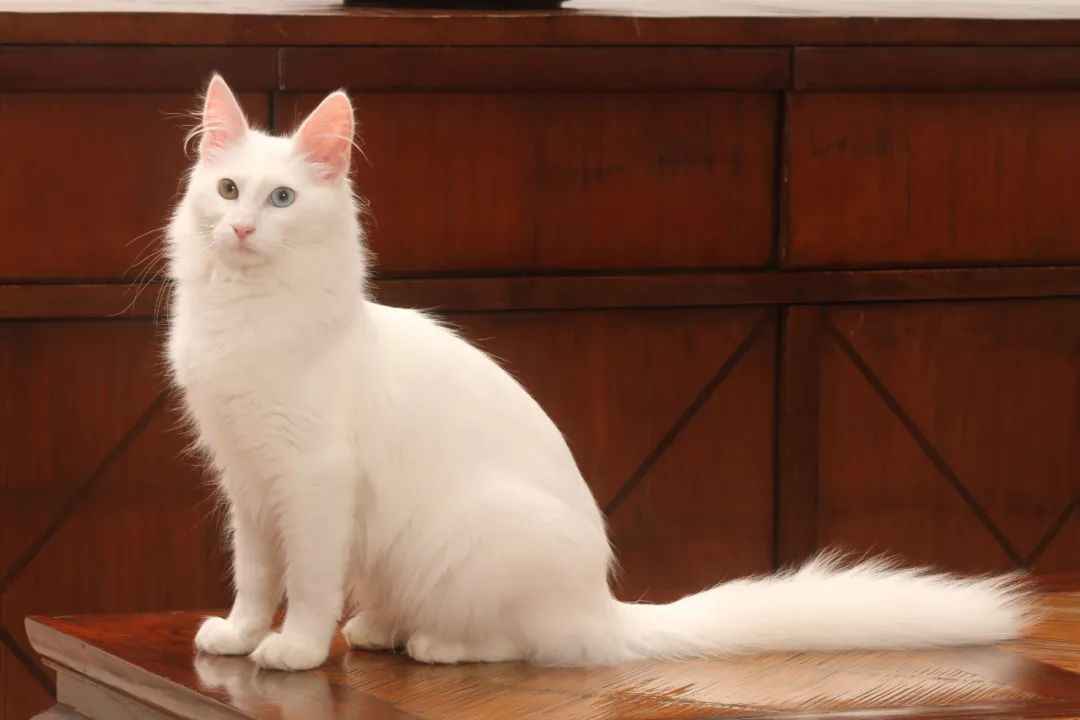
The Turkish Angora, a breed steeped in history and elegance, has captivated hearts for centuries with its striking appearance and regal demeanor. Originating from Ankara, Turkey (formerly Angora), this ancient longhair breed is believed to be the ancestor of many modern longhaired cats. Once on the brink of extinction, it was saved by dedicated conservation efforts, including a 1930s breeding program initiated by the Turkish government, which focused on preserving the iconic white-coated variety. Today, it stands as a national treasure, celebrated for its beauty and cultural significance.

A Graceful Marvel

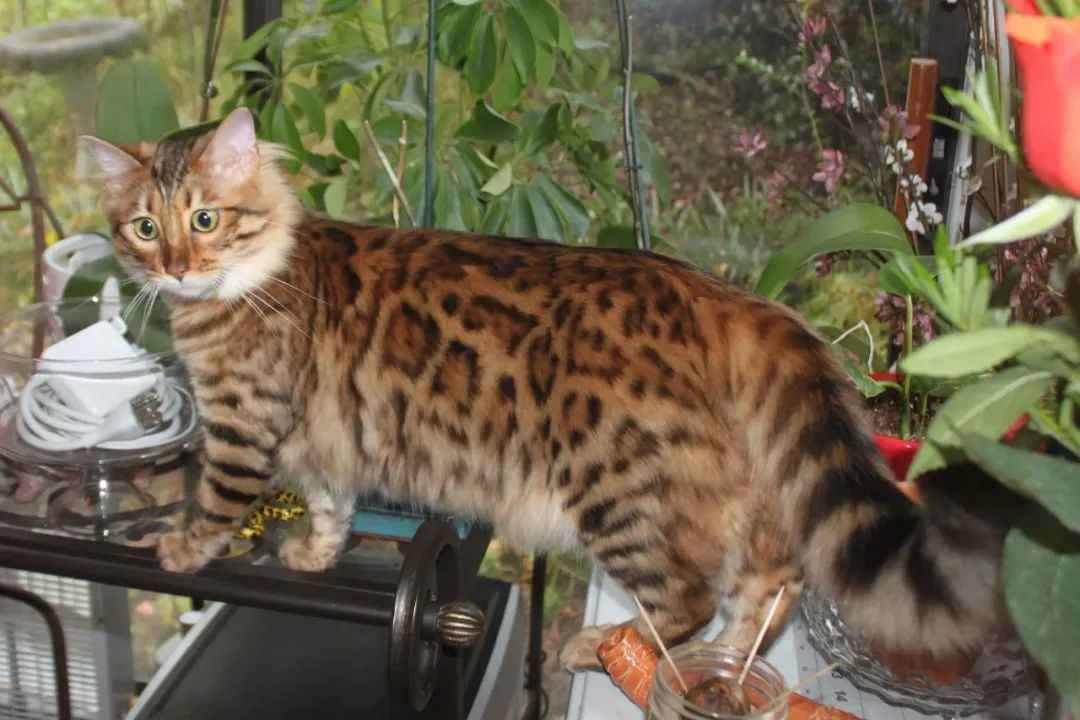
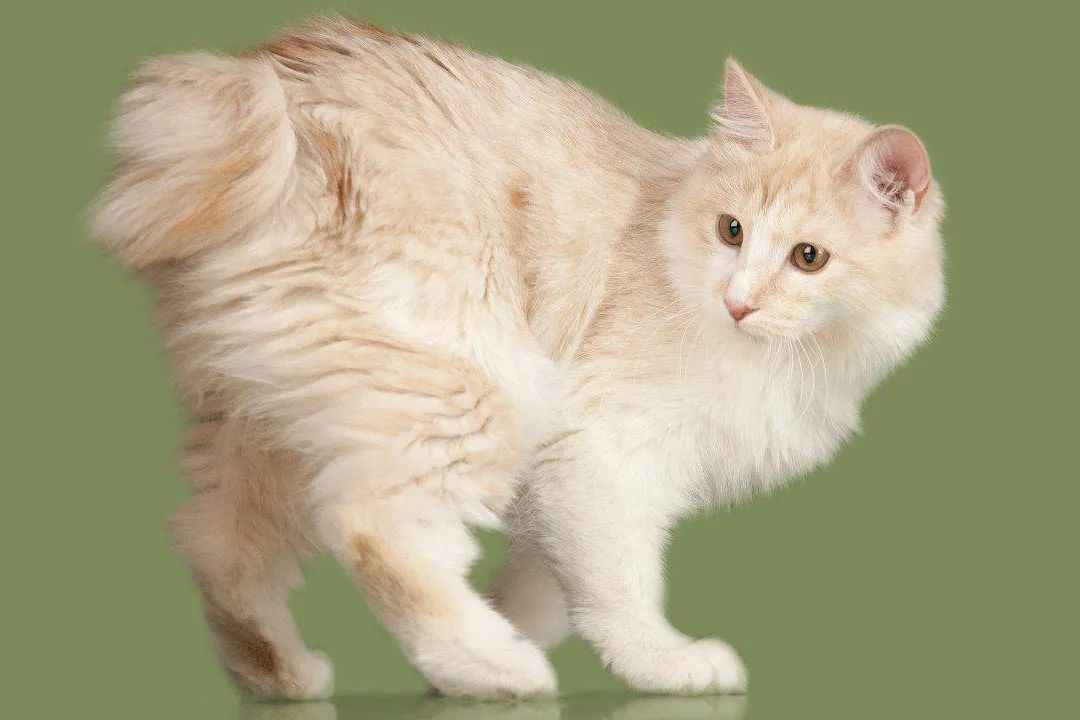
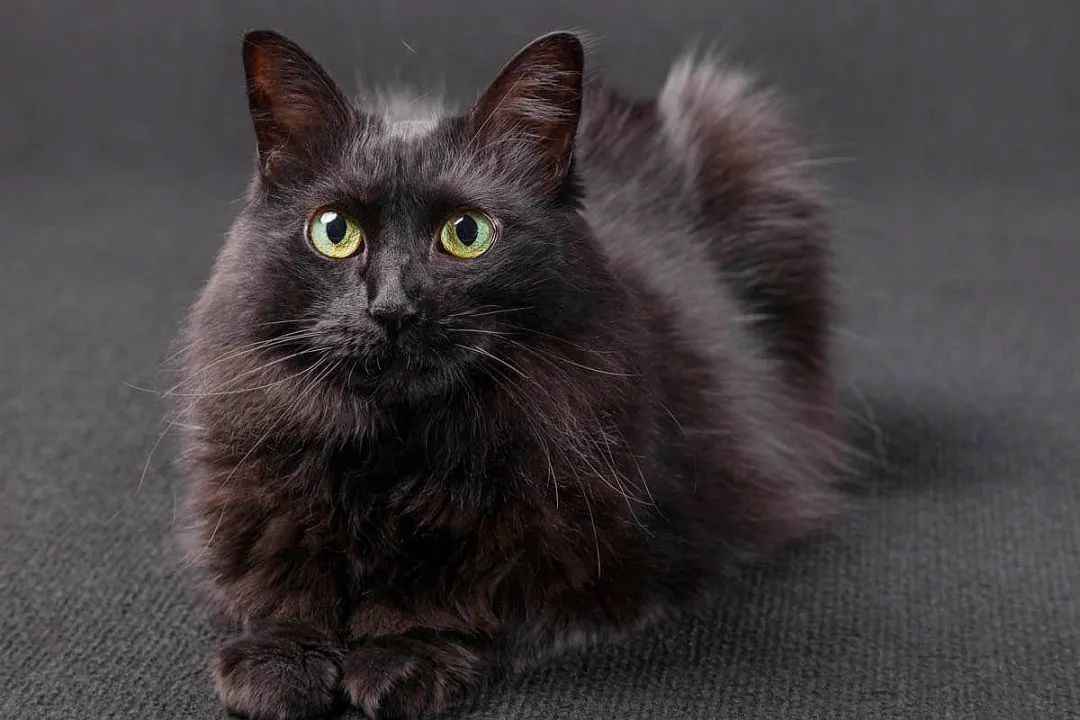
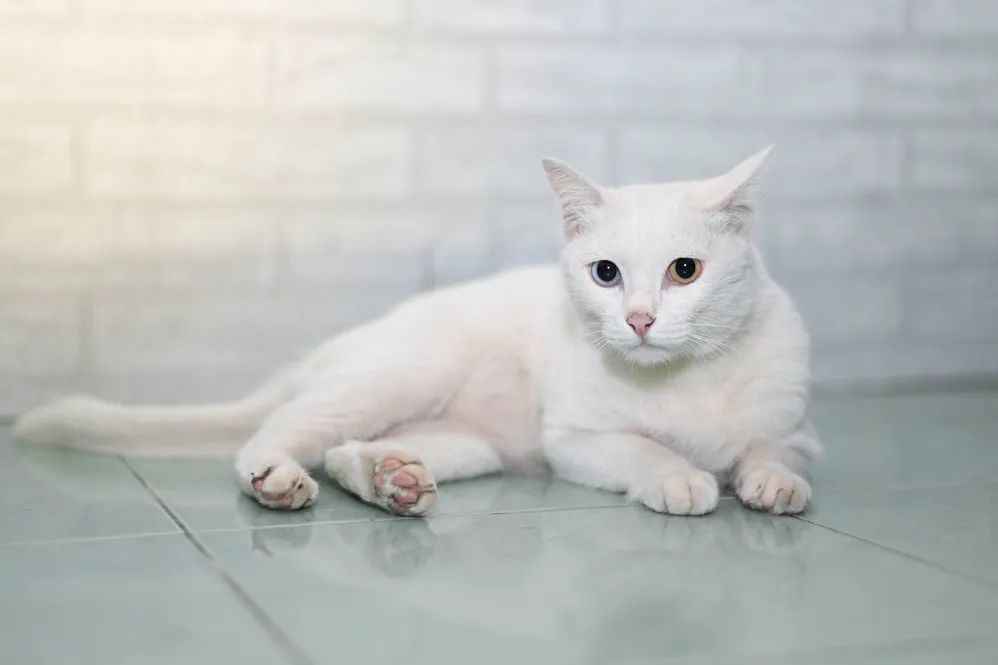
The Turkish Angora’s most defining feature is its luxurious, silky coat, which shimmers with movement and comes in a spectrum of colors—from pure white to tabby, tortoiseshell, and smoke patterns, excluding chocolate, lilac, or pointed markings. Its medium-sized, muscular body is complemented by long limbs and a plumed tail, while large, erect ears and almond-shaped eyes (often heterochromatic) add an otherworldly charm. Despite their delicate appearance, these cats are agile climbers, often found perching atop high surfaces—a trait humorously noted by breeders: “If you can’t find your Turk, look up!”.

Personality and Bonding

Known for their intelligence and curiosity, Turkish Angoras are affectionate companions that thrive on human interaction. They form deep bonds with their owners, often shadowing them throughout the day and “helping” with tasks. Playful and energetic, they mimic dog-like loyalty, greeting family members at the door and engaging in interactive games. Their adaptability makes them ideal for households with children or other pets, though they may favor one person as their primary confidant.

Health and Conservation

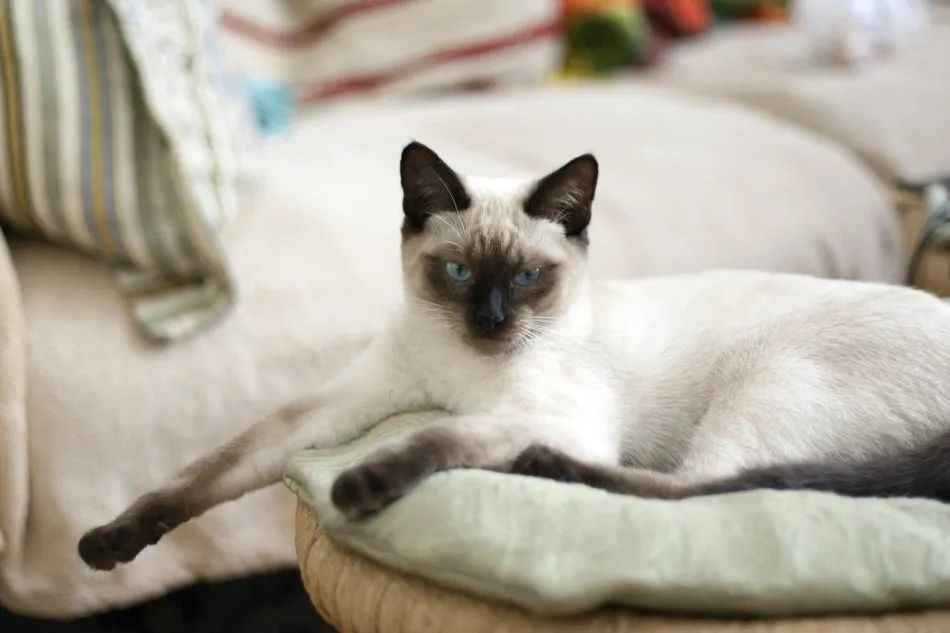
While generally robust, white Turkish Angoras with blue eyes face a higher risk of congenital deafness due to genetic factors. Responsible breeders now prioritize hearing tests and outbreeding to reduce this risk. Additionally, the breed may be prone to hypertrophic cardiomyopathy and congenital ataxia, necessitating regular veterinary check-ups.
 

Source: Images from the Internet, if there is any infringement, please contact the removal of


In Turkey, conservation efforts have intensified, with the Angora Cat Protection Center in Ankara breeding over 600 kittens since 2017 and microchipping them to ensure traceability. Export restrictions and public awareness campaigns aim to safeguard the breed’s future while promoting its adoption domestically.

A Cultural Icon

Throughout history, Turkish Angoras have been symbols of prestige, gracing the courts of Ottoman sultans and European nobility, including Marie Antoinette. In Turkish folklore, they are linked to goddesses like Cybele, embodying grace and protection. Today, their image adorns art and luxury branding, reflecting their enduring association with elegance and sophistication.


From ancient Anatolia to modern homes, the Turkish Angora remains a testament to the harmony of beauty and resilience. With its captivating gaze and spirited personality, this feline royalty continues to enchant as both a living legacy and a cherished companion.
Latest Stories
Travel News2 minute readNestled in the French Pre-Alps, the Plateau du Vercors stands as a testament to nature’s raw power and humanity’s indomitable spirit. Rising abruptly from the valleys of Isère, this limestone plateau—dominated by peaks like Grand Veymont (2,346 meters)—features sheer cliffs and labyrinthine gorges that earned it the nickname "the Natural Great Wall". Its dramatic landscapes, shaped over millennia by erosion, have not only sculpted a geological marvel but also forged a theater of historical significance.
Cultural News1 minute readSpain’s tomato-throwing "La Tomatina" is wildly popular, but for those who prefer hurling something tangier, head to Italy in February. At the Ivrea Carnival, thousands of ripe oranges are pelted in a juicy battle during the festival’s highlight.
Cultural News1 minute readIn Wuppertal, Germany, there’s a pedestrian bridge that looks like it’s built from giant Lego bricks. Though it’s actually a concrete structure, artists have painted it to mimic the iconic toy blocks, creating a playful optical illusion.
Feline News2 minute readThe European Burmese cat, a breed born from careful crossbreeding in mid-20th century Europe, has captivated cat enthusiasts with its elegant physique and affectionate nature. Originating from the American Burmese stock imported to the UK, European breeders sought to diversify the gene pool by introducing Siamese and British Shorthair bloodlines, resulting in a distinct feline with refined features. Recognized by major associations like the CFA since 2002, this breed stands out for its sleek, muscular build and striking golden or amber almond-shaped eyes, which contrast sharply with the rounde
Feline News2 minute readIn recent years, the Scottish Fold cat has become an internet sensation, celebrated for its distinctive folded ears and owl-like appearance. However, behind the adorable facade lies a dark reality rooted in genetic abnormality and ethical debate. This breed, born from a spontaneous mutation in a Scottish barn cat named Susie in 1961, has sparked global controversy over its health implications and breeding practices.
Feline News1 minute readOriginating from a spontaneous genetic mutation in 1950, the Cornish Rex emerged in Cornwall, England, when a cream-colored kitten named Kallibunker was born with a dense, wavy coat resembling a lamb’s fleece1. Recognizing its uniqueness, owner Nina Ennismore collaborated with geneticists to establish the breed. Due to the recessive nature of the mutation, breeding two Cornish Rex cats guarantees curly-coated offspring13.
Health News1 minute readOn June 30, FBI Deputy Director Dan Bongino announced the dismantling of the largest healthcare fraud case in U.S. history, with revised to $14.6 billion. The investigation covered all 50 federal districts, indicting 324 individuals—including 96 medical practitioners—and seizing $245 million in assets.