Microscopic World


1 minute read

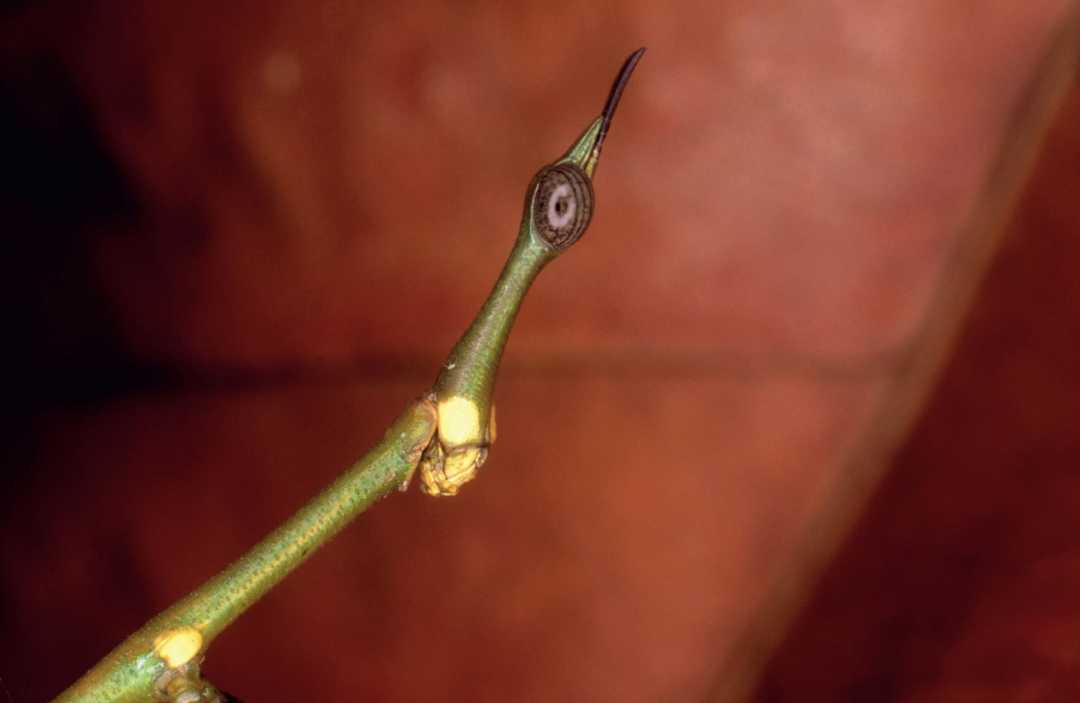
Amazon's Quirky Horsehead Grasshoppers: Proscopiidae Family Thrives in South American Rainforests

The Amazon region of South America serves as a haven for Proscopiidae, commonly known as horsehead grasshoppers. At first glance, these insects bear a striking resemblance to stick insects, with elongated bodies and spindly legs that help them blend into forest foliage. But their most distinctive feature is the bulbous, horse-like shape of their heads, giving them a comical appearance that evokes smiles—some even say their clear, beady eyes and awkward posture resemble beloved childhood classmates.
Amazon's Quirky Horsehead Grasshoppers: Proscopiidae Family Thrives in South American Rainforests
1 minute read

Costa Rica's Slender Weevil: The Three-Cone Beetle with a Remarkable Elongated Snout

In the lush rainforests of Costa Rica, the three-cone weevil (a member of the Brentidae family) stands out with its strikingly slender form, measuring 25 mm in length. Yet its most defining feature is an elongated rostrum— or "snout"—that can grow as long as its body, giving the insect a unique, almost surreal appearance. This remarkable appendage, thin and tapered, sets it apart in the diverse world of beetles.
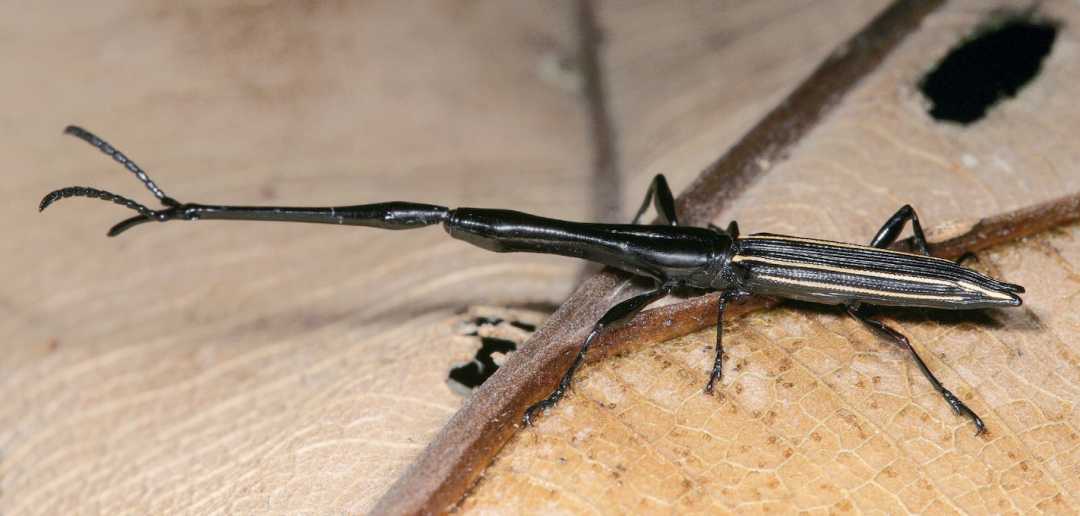
Costa Rica's Slender Weevil: The Three-Cone Beetle with a Remarkable Elongated Snout
1 minute read

Cerapterus laceratus: Mozambique's Beetle Tricks Ants with Pheromone Mimicry and Scalding Defense

The adult and larval stages of Cerapterus laceratus, a rove beetle from Mozambique, have evolved a dual defense strategy that combines chemical trickery and fiery retaliation. By secreting compounds that mimic ant pheromones, these insects gain seamless integration into ant colonies, where they move freely without triggering aggression. This deceptive adaptation allows them to exploit ant resources while avoiding predation—a biological ruse rare in the insect world.
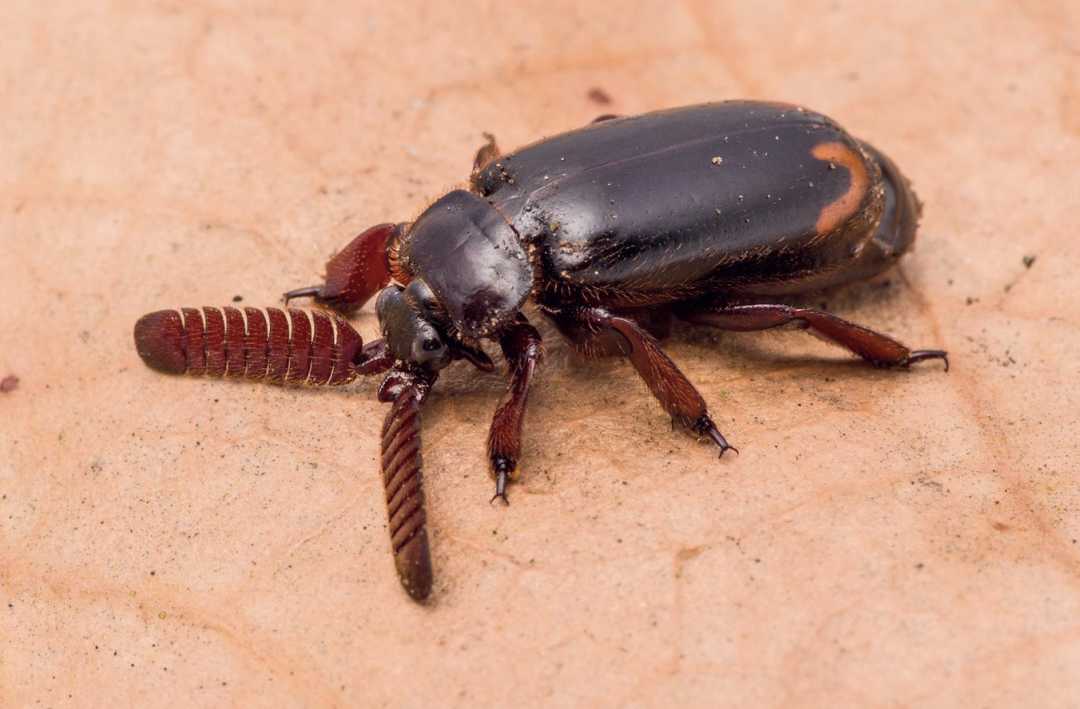
Cerapterus laceratus: Mozambique's Beetle Tricks Ants with Pheromone Mimicry and Scalding Defense
1 minute read

Motuweta isolata: New Zealand's Fanged Giant Weta Fights with Elaborate Tusks

Endemic to New Zealand’s Mercury Islands, the Motuweta isolata, a species of giant weta, lives up to its name with a rugged, imposing appearance. The most striking feature of the male is its elongated, curved tusks—resembling miniature fangs—that evolved for ritualized combat rather than predation. Far from conventionally beautiful, its robust exoskeleton and bulky form reflect a life shaped by survival in the harsh island environment.
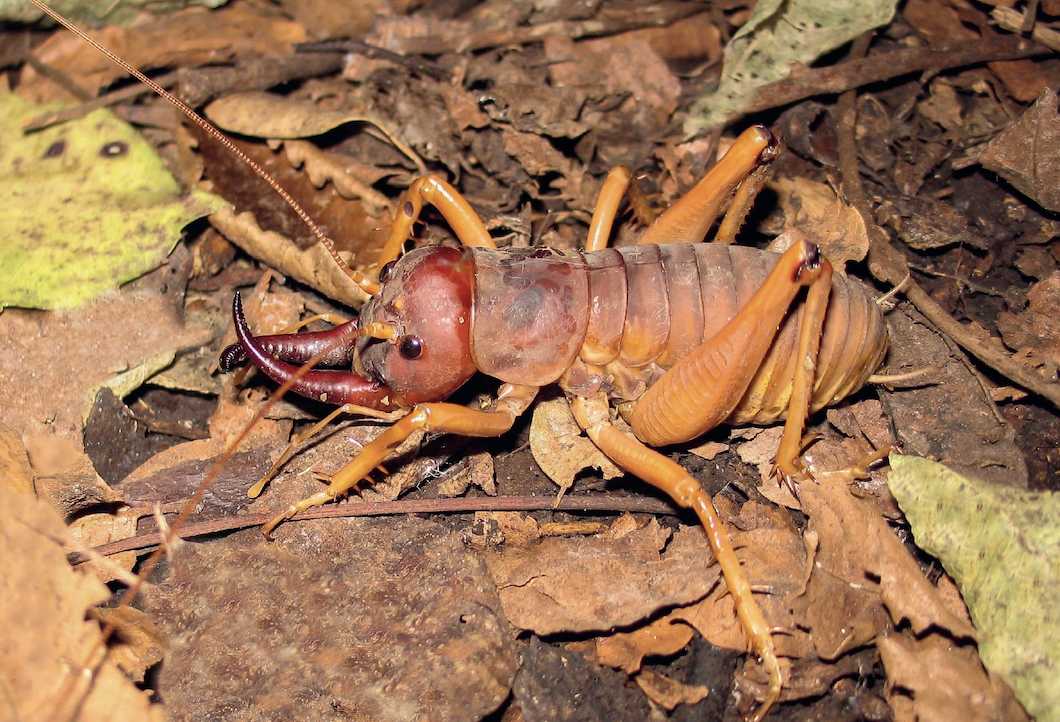
Motuweta isolata: New Zealand's Fanged Giant Weta Fights with Elaborate Tusks
1 minute read

Spiky Larva of the False Ladybug Family Feeds on Fungi in Madagascar's Rainforests

In the lush rainforests of Madagascar, a larva covered in stiff, protruding spines catches the eye. Belonging to the false ladybug family (Endomychidae), this intriguing insect sports an armor of sharp projections, a striking adaptation that sets it apart in the tropical undergrowth. Far from its adult form’s resemblance to ladybugs, the larva’s spiky exterior serves both as protection and a unique identifier in the fungal-rich ecosystem.
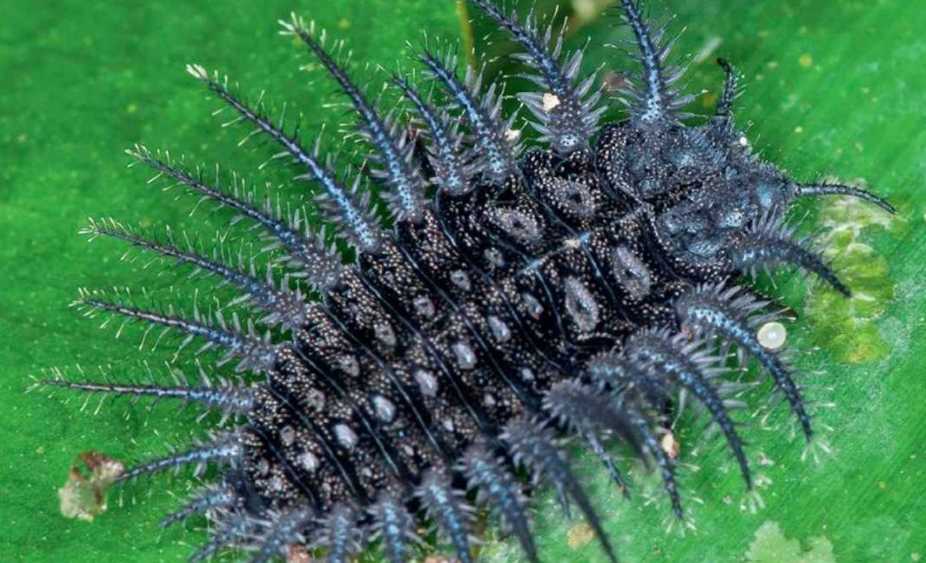
Spiky Larva of the False Ladybug Family Feeds on Fungi in Madagascar's Rainforests
1 minute read

Acauloplax exigua: Mozambique's Leaf-Mimicking Katydid Blends Seamlessly with Foliage

Among the many insects that mimic leaves, the Mozambican katydid Acauloplax exigua stands out for its evolutionary mastery of camouflage. This tree-dwelling orthopteran boasts a flattened body so perfectly adapted to leaf mimicry that it vanishes against greenery, its veins and coloration mirroring the texture and hue of tropical foliage. The result is a living illusion—an insect that becomes one with its habitat at a glance.
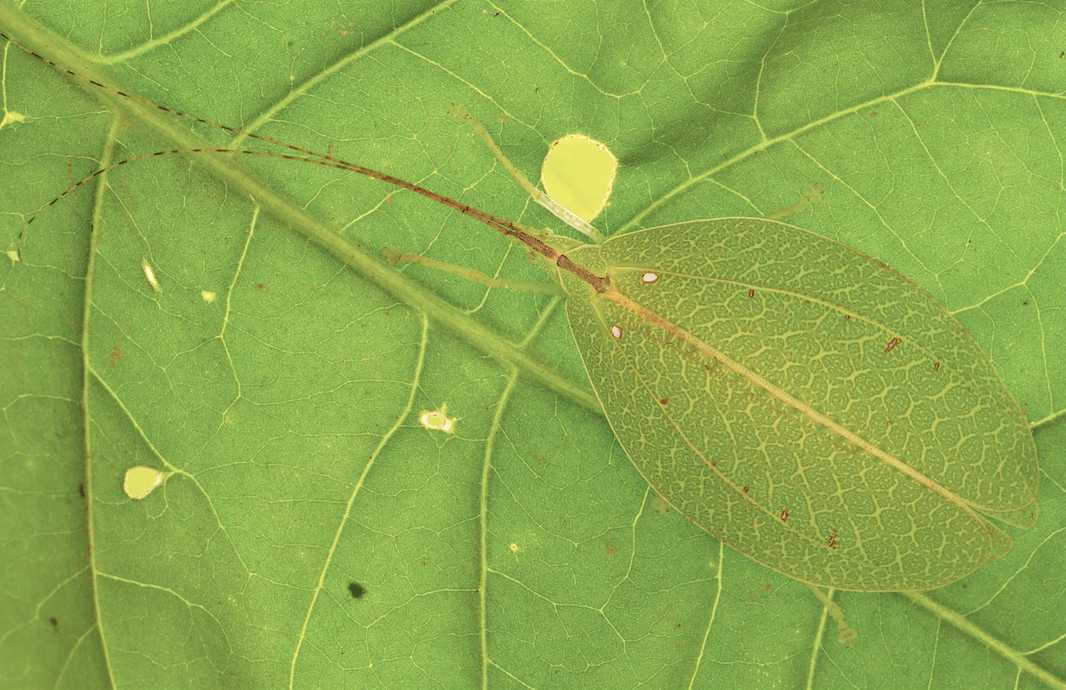
Acauloplax exigua: Mozambique's Leaf-Mimicking Katydid Blends Seamlessly with Foliage
1 minute read

Catacanthus incarnatus: The Mesmerizing 'Human-Faced' Bug with Dazzling Patterns

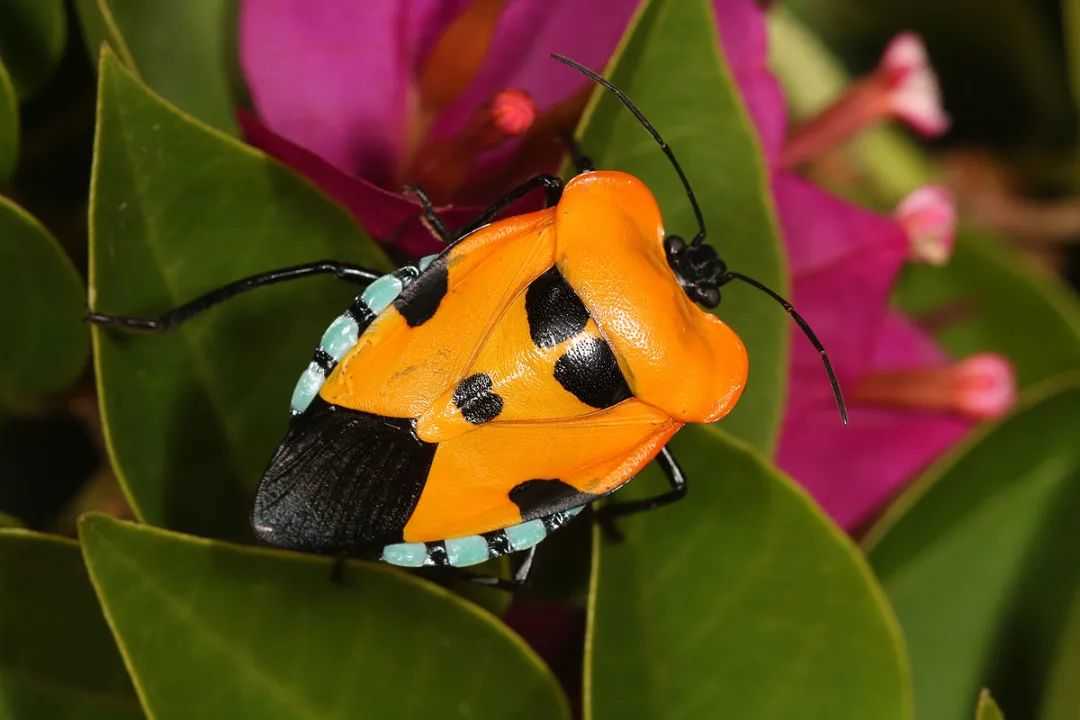
Among stink bugs, Catacanthus incarnatus stands alone with its striking markings and uncanny mimicry of a human face. The insect’s thorax and abdomen feature a pattern resembling eyes, a nose, a mouth, and even a defined hairline, creating a surreal illusion that captivates and startles in equal measure. Its vivid red and black coloration only amplifies the effect, making it one of nature’s most extraordinary examples of mimicry.
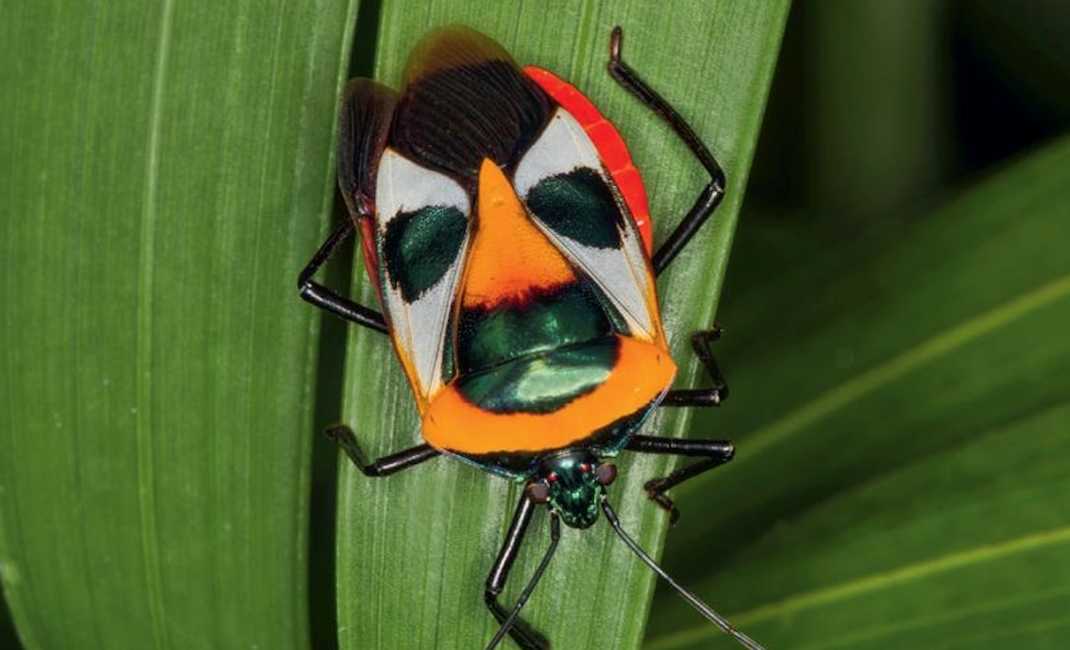
Catacanthus incarnatus: The Mesmerizing 'Human-Faced' Bug with Dazzling Patterns

Latest Stories
Travel News1 minute readA climate specialist stated that the May just concluded ranks as the second warmest May globally since meteorological record-keeping began. Over the past month, temperatures across Europe surged sharply from below-average levels to fuel one of the continent’s most ferocious heatwaves. This year’s heatwave arrived earlier than any previously documented, shattering dozens of May temperature benchmarks, with France, the United Kingdom, Ireland and Portugal bearing the brunt of the extreme heat.
Feline News1 minute readMinuet cats, also known as Napoleon cats, are a delightful and relatively new feline breed that have been winning the hearts of cat lovers around the world with their adorable appearance and friendly personalities.
Feline News1 minute readThe Balinese cat, also known as the Bali cat or Java cat, is a charming medium - sized long - haired cat. It originated in the United States and is a long - haired mutant of the Siamese cat. It is named the Balinese cat because its movements are 酷似 those of the native Balinese dancers.
Feline News2 minute readThe Exotic Shorthair, often dubbed the "lazy man’s Persian," has solidified its status as one of the most beloved cat breeds globally, blending the elegance of Persians with the low-maintenance charm of American Shorthairs. Developed in the 1960s by American breeders aiming to create a short-haired Persian variant, this breed has since captivated cat lovers with its round face, plush coat, and laid-back demeanor 28.
Travel News2 minute readNestled along the cliffs of the French Riviera (Côte d'Azur), the Trois Corniches de Nice—three coastal roads ascending from sea level to mountain heights—offer some of Europe’s most dramatic views. Stretching eastward from Nice, the Lower Corniche (Corniche Inférieure), Middle Corniche (Moyenne Corniche), and Upper Corniche (Grande Corniche) each provide a unique perspective of the Mediterranean, making them a pilgrimage for road-trippers and photographers alike.
Travel News2 minute readThe soul of Colmar lies in its half-timbered houses, dating back to the 16th century. These whimsical structures feature exposed wooden frames in geometric patterns, their facades painted in vibrant hues like buttercup yellow and sky blue. Flower-boxed windows and playful figurines adorn the facades, while their reflections dance on the Lauch River, creating the iconic Petite Venise (Little Venice) district. Here, fishermen pilot flower-decked boats, and riverside bistros serve Alsatian specialties like choucroute garnie, evoking scenes from Hayao Miyazaki’s Howl’s Moving Castle.
Feline News2 minute readThe Oriental Longhair, a breed celebrated for its elegance and intelligence, traces its roots to mid-20th-century breeding programs aimed at expanding the color and pattern diversity of Siamese cats . Developed through crosses with breeds like Russian Blues and British Shorthairs, these cats gained recognition in the 1970s and were officially acknowledged by The International Cat Association (TICA) in 1979 and the Cat Fanciers' Association (CFA) in 1995 .