Cod: A Staple of the Seas with a Storied Past


Marine Biology
Cod: A Staple of the Seas with a Storied Past

Cod, scientifically known as Gadus morhua and also commonly referred to as Alaska pollock or walleye pollock, is a species that has long held significance in the world's oceans. Revered for its economic value and ecological role, this fish has been a mainstay in the diets and economies of many coastal communities.


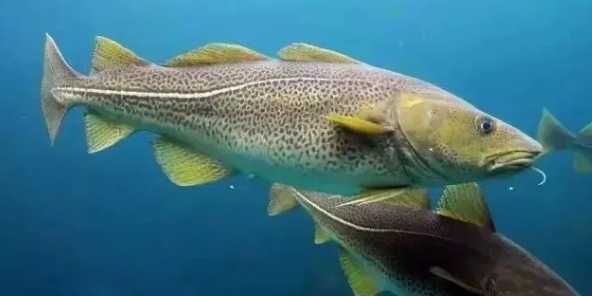
Native to the cold waters of the North Atlantic and North Pacific Oceans, cod features an elongated, streamlined body. It typically grows to a length of around 60-120 centimeters, though larger specimens have been recorded. Its coloration varies, with a dorsal side that can range from greenish - brown to gray, often adorned with darker spots, and a lighter, almost white ventral side. This color pattern provides effective camouflage against the seabed, allowing it to blend in while hunting for prey. Cod is an opportunistic predator, feasting on a diverse diet that includes small fish, crustaceans like shrimp and crabs, and various types of zooplankton.

Cod has played a pivotal role in human history. For centuries, it has been a prime target for commercial fishing, with its firm, mild - flavored flesh making it a popular choice in kitchens worldwide. In regions like the North Atlantic, cod fishing formed the backbone of local economies. However, overfishing in the 20th century led to a drastic decline in cod populations. In 1992, Canada even declared a moratorium on cod fishing off its northeastern Atlantic coast after stocks plummeted, putting thousands out of work. Since then, conservation efforts, such as setting fishing quotas and establishing marine protected areas, have been implemented to help the species recover. Although the road to full recovery is still long, these measures have shown some positive signs, with cod populations slowly starting to rebuild in certain areas. As a species deeply intertwined with both marine ecosystems and human livelihoods, the future of cod remains a subject of great importance and ongoing conservation efforts.
 
 
Latest Stories
Feline News2 minute readThe Oriental Longhair, a breed celebrated for its elegance and intelligence, traces its roots to mid-20th-century breeding programs aimed at expanding the color and pattern diversity of Siamese cats . Developed through crosses with breeds like Russian Blues and British Shorthairs, these cats gained recognition in the 1970s and were officially acknowledged by The International Cat Association (TICA) in 1979 and the Cat Fanciers' Association (CFA) in 1995 .
Feline News2 minute readThe Korat cat, originating from Thailand’s Nakhon Ratchasima province (formerly Korat), is a breed deeply rooted in history and cultural significance. Revered for centuries as a symbol of good luck and prosperity, these silver-blue felines have enchanted the world with their striking appearance and affectionate nature.
Feline News2 minute readA heartwarming tale of survival and companionship has thrust the Munchkin cat into the global spotlight, showcasing the breed’s unique charm and indomitable spirit. Mochi, an 8-month-old Munchkin rescued from a life-threatening illness, has become an international symbol of hope, embodying the resilience and playful nature that define these short-legged felines.
Travel News2 minute readPerched atop an 82-meter volcanic plug in Le Puy-en-Velay, France, the Chapelle Saint-Michel d’Aiguilhe stands as a testament to faith and engineering prowess. Built in 962 AD, this architectural marvel balances precariously on a basaltic rock formation, blending Romanesque austerity with Moorish-inspired ornamentation to create one of Europe’s most dramatic religious landmarks.
Feline News2 minute readRagamuffin cats, affectionately known as "muffins," have captured the hearts of cat lovers worldwide with their plush coats, docile personalities, and striking appearance. Originating in the United States in the 1990s, this breed emerged from a group of breeders seeking to expand the genetic diversity of Ragdoll cats. By crossing Ragdolls with Persians, Himalayans, and other long-haired breeds, they created a larger, more robust feline with a broader range of coat colors and patterns
Canine News2 minute readOriginating in the early 20th century, the American White Shepherd traces its lineage to the German Shepherd. Due to a recessive white coat gene, these dogs were long considered "flawed" in Germany and systematically culled from breeding programs12. However, North American breeders recognized their unique appeal and selectively developed them into a distinct breed, officially acknowledged by the United Kennel Club (UKC) in 199917
Canine News1 minute readAs the world's first operational vertical/short takeoff and landing (V/STOL) fighter jet, the British-developed Harrier, nicknamed the "Jump Jet," has left an indelible mark on aviation history through its groundbreaking design and combat prowess.