On April 7, the French Health Insurance (L’Assurance maladie) announced the cancellation of the health insurance agreements of seven medical centers (centres de santé) in France due to fraud. These medical centers are all from the same network and are distributed in the regions of Bourgogne - Franche - Comté, Grand - Est, Bretagne, Ile - de - France, and Normandie in France.
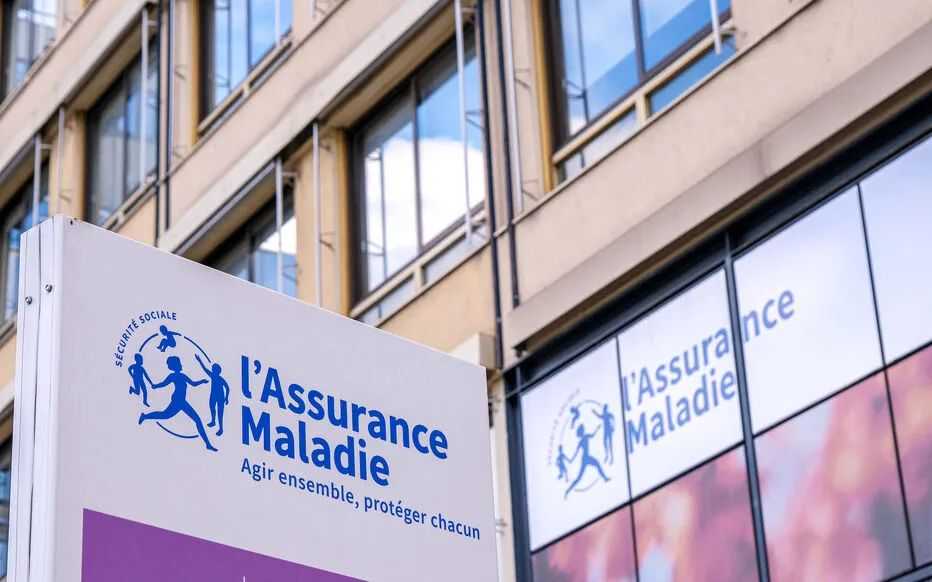
On April 7, the French Health Insurance (L’Assurance maladie) announced the cancellation of the health insurance agreements of seven medical centers (centres de santé) in France due to fraud. These medical centers are all from the same network and are distributed in the regions of Bourgogne - Franche - Comté, Grand - Est, Bretagne, Ile - de - France, and Normandie in France.
In a public announcement, the health insurance agency pointed out that this action was triggered by the "inconsistencies" found in the bills of some medical centers. Subsequently, a national "task force" conducted a comprehensive review of the nine medical centers in the entire network. The investigation results showed that all nine medical centers were involved in fraud, including billing for medical services that were not actually provided, conducting relevant operations without the presence of ophthalmologists or orthoptists, and systematically issuing medical service bills according to instructions regardless of the actual health conditions of patients. These fraudulent acts have caused losses of over 6.6 million euros to the health insurance agency. Among them, one medical center closed itself after being reviewed by the health insurance agency, and another one had its operating license revoked by the Grand - Est Regional Health Agency (Agence régionale de santé Grand - Est), leading to its permanent closure.
This investigation was carried out in close cooperation between the French National Health Insurance Institution (Caisse nationale d’assurance maladie), the gendarmerie, and its Central Office for the Fight against Illegal Work (Office central de lutte contre le travail illégal, OCLTI). Since 2023, the French health insurance agency has cancelled the health insurance agreements of 52 medical centers, involving fraud of approximately 90 million euros. Since the implementation of the 100% health reform and full - third - party payment during President Macron's first term in office, some unethical medical centers have taken the opportunity to engage in large - scale fraud. Patients do not need to pay any fees, so they often do not check the medical service bills issued to the health insurance agency in their names. The French health insurance agency stated that in 2024, the total amount of fraud detected and prevented by it reached 628 million euros, covering all types of fraud, which is more than double that of five years ago. This increase not only reflects the strengthening of the anti - fraud efforts of the health insurance agency but also indicates that the industrialization trend of fraud is becoming more and more obvious.
In a public announcement, the health insurance agency pointed out that this action was triggered by the "inconsistencies" found in the bills of some medical centers. Subsequently, a national "task force" conducted a comprehensive review of the nine medical centers in the entire network. The investigation results showed that all nine medical centers were involved in fraud, including billing for medical services that were not actually provided, conducting relevant operations without the presence of ophthalmologists or orthoptists, and systematically issuing medical service bills according to instructions regardless of the actual health conditions of patients. These fraudulent acts have caused losses of over 6.6 million euros to the health insurance agency. Among them, one medical center closed itself after being reviewed by the health insurance agency, and another one had its operating license revoked by the Grand - Est Regional Health Agency (Agence régionale de santé Grand - Est), leading to its permanent closure.
This investigation was carried out in close cooperation between the French National Health Insurance Institution (Caisse nationale d’assurance maladie), the gendarmerie, and its Central Office for the Fight against Illegal Work (Office central de lutte contre le travail illégal, OCLTI). Since 2023, the French health insurance agency has cancelled the health insurance agreements of 52 medical centers, involving fraud of approximately 90 million euros. Since the implementation of the 100% health reform and full - third - party payment during President Macron's first term in office, some unethical medical centers have taken the opportunity to engage in large - scale fraud. Patients do not need to pay any fees, so they often do not check the medical service bills issued to the health insurance agency in their names. The French health insurance agency stated that in 2024, the total amount of fraud detected and prevented by it reached 628 million euros, covering all types of fraud, which is more than double that of five years ago. This increase not only reflects the strengthening of the anti - fraud efforts of the health insurance agency but also indicates that the industrialization trend of fraud is becoming more and more obvious.