Japan's Orchid Wonderland: A Blend of Natural Splendor and Cultural Significance


Plant Information
Japan's Orchid Wonderland: A Blend of Natural Splendor and Cultural Significance

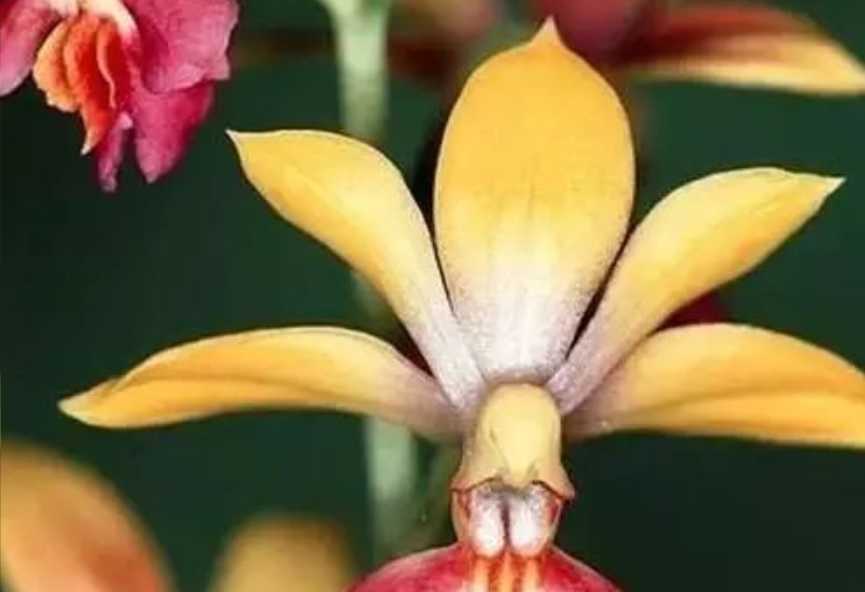
In the world of horticulture, Japanese orchids stand out as a group of plants that are both botanically fascinating and culturally rich. Japan, with its diverse landscapes ranging from mountainous regions to coastal areas, provides a suitable habitat for a variety of orchid species, both native and cultivated.


Native Orchids: Treasures of the Archipelago

One iconic native species is Neofinetia falcata, cherished for its delicate, fragrant blooms. Known as "Fuuki ran" in Japanese horticulture, this orchid has a 300 - year history, once coveted by feudal lords who presented wild specimens to the shogun as political gifts. Today, it thrives in cultivation across Japan, Korea, and China, admired for its arching stems and white flowers with purple veins.


Another gem is Cymbidium goeringii ("Shunran"), a dwarf orchid native to Japan, Korea, and China. Renowned for its diverse flower forms—ranging from pristine whites to vibrant purples—and variegated leaves, Shunran has hundreds of cultivars, from well - known varieties to rare, obscure forms. In contrast, the winter - blooming Cymbidium kanran ("Kanran") towers at up to a meter tall, its spidery flowers in muted hues bringing elegance to the cold season.

Cultural Significance: Orchids in Japanese Life

In Japanese culture, orchids ("ran") symbolize elegance and resilience. The character  has adorned art, literature, and even samurai armor, representing courage and refinement. Orchids feature prominently in ikebana arrangements, bonsai collections, and ukiyo - e woodblock prints, where their enduring beauty is celebrated. Different species carry distinct meanings: Phalaenopsis (moth orchids) signify longevity, while Paphiopedilum (lady’s slippers) symbolize protection. Cymbidiums are emblems of friendship and respect.

Modern Horticulture and Scientific Discoveries

Japan’s orchid exhibitions are spectacular affairs. The 2023 "World Orchid Exhibition" in Tokyo featured a "Gate of Orchids" with 100,000 PhalaenopsisOncidium, and Cymbidium blooms, alongside the immersive "Valley of Orchids" and the new "Forest of Orchids" showcasing epiphytes. A highlight was Paphiopedilum 'Emerald Future "Green Monster," which won the top prize for its large, translucent yellow - green flowers.


Scientifically, Japan continues to contribute to orchidology. Researchers recently identified Spiranthes hachijoensis ("Hachijō Lady’s Tresses"), a new species from Hachijō Island, with glassy pink - white flowers that enrich the nation’s orchid legacy. As guardians of these botanical treasures, Japan balances tradition and innovation, ensuring orchids remain living symbols of natural and cultural excellence.

Latest Stories
Feline News2 minute readThe Oriental Longhair, a breed celebrated for its elegance and intelligence, traces its roots to mid-20th-century breeding programs aimed at expanding the color and pattern diversity of Siamese cats . Developed through crosses with breeds like Russian Blues and British Shorthairs, these cats gained recognition in the 1970s and were officially acknowledged by The International Cat Association (TICA) in 1979 and the Cat Fanciers' Association (CFA) in 1995 .
Feline News2 minute readThe Korat cat, originating from Thailand’s Nakhon Ratchasima province (formerly Korat), is a breed deeply rooted in history and cultural significance. Revered for centuries as a symbol of good luck and prosperity, these silver-blue felines have enchanted the world with their striking appearance and affectionate nature.
Feline News2 minute readA heartwarming tale of survival and companionship has thrust the Munchkin cat into the global spotlight, showcasing the breed’s unique charm and indomitable spirit. Mochi, an 8-month-old Munchkin rescued from a life-threatening illness, has become an international symbol of hope, embodying the resilience and playful nature that define these short-legged felines.
Travel News2 minute readPerched atop an 82-meter volcanic plug in Le Puy-en-Velay, France, the Chapelle Saint-Michel d’Aiguilhe stands as a testament to faith and engineering prowess. Built in 962 AD, this architectural marvel balances precariously on a basaltic rock formation, blending Romanesque austerity with Moorish-inspired ornamentation to create one of Europe’s most dramatic religious landmarks.
Feline News2 minute readRagamuffin cats, affectionately known as "muffins," have captured the hearts of cat lovers worldwide with their plush coats, docile personalities, and striking appearance. Originating in the United States in the 1990s, this breed emerged from a group of breeders seeking to expand the genetic diversity of Ragdoll cats. By crossing Ragdolls with Persians, Himalayans, and other long-haired breeds, they created a larger, more robust feline with a broader range of coat colors and patterns
Canine News2 minute readOriginating in the early 20th century, the American White Shepherd traces its lineage to the German Shepherd. Due to a recessive white coat gene, these dogs were long considered "flawed" in Germany and systematically culled from breeding programs12. However, North American breeders recognized their unique appeal and selectively developed them into a distinct breed, officially acknowledged by the United Kennel Club (UKC) in 199917
Canine News1 minute readAs the world's first operational vertical/short takeoff and landing (V/STOL) fighter jet, the British-developed Harrier, nicknamed the "Jump Jet," has left an indelible mark on aviation history through its groundbreaking design and combat prowess.