Lancashire Heeler: The Resilient Herding Dog with a Storied Past


Canine News
Lancashire Heeler: The Resilient Herding Dog with a Storied Past

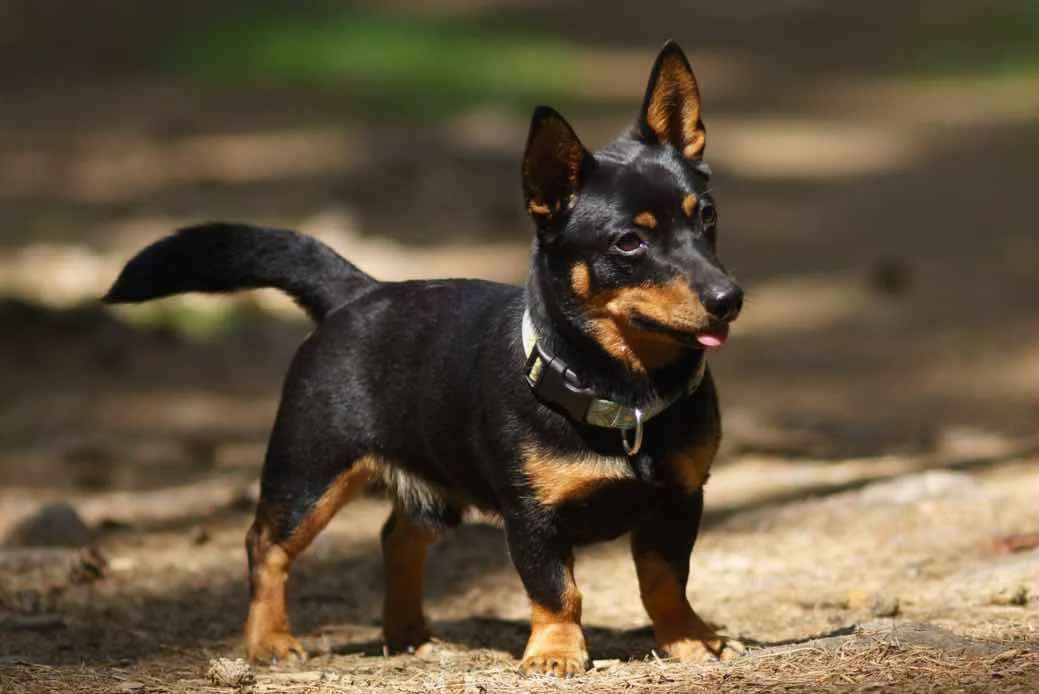
The Lancashire Heeler, a diminutive yet spirited breed hailing from England’s Lancashire region, has gained international attention since its 2024 recognition by the American Kennel Club (AKC) as the 201st official breed 45. Revered for its agility and intelligence, this "smallest drover in the world" has evolved from a versatile farmhand to a cherished companion, captivating dog enthusiasts with its unique blend of history and charm.


Origins and Historical Significance

Dating back to the 18th century, the Lancashire Heeler’s lineage remains a subject of intrigue. Widely believed to descend from Welsh Corgis and Manchester Terriers—with possible Dachshund influences—the breed emerged to meet the demands of Lancashire’s agricultural landscape 13. Two distinct types emerged: the Butcher’s Heeler, tasked with driving cattle to slaughterhouses by nipping at their heels, and the larger Ormskirk Heeler, which guarded farms and herded livestock 112. By the 20th century, their roles shifted toward companionship, though their herding instincts remain deeply ingrained.

Physical and Temperamental Traits

Standing at 10–12 inches tall and weighing 11–17 pounds, the Lancashire Heeler boasts a compact, muscular build with short legs and a weather-resistant coat in black-and-tan or liver-and-tan hues 24. Their upright ears and expressive eyes exude alertness, while their "heeler smile"—a distinctive lip-curling expression when content—adds to their charm 26.


Known for their boundless energy and intelligence, these dogs thrive on mental and physical stimulation. They are fiercely loyal, often forming strong bonds with one family member while remaining affectionate toward others 48. However, their herding heritage means they may nip at heels if bored, necessitating early training and socialization 611.

Health and Care

With a lifespan of 12–15 years, Lancashire Heelers are generally robust but prone to genetic health issues like primary lens luxation (PLL), Collie eye anomaly (CEA), and patellar luxation 67. Responsible breeders prioritize health screenings, including DNA tests for PLL and CEA, to ensure sound genetics 8. Grooming is minimal, requiring occasional brushing to manage shedding, while daily walks and interactive games keep them mentally sharp 611.

Modern-Day Relevance

Despite its endangered status in the UK, the Lancashire Heeler’s popularity is rising in the US, with an estimated 400 individuals nationwide as of 2024 49. AKC recognition has opened doors to competitive events like agility, obedience, and herding trials, showcasing their versatility 45. Breed advocates emphasize their adaptability to city living, provided they receive ample exercise and companionship 211.


As the Lancashire Heeler steps into the spotlight, its journey from rural farms to global recognition highlights the enduring legacy of working dog breeds. Whether herding livestock or curling up with their favorite human, these pint-sized dynamos continue to prove that size is no barrier to heart and hustle.
Latest Stories
Travel News2 minute readNestled in the French Pre-Alps, the Plateau du Vercors stands as a testament to nature’s raw power and humanity’s indomitable spirit. Rising abruptly from the valleys of Isère, this limestone plateau—dominated by peaks like Grand Veymont (2,346 meters)—features sheer cliffs and labyrinthine gorges that earned it the nickname "the Natural Great Wall". Its dramatic landscapes, shaped over millennia by erosion, have not only sculpted a geological marvel but also forged a theater of historical significance.
Cultural News1 minute readSpain’s tomato-throwing "La Tomatina" is wildly popular, but for those who prefer hurling something tangier, head to Italy in February. At the Ivrea Carnival, thousands of ripe oranges are pelted in a juicy battle during the festival’s highlight.
Cultural News1 minute readIn Wuppertal, Germany, there’s a pedestrian bridge that looks like it’s built from giant Lego bricks. Though it’s actually a concrete structure, artists have painted it to mimic the iconic toy blocks, creating a playful optical illusion.
Feline News2 minute readThe European Burmese cat, a breed born from careful crossbreeding in mid-20th century Europe, has captivated cat enthusiasts with its elegant physique and affectionate nature. Originating from the American Burmese stock imported to the UK, European breeders sought to diversify the gene pool by introducing Siamese and British Shorthair bloodlines, resulting in a distinct feline with refined features. Recognized by major associations like the CFA since 2002, this breed stands out for its sleek, muscular build and striking golden or amber almond-shaped eyes, which contrast sharply with the rounde
Feline News2 minute readIn recent years, the Scottish Fold cat has become an internet sensation, celebrated for its distinctive folded ears and owl-like appearance. However, behind the adorable facade lies a dark reality rooted in genetic abnormality and ethical debate. This breed, born from a spontaneous mutation in a Scottish barn cat named Susie in 1961, has sparked global controversy over its health implications and breeding practices.
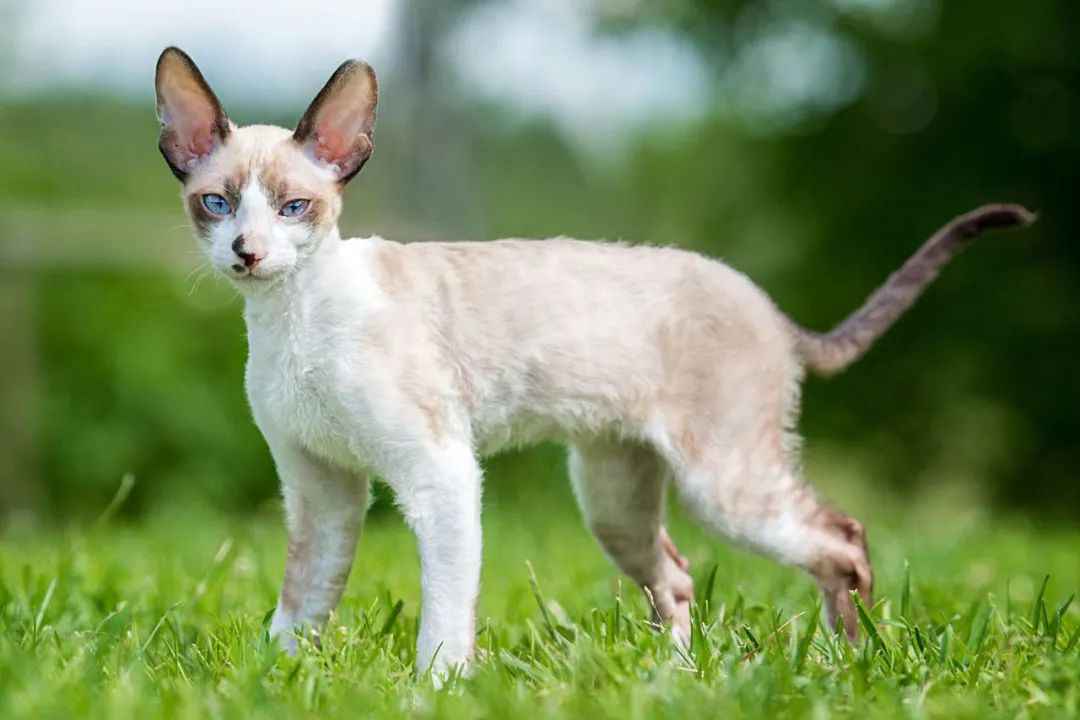
Feline News1 minute readOriginating from a spontaneous genetic mutation in 1950, the Cornish Rex emerged in Cornwall, England, when a cream-colored kitten named Kallibunker was born with a dense, wavy coat resembling a lamb’s fleece1. Recognizing its uniqueness, owner Nina Ennismore collaborated with geneticists to establish the breed. Due to the recessive nature of the mutation, breeding two Cornish Rex cats guarantees curly-coated offspring13.
Health News1 minute readOn June 30, FBI Deputy Director Dan Bongino announced the dismantling of the largest healthcare fraud case in U.S. history, with revised to $14.6 billion. The investigation covered all 50 federal districts, indicting 324 individuals—including 96 medical practitioners—and seizing $245 million in assets.