Lyon’s Architectural Masterpiece: Musée des Confluences Redefines Cultural Experience


Travel News
Lyon’s Architectural Masterpiece: Musée des Confluences Redefines Cultural Experience

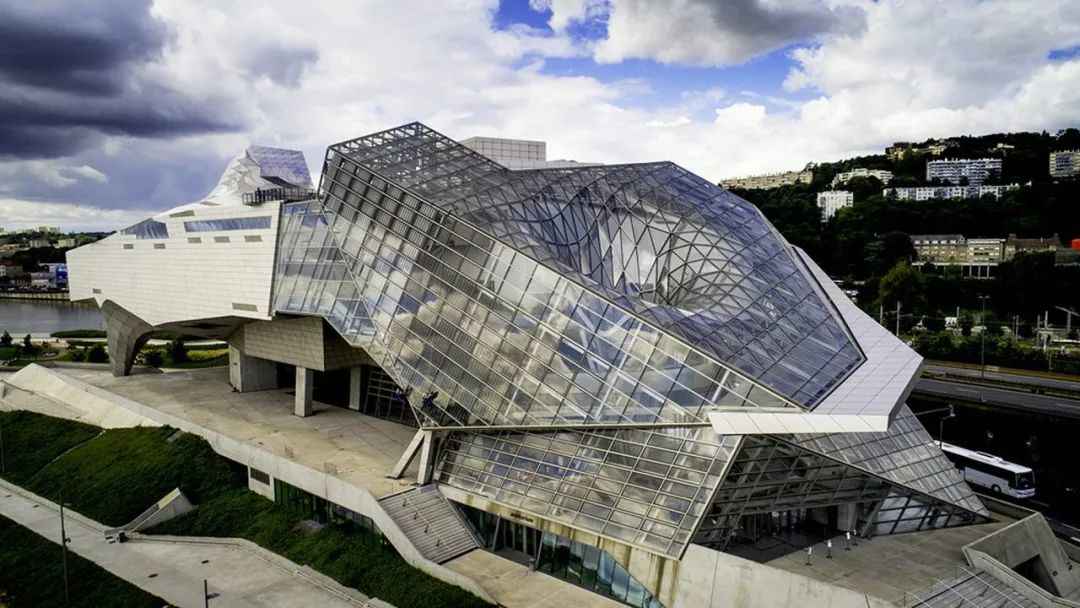
Perched at the meeting point of the Rhône and Saône rivers in Lyon, France, the Musée des Confluences stands as a beacon of innovative design and interdisciplinary storytelling. Crafted by Austrian architects COOP HIMMELB(L)AU and inaugurated in December 2014, this landmark institution has reshaped Lyon’s cultural landscape, merging avant-garde architecture with profound explorations of humanity’s place in nature and history.

Perched at the meeting point of the Rhône and Saône rivers in Lyon, France, the Musée des Confluences stands as a beacon of innovative design and interdisciplinary storytelling. Crafted by Austrian architects COOP HIMMELB(L)AU and inaugurated in December 2014, this landmark institution has reshaped Lyon’s cultural landscape, merging avant-garde architecture with profound explorations of humanity’s place in nature and history.

A Visionary Architectural Statement

The museum’s design embodies its namesake, Confluences, through three distinct components: a concrete base, a 41-meter glass "Crystal" (Le Cristal), and a floating steel "Cloud" (Le Nuage) . The Crystal, with its floor-to-ceiling windows, serves as a welcoming public atrium, while the Cloud houses the museum’s core exhibitions. This architectural tour de force blurs boundaries between indoors and outdoors, allowing free access to its open spaces and symbolizing the fluid exchange of ideas .

Exhibitions that Ignite Curiosity

The museum’s permanent galleries—OriginsSpeciesSocieties, and Eternities—span topics from the origins of life to the evolution of human societies. Highlights include fossilized remains from Lyon’s Cerin site, a menagerie of taxidermied animals, and anthropological treasures like ancient Egyptian mummies and Inuit artifacts . Temporary exhibitions, such as Amazones (April 18, 2025–Feb 8, 2026), delve into timely themes, combining scientific rigor with artistic creativity .

A Living Cultural Hub

Beyond its exhibits, the museum thrives as a community space. Outdoor promenades link to the Parc de la Tête d’Or, while events like the monthly "Nocturnes" (e.g., Nocturne des Déserts on April 3, 2025) offer after-hours access with performances and talks . Its hybrid role as both museum and public forum reflects its mission to democratize knowledge.

Visit Details

  • Address: 86 Quai Perrache, 69002 Lyon, France
  • Hours: Tuesday–Sunday, 10:30 AM–6:30 PM (Thursdays until 10 PM) .
  • Admission: €9 (adults), €5 (18–25 years), free for under 18s and students .
  • Transport: Tram T1 (Musée des Confluences stop) or river cruises from Quais des Célestins .


The Musée des Confluences is more than a museum—it’s a cultural phenomenon. By harmonizing architecture, science, and art, it challenges visitors to reflect on the world’s interconnectedness, solidifying its  as a must-visit destination in Europe.
Latest Stories
Travel News2 minute readNestled in the French Pre-Alps, the Plateau du Vercors stands as a testament to nature’s raw power and humanity’s indomitable spirit. Rising abruptly from the valleys of Isère, this limestone plateau—dominated by peaks like Grand Veymont (2,346 meters)—features sheer cliffs and labyrinthine gorges that earned it the nickname "the Natural Great Wall". Its dramatic landscapes, shaped over millennia by erosion, have not only sculpted a geological marvel but also forged a theater of historical significance.
Cultural News1 minute readSpain’s tomato-throwing "La Tomatina" is wildly popular, but for those who prefer hurling something tangier, head to Italy in February. At the Ivrea Carnival, thousands of ripe oranges are pelted in a juicy battle during the festival’s highlight.
Cultural News1 minute readIn Wuppertal, Germany, there’s a pedestrian bridge that looks like it’s built from giant Lego bricks. Though it’s actually a concrete structure, artists have painted it to mimic the iconic toy blocks, creating a playful optical illusion.
Feline News2 minute readThe European Burmese cat, a breed born from careful crossbreeding in mid-20th century Europe, has captivated cat enthusiasts with its elegant physique and affectionate nature. Originating from the American Burmese stock imported to the UK, European breeders sought to diversify the gene pool by introducing Siamese and British Shorthair bloodlines, resulting in a distinct feline with refined features. Recognized by major associations like the CFA since 2002, this breed stands out for its sleek, muscular build and striking golden or amber almond-shaped eyes, which contrast sharply with the rounde
Feline News2 minute readIn recent years, the Scottish Fold cat has become an internet sensation, celebrated for its distinctive folded ears and owl-like appearance. However, behind the adorable facade lies a dark reality rooted in genetic abnormality and ethical debate. This breed, born from a spontaneous mutation in a Scottish barn cat named Susie in 1961, has sparked global controversy over its health implications and breeding practices.
Feline News1 minute readOriginating from a spontaneous genetic mutation in 1950, the Cornish Rex emerged in Cornwall, England, when a cream-colored kitten named Kallibunker was born with a dense, wavy coat resembling a lamb’s fleece1. Recognizing its uniqueness, owner Nina Ennismore collaborated with geneticists to establish the breed. Due to the recessive nature of the mutation, breeding two Cornish Rex cats guarantees curly-coated offspring13.
Health News1 minute readOn June 30, FBI Deputy Director Dan Bongino announced the dismantling of the largest healthcare fraud case in U.S. history, with revised to $14.6 billion. The investigation covered all 50 federal districts, indicting 324 individuals—including 96 medical practitioners—and seizing $245 million in assets.