Mysterious Basenji: The Barkless Wonder from Africa


Canine News
Mysterious Basenji: The Barkless Wonder from Africa

The Basenji, often called the "barkless dog," is a breed steeped in ancient history and unique characteristics. Originating from Central Africa, particularly the Congo region, this enigmatic canine has captivated dog lovers for centuries with its silent charm and distinctive traits.

Ancient Origins and Historical Significance

Depictions of Basenjis have been found in African cave paintings dating back to the Stone Age and on Egyptian tombs, suggesting they were revered as hunting companions and even sacred animals1. By the 19th century, villagers in Africa used Basenjis to drive prey into nets, leveraging their agility and keen senses. The breed’s name, meaning "bush thing" or "wild dog," reflects its roots in the African wilderness19.

A Silent Voice with Melodic Tones

While Basenjis are famous for their lack of barking, they are far from mute. Instead, they communicate through a repertoire of sounds, including yodels, growls, and chortles—a trait linked to their vocal cord structure111. This unique "singing" ability, developed for stealthy hunting in dense forests, adds to their mystique.

Physical Grace and Low-Maintenance Care

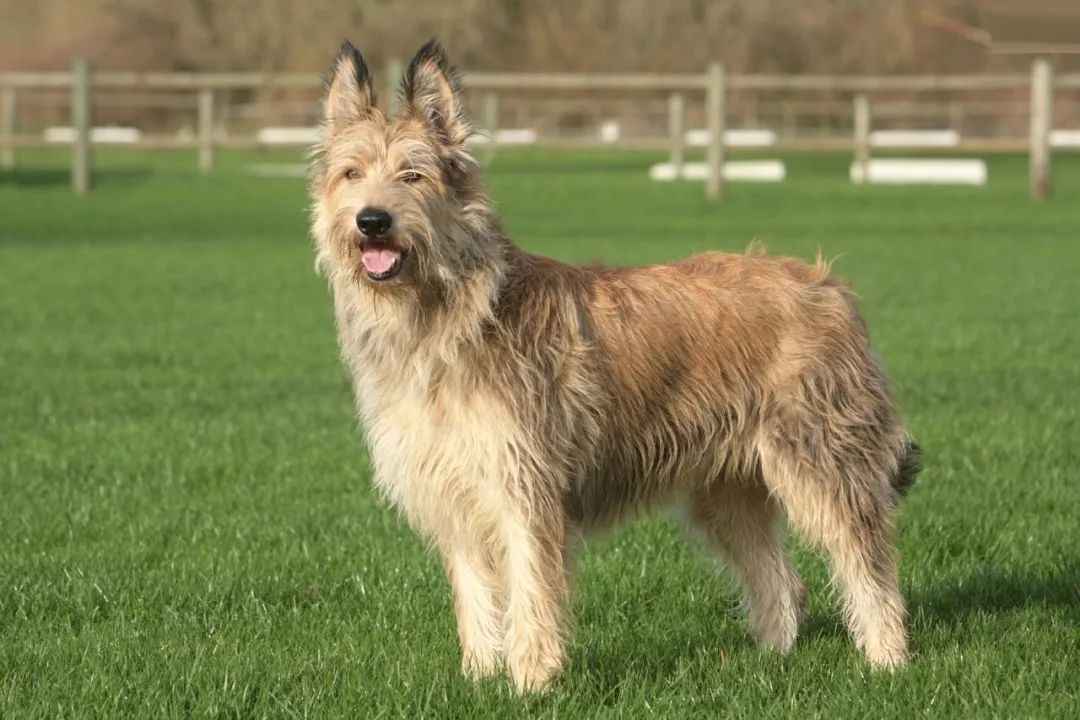
With a sleek, short coat in colors like black-and-white or red-and-white, the Basenji exudes elegance. Standing 16–17 inches tall and weighing 22–24 pounds, they are muscular yet agile59. Unlike many breeds, Basenjis groom themselves like cats, requiring minimal bathing and weekly brushing to maintain their odorless coat15. However, their high prey drive necessitates secure fencing, as they are skilled climbers and escape artists58.

Health and Temperament Challenges

Despite their hardy nature, Basenjis face hereditary health issues, including Fanconi syndrome—a kidney disorder that requires monthly urine glucose testing starting at age three16. Hip dysplasia and progressive retinal atrophy are also concerns, underscoring the importance of responsible breeding57.


Known for their intelligence and independence, Basenjis thrive with active owners who provide mental stimulation. Early socialization is crucial, as they can be reserved around strangers and may view smaller pets as prey57. Their playful yet stubborn demeanor makes training a rewarding challenge, best approached with positive reinforcement and patience78.

Cultural Impact and Modern Legacy

Basenjis have left their mark in popular culture, appearing in films like The African Queen (1951) and inspiring literature1. Today, they remain a rare breed, cherished for their ancient lineage and unconventional charm. Whether yodeling in the backyard or exploring the outdoors, the Basenji continues to intrigue as a living link to Africa’s wild past.


For those seeking a loyal, low-shedding companion with a dash of mystery, the Basenji offers a one-of-a-kind bond that transcends traditional canine stereotypes.

Latest Stories
Travel News2 minute readNestled in the French Pre-Alps, the Plateau du Vercors stands as a testament to nature’s raw power and humanity’s indomitable spirit. Rising abruptly from the valleys of Isère, this limestone plateau—dominated by peaks like Grand Veymont (2,346 meters)—features sheer cliffs and labyrinthine gorges that earned it the nickname "the Natural Great Wall". Its dramatic landscapes, shaped over millennia by erosion, have not only sculpted a geological marvel but also forged a theater of historical significance.
Cultural News1 minute readSpain’s tomato-throwing "La Tomatina" is wildly popular, but for those who prefer hurling something tangier, head to Italy in February. At the Ivrea Carnival, thousands of ripe oranges are pelted in a juicy battle during the festival’s highlight.
Cultural News1 minute readIn Wuppertal, Germany, there’s a pedestrian bridge that looks like it’s built from giant Lego bricks. Though it’s actually a concrete structure, artists have painted it to mimic the iconic toy blocks, creating a playful optical illusion.
Feline News2 minute readThe European Burmese cat, a breed born from careful crossbreeding in mid-20th century Europe, has captivated cat enthusiasts with its elegant physique and affectionate nature. Originating from the American Burmese stock imported to the UK, European breeders sought to diversify the gene pool by introducing Siamese and British Shorthair bloodlines, resulting in a distinct feline with refined features. Recognized by major associations like the CFA since 2002, this breed stands out for its sleek, muscular build and striking golden or amber almond-shaped eyes, which contrast sharply with the rounde
Feline News2 minute readIn recent years, the Scottish Fold cat has become an internet sensation, celebrated for its distinctive folded ears and owl-like appearance. However, behind the adorable facade lies a dark reality rooted in genetic abnormality and ethical debate. This breed, born from a spontaneous mutation in a Scottish barn cat named Susie in 1961, has sparked global controversy over its health implications and breeding practices.
Feline News1 minute readOriginating from a spontaneous genetic mutation in 1950, the Cornish Rex emerged in Cornwall, England, when a cream-colored kitten named Kallibunker was born with a dense, wavy coat resembling a lamb’s fleece1. Recognizing its uniqueness, owner Nina Ennismore collaborated with geneticists to establish the breed. Due to the recessive nature of the mutation, breeding two Cornish Rex cats guarantees curly-coated offspring13.
Health News1 minute readOn June 30, FBI Deputy Director Dan Bongino announced the dismantling of the largest healthcare fraud case in U.S. history, with revised to $14.6 billion. The investigation covered all 50 federal districts, indicting 324 individuals—including 96 medical practitioners—and seizing $245 million in assets.