Periophthalmus spp.: The Amphibious "Mud Skippers" of Coastal Ecosystems


Marine Biology
Periophthalmus spp.: The Amphibious "Mud Skippers" of Coastal Ecosystems

Inhabiting the intertidal mudflats and mangrove forests of the Indo-Pacific region, these small fish have evolved remarkable adaptations that blur the line between aquatic and terrestrial life, making them a fascinating subject of ecological study.
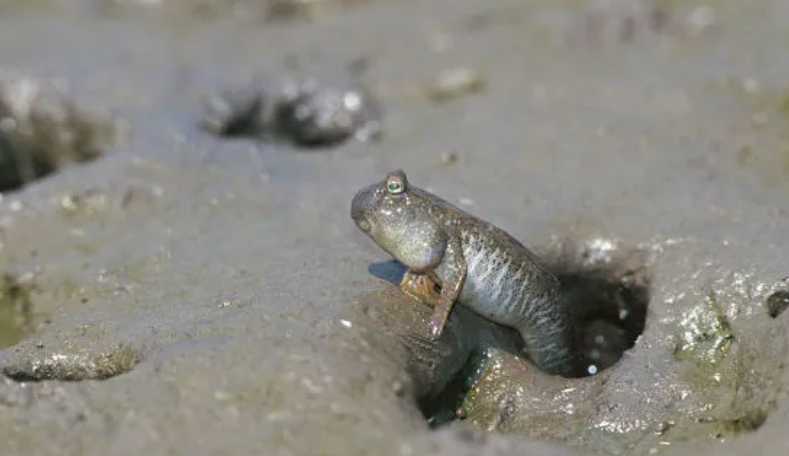
Source: Images from the Internet, if there is any infringement, please contact the removal of


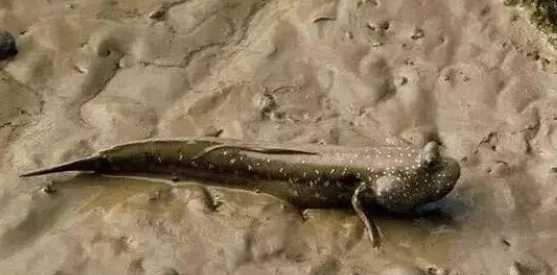
Mud skippers exhibit a streamlined, elongated body that grows up to 15 centimeters in length, with a laterally compressed shape that aids in swimming. Their bodies are covered in tiny, smooth scales and lack a lateral line, a sensory organ common in most fish. The tail fin is broad and rounded, featuring a brownish hue with subtle spotted patterns on the fin rays, which helps them blend into the muddy substrates they frequent. One of their most distinctive features is their pectoral fins, which are highly muscular and adapted for "walking" on land. By using these fins to propel themselves and their tails for balance, mud skippers can leap across mudflats, climb tree roots, and even survive out of water for extended periods by retaining moisture in their gill chambers and skin.


These amphibious fish have a lifespan of approximately two years, during which they navigate the harsh, fluctuating conditions of the intertidal zone. They feed primarily on small invertebrates, algae, and organic detritus, using their sharp teeth to scrape food from surfaces. During low tide, they emerge from the water to forage, often engaging in territorial displays or courtship rituals that involve dramatic leaps and fin movements. Their ability to breathe through their skin and gills when out of water is facilitated by keeping their skin moist, a strategy that allows them to avoid predation by marine creatures and exploit a niche unavailable to fully aquatic species.


Despite their resilience, mud skippers face significant threats from habitat loss due to coastal development, mangrove deforestation, and pollution. These activities destroy the mudflats and mangroves they rely on for survival, disrupting their feeding and breeding grounds. Additionally, they are sometimes harvested for food or the aquarium trade, putting further pressure on local populations. As key indicators of intertidal ecosystem health, mud skippers play a vital role in nutrient cycling and maintaining the balance of mangrove habitats. Conservation efforts, including the protection of mangrove forests and the promotion of sustainable land use practices, are crucial to safeguarding these remarkable creatures and the fragile ecosystems they inhabit.

Latest Stories
Feline News2 minute readThe Oriental Longhair, a breed celebrated for its elegance and intelligence, traces its roots to mid-20th-century breeding programs aimed at expanding the color and pattern diversity of Siamese cats . Developed through crosses with breeds like Russian Blues and British Shorthairs, these cats gained recognition in the 1970s and were officially acknowledged by The International Cat Association (TICA) in 1979 and the Cat Fanciers' Association (CFA) in 1995 .
Feline News2 minute readThe Korat cat, originating from Thailand’s Nakhon Ratchasima province (formerly Korat), is a breed deeply rooted in history and cultural significance. Revered for centuries as a symbol of good luck and prosperity, these silver-blue felines have enchanted the world with their striking appearance and affectionate nature.
Feline News2 minute readA heartwarming tale of survival and companionship has thrust the Munchkin cat into the global spotlight, showcasing the breed’s unique charm and indomitable spirit. Mochi, an 8-month-old Munchkin rescued from a life-threatening illness, has become an international symbol of hope, embodying the resilience and playful nature that define these short-legged felines.
Travel News2 minute readPerched atop an 82-meter volcanic plug in Le Puy-en-Velay, France, the Chapelle Saint-Michel d’Aiguilhe stands as a testament to faith and engineering prowess. Built in 962 AD, this architectural marvel balances precariously on a basaltic rock formation, blending Romanesque austerity with Moorish-inspired ornamentation to create one of Europe’s most dramatic religious landmarks.
Feline News2 minute readRagamuffin cats, affectionately known as "muffins," have captured the hearts of cat lovers worldwide with their plush coats, docile personalities, and striking appearance. Originating in the United States in the 1990s, this breed emerged from a group of breeders seeking to expand the genetic diversity of Ragdoll cats. By crossing Ragdolls with Persians, Himalayans, and other long-haired breeds, they created a larger, more robust feline with a broader range of coat colors and patterns
Canine News2 minute readOriginating in the early 20th century, the American White Shepherd traces its lineage to the German Shepherd. Due to a recessive white coat gene, these dogs were long considered "flawed" in Germany and systematically culled from breeding programs12. However, North American breeders recognized their unique appeal and selectively developed them into a distinct breed, officially acknowledged by the United Kennel Club (UKC) in 199917
Canine News1 minute readAs the world's first operational vertical/short takeoff and landing (V/STOL) fighter jet, the British-developed Harrier, nicknamed the "Jump Jet," has left an indelible mark on aviation history through its groundbreaking design and combat prowess.