Squid: The Agile Cephalopods of the Open Seas


Marine Biology
Squid: The Agile Cephalopods of the Open Seas

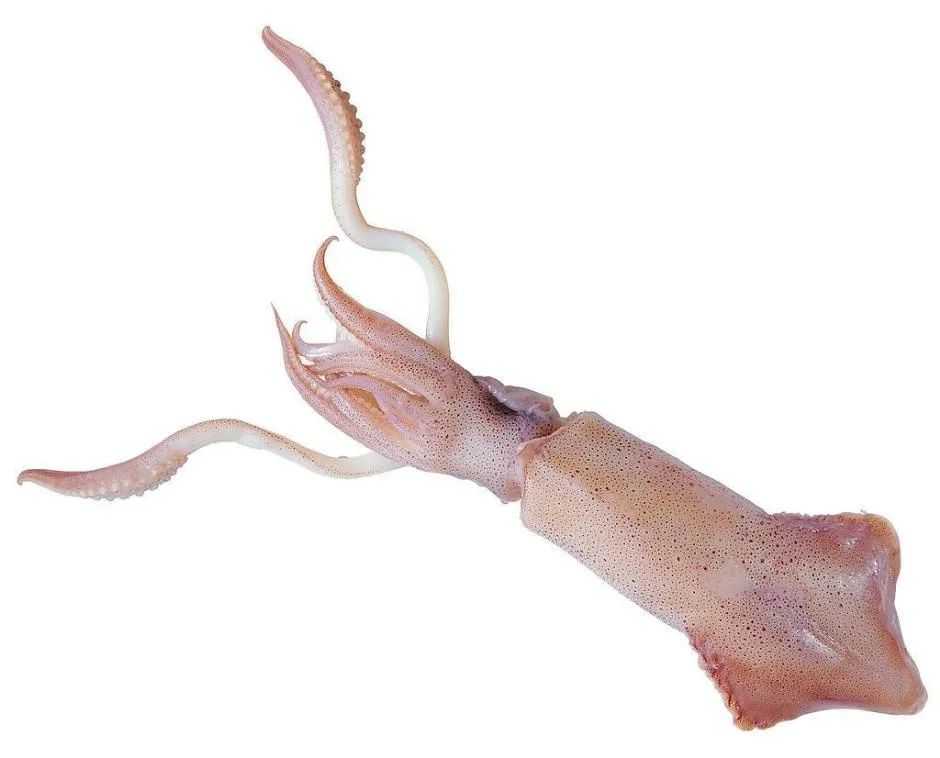
Squid, widely recognized as a popular seafood item, are fascinating marine mollusks belonging to the Teuthida order. These soft-bodied cephalopods are characterized by their elongated, torpedo-shaped bodies, ten flexible appendages (including eight arms and two specialized feeding tentacles), and a remarkable ability to navigate the world’s oceans with speed and precision. Found in both shallow coastal waters and the deepest abyssal zones, they play a crucial role in marine ecosystems as both predators and prey.


Squid exhibit a streamlined form that allows them to dart through water at high speeds, reaching up to 20 miles per hour in some species. Their bodies are covered in a smooth, muscular mantle that houses internal organs, including a feather-like pen (a remnant of their ancestral shell) that provides structural support. One of their most distinctive features is the ability to change skin color and texture using chromatophores, enabling them to camouflage with their surroundings or communicate with other squid. When threatened, they can expel a cloud of dark ink to confuse predators, a defense mechanism that has made this trait iconic. Most species have large, complex eyes that rival human vision in clarity, helping them spot prey or avoid predators in the dim ocean depths.


As highly adaptable predators, squid feed on a diverse diet of small fish, crustaceans, and even other cephalopods. Their two long tentacles, equipped with suckers or hooks, allow them to rapidly capture prey, which is then torn apart by a sharp, parrot-like beak. Squid are also a vital food source for larger marine animals, including whales, sharks, and seabirds, making them a keystone species in many food webs. Commercially, they are harvested in vast quantities for human consumption, appearing in dishes like calamari, sushi, and stir-fries. Their mild flavor, tender texture, and high protein content have made them a global culinary favorite.


Despite their abundance, some squid species face challenges from overfishing and habitat disruption. Industrial trawling and climate change—particularly ocean acidification and rising water temperatures—threaten their populations and the ecosystems they support. Conservation efforts, such as sustainable fishing practices and marine protected areas, aim to ensure their long-term survival. As both agile ocean predators and a cornerstone of global seafood markets, squid exemplify the intricate balance between marine biodiversity and human livelihoods, underscoring the need for responsible stewardship of our planet’s aquatic resources.

Latest Stories
Feline News2 minute readThe Oriental Longhair, a breed celebrated for its elegance and intelligence, traces its roots to mid-20th-century breeding programs aimed at expanding the color and pattern diversity of Siamese cats . Developed through crosses with breeds like Russian Blues and British Shorthairs, these cats gained recognition in the 1970s and were officially acknowledged by The International Cat Association (TICA) in 1979 and the Cat Fanciers' Association (CFA) in 1995 .
Feline News2 minute readThe Korat cat, originating from Thailand’s Nakhon Ratchasima province (formerly Korat), is a breed deeply rooted in history and cultural significance. Revered for centuries as a symbol of good luck and prosperity, these silver-blue felines have enchanted the world with their striking appearance and affectionate nature.
Feline News2 minute readA heartwarming tale of survival and companionship has thrust the Munchkin cat into the global spotlight, showcasing the breed’s unique charm and indomitable spirit. Mochi, an 8-month-old Munchkin rescued from a life-threatening illness, has become an international symbol of hope, embodying the resilience and playful nature that define these short-legged felines.
Travel News2 minute readPerched atop an 82-meter volcanic plug in Le Puy-en-Velay, France, the Chapelle Saint-Michel d’Aiguilhe stands as a testament to faith and engineering prowess. Built in 962 AD, this architectural marvel balances precariously on a basaltic rock formation, blending Romanesque austerity with Moorish-inspired ornamentation to create one of Europe’s most dramatic religious landmarks.
Feline News2 minute readRagamuffin cats, affectionately known as "muffins," have captured the hearts of cat lovers worldwide with their plush coats, docile personalities, and striking appearance. Originating in the United States in the 1990s, this breed emerged from a group of breeders seeking to expand the genetic diversity of Ragdoll cats. By crossing Ragdolls with Persians, Himalayans, and other long-haired breeds, they created a larger, more robust feline with a broader range of coat colors and patterns
Canine News2 minute readOriginating in the early 20th century, the American White Shepherd traces its lineage to the German Shepherd. Due to a recessive white coat gene, these dogs were long considered "flawed" in Germany and systematically culled from breeding programs12. However, North American breeders recognized their unique appeal and selectively developed them into a distinct breed, officially acknowledged by the United Kennel Club (UKC) in 199917
Canine News1 minute readAs the world's first operational vertical/short takeoff and landing (V/STOL) fighter jet, the British-developed Harrier, nicknamed the "Jump Jet," has left an indelible mark on aviation history through its groundbreaking design and combat prowess.