Swedish Vallhund: The Resilient Nordic Herding Dog's Journey from Near Extinction to Global Recognition


Canine News
Swedish Vallhund: The Resilient Nordic Herding Dog's Journey from Near Extinction to Global Recognition

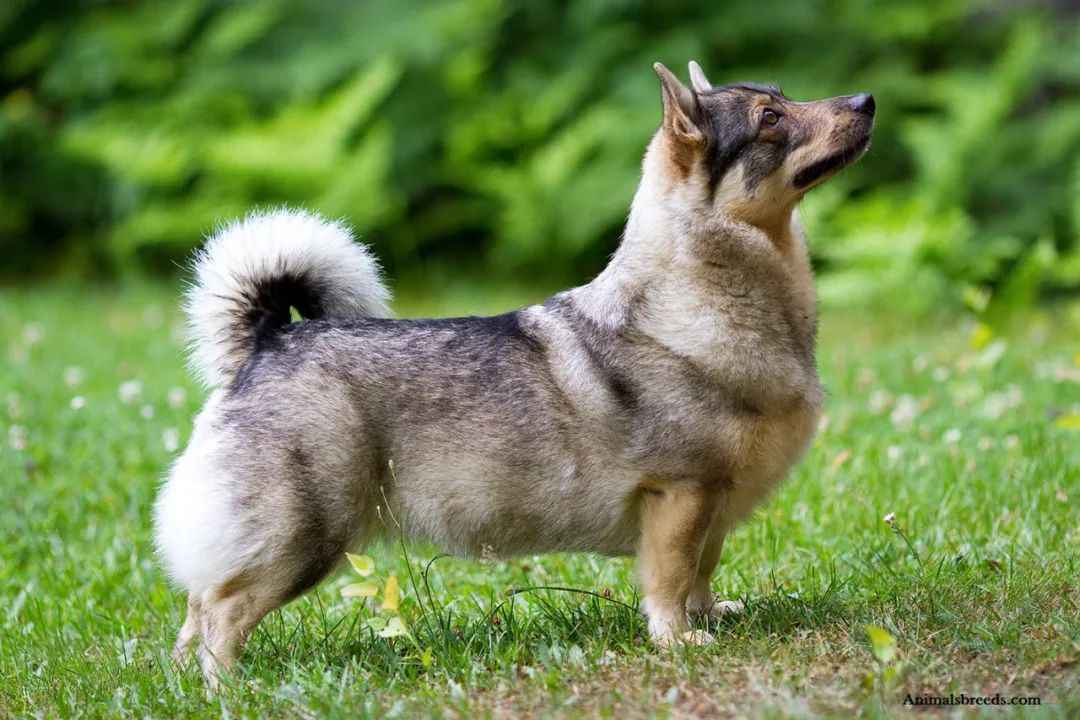
The Swedish Vallhund, affectionately known as the "Viking Dog," is captivating dog lovers worldwide with its rich history and remarkable survival story. Originating in medieval Sweden, this short-legged herding breed served as both a farming companion and cultural symbol, enduring through centuries before facing a dramatic rescue from extinction.


A Viking Legacy of Herding and Protection

Dating back to the 8th century, the Vallhund was an indispensable part of Viking life, herding cattle, guarding farms, and accompanying seafaring expeditions across Europe 35. Their compact build (30-34 cm tall, 11-15 kg) and low stature allowed them to nimbly maneuver around livestock, nipping at heels to guide herds. The distinct "V" shaped dark markings on their backs are believed to honor Odin’s wolves, reflecting ancient Norse mythology 34.

Revival from the Brink of Extinction

By the mid-20th century, industrialization nearly wiped out the breed. In 1942, visionary conservationists Björn von Rosen and Karl Gustav Zettersten embarked on a mission, locating just one male and three female Vallhunds to rebuild the lineage 46. Their efforts paid off when the Swedish Kennel Club recognized the breed in 1943, christening it "Västgötaspets" after its birthplace 58. Global recognition followed in 2007 when the American Kennel Club (AKC) welcomed the Vallhund into its Herding Group 48.

A Versatile Modern Companion

Today, Vallhunds balance their working heritage with roles as devoted family pets. Their fearless yet affectionate nature makes them excellent watchdogs and companions, though they require daily exercise to channel their boundless energy 19. Sporting a dense double coat in shades of gray or red with lighter "harness" markings, they thrive in cold climates and adapt well to urban living 59. Notably, Vallhunds are born with naturally varied tail lengths, from bobtails to full tails, a trait celebrated as part of their genetic diversity 45.

Health and Care Considerations

While generally robust, Vallhunds face hereditary risks such as progressive retinal atrophy (PRA), cataracts, and hip dysplasia 9. Regular veterinary check-ups, weight management, and mental stimulation are essential to prevent these issues. Their herding instincts may lead to nipping at children or chasing small animals, necessitating early training to redirect these behaviors 79.


From Viking farms to contemporary homes, the Swedish Vallhund’s journey is a testament to resilience and human-animal partnership. This ancient breed, once on the verge of extinction, now stands as a symbol of heritage and adaptability, continuing to inspire admiration across continents.
Latest Stories
Feline News2 minute readThe Oriental Longhair, a breed celebrated for its elegance and intelligence, traces its roots to mid-20th-century breeding programs aimed at expanding the color and pattern diversity of Siamese cats . Developed through crosses with breeds like Russian Blues and British Shorthairs, these cats gained recognition in the 1970s and were officially acknowledged by The International Cat Association (TICA) in 1979 and the Cat Fanciers' Association (CFA) in 1995 .
Feline News2 minute readThe Korat cat, originating from Thailand’s Nakhon Ratchasima province (formerly Korat), is a breed deeply rooted in history and cultural significance. Revered for centuries as a symbol of good luck and prosperity, these silver-blue felines have enchanted the world with their striking appearance and affectionate nature.
Feline News2 minute readA heartwarming tale of survival and companionship has thrust the Munchkin cat into the global spotlight, showcasing the breed’s unique charm and indomitable spirit. Mochi, an 8-month-old Munchkin rescued from a life-threatening illness, has become an international symbol of hope, embodying the resilience and playful nature that define these short-legged felines.
Travel News2 minute readPerched atop an 82-meter volcanic plug in Le Puy-en-Velay, France, the Chapelle Saint-Michel d’Aiguilhe stands as a testament to faith and engineering prowess. Built in 962 AD, this architectural marvel balances precariously on a basaltic rock formation, blending Romanesque austerity with Moorish-inspired ornamentation to create one of Europe’s most dramatic religious landmarks.
Feline News2 minute readRagamuffin cats, affectionately known as "muffins," have captured the hearts of cat lovers worldwide with their plush coats, docile personalities, and striking appearance. Originating in the United States in the 1990s, this breed emerged from a group of breeders seeking to expand the genetic diversity of Ragdoll cats. By crossing Ragdolls with Persians, Himalayans, and other long-haired breeds, they created a larger, more robust feline with a broader range of coat colors and patterns
Canine News2 minute readOriginating in the early 20th century, the American White Shepherd traces its lineage to the German Shepherd. Due to a recessive white coat gene, these dogs were long considered "flawed" in Germany and systematically culled from breeding programs12. However, North American breeders recognized their unique appeal and selectively developed them into a distinct breed, officially acknowledged by the United Kennel Club (UKC) in 199917
Canine News1 minute readAs the world's first operational vertical/short takeoff and landing (V/STOL) fighter jet, the British-developed Harrier, nicknamed the "Jump Jet," has left an indelible mark on aviation history through its groundbreaking design and combat prowess.