The Alarming Decline of Monarch Butterflies: A North American Icon at Risk


Insect Information
The Alarming Decline of Monarch Butterflies: A North American Icon at Risk

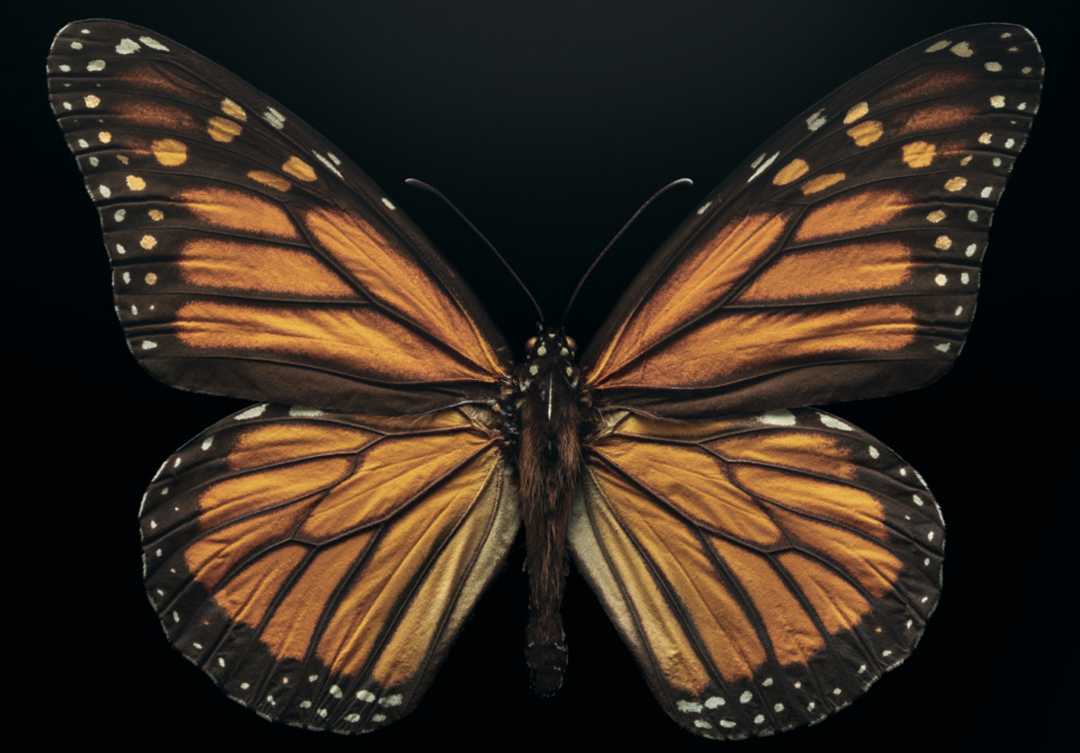
The Monarch butterfly (Danaus plexippus), once a beloved and iconic insect across North America, has been experiencing a continuous and distressing decline in population over recent decades, yet still awaits formal protection. This species, renowned for its spectacular long - distance migrations, has captured the hearts of people with its bright orange and black wings.


In their overwintering grounds, both in Mexico for the eastern population and in California, USA for the western population, Monarch butterflies are closely monitored and studied. However, the numbers of these butterflies have been plummeting. In Mexico, the eastern population, which congregates in the oyamel fir forests, has seen a drastic reduction. From 1996 - 2014, the eastern population declined by a staggering 84%. The butterflies' overwintering sites in Mexico are crucial, but they are under threat from illegal logging and deforestation, which destroy the forests where the Monarchs roost.


The situation is even more dire for the western population in California. Their numbers have dropped by a heart - wrenching 99.9% since the 1980s, with less than 1914 individuals recorded in the winter of 2020 - 2021. Once, millions of western Monarchs would gather along the California coast, but now, their presence is a rare sight. Pesticide and herbicide use in their breeding and migration areas is a major culprit. These chemicals kill not only the Monarchs themselves but also the milkweed plants, which are essential for the survival of Monarch caterpillars as their sole food source. Additionally, climate change has led to more extreme weather events, such as droughts, wildfires, and intense storms, which disrupt the Monarchs' life cycle and migration patterns. Despite their significant decline, the Monarch butterfly has yet to receive the formal protection it so urgently needs to reverse its downward population trend.

Latest Stories
Feline News2 minute readThe Oriental Longhair, a breed celebrated for its elegance and intelligence, traces its roots to mid-20th-century breeding programs aimed at expanding the color and pattern diversity of Siamese cats . Developed through crosses with breeds like Russian Blues and British Shorthairs, these cats gained recognition in the 1970s and were officially acknowledged by The International Cat Association (TICA) in 1979 and the Cat Fanciers' Association (CFA) in 1995 .
Feline News2 minute readThe Korat cat, originating from Thailand’s Nakhon Ratchasima province (formerly Korat), is a breed deeply rooted in history and cultural significance. Revered for centuries as a symbol of good luck and prosperity, these silver-blue felines have enchanted the world with their striking appearance and affectionate nature.
Feline News2 minute readA heartwarming tale of survival and companionship has thrust the Munchkin cat into the global spotlight, showcasing the breed’s unique charm and indomitable spirit. Mochi, an 8-month-old Munchkin rescued from a life-threatening illness, has become an international symbol of hope, embodying the resilience and playful nature that define these short-legged felines.
Travel News2 minute readPerched atop an 82-meter volcanic plug in Le Puy-en-Velay, France, the Chapelle Saint-Michel d’Aiguilhe stands as a testament to faith and engineering prowess. Built in 962 AD, this architectural marvel balances precariously on a basaltic rock formation, blending Romanesque austerity with Moorish-inspired ornamentation to create one of Europe’s most dramatic religious landmarks.
Feline News2 minute readRagamuffin cats, affectionately known as "muffins," have captured the hearts of cat lovers worldwide with their plush coats, docile personalities, and striking appearance. Originating in the United States in the 1990s, this breed emerged from a group of breeders seeking to expand the genetic diversity of Ragdoll cats. By crossing Ragdolls with Persians, Himalayans, and other long-haired breeds, they created a larger, more robust feline with a broader range of coat colors and patterns
Canine News2 minute readOriginating in the early 20th century, the American White Shepherd traces its lineage to the German Shepherd. Due to a recessive white coat gene, these dogs were long considered "flawed" in Germany and systematically culled from breeding programs12. However, North American breeders recognized their unique appeal and selectively developed them into a distinct breed, officially acknowledged by the United Kennel Club (UKC) in 199917
Canine News1 minute readAs the world's first operational vertical/short takeoff and landing (V/STOL) fighter jet, the British-developed Harrier, nicknamed the "Jump Jet," has left an indelible mark on aviation history through its groundbreaking design and combat prowess.