The Dapper "Gentlemen" of the Antarctic: Chinstrap Penguins


Marine Biology
The Dapper "Gentlemen" of the Antarctic: Chinstrap Penguins

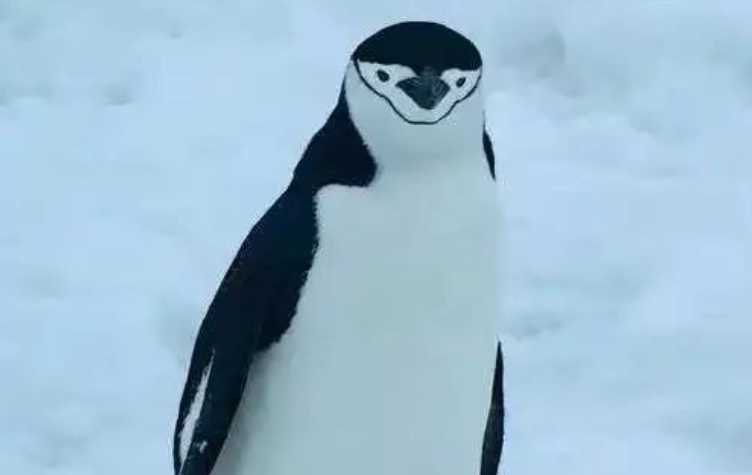
Inhabiting the windswept islands surrounding Antarctica, chinstrap penguins (Pygoscelis antarctica) are small yet striking birds perfectly adapted to life in the harsh southern polar region. Standing about 70 centimeters tall, these penguins thrive on a diet of krill and small fish, navigating icy waters and rocky shores with equal ease. Their distinctive appearance makes them one of the most recognizable species in the Antarctic ecosystem.
 

Source: Images from the Internet, if there is any infringement, please contact the removal of


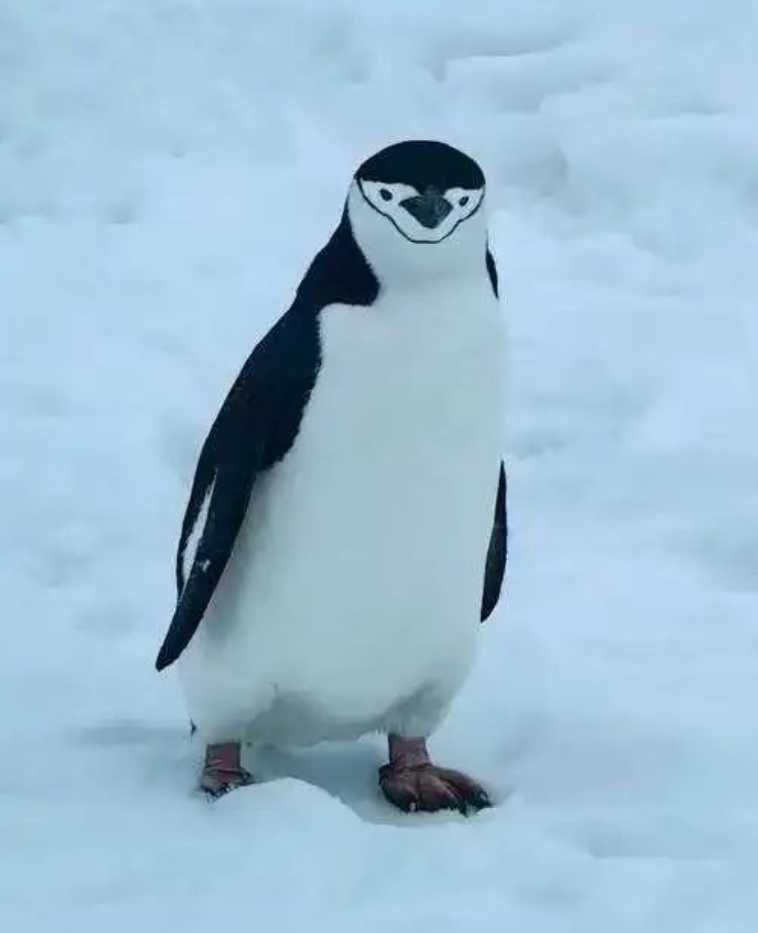
True to their name, chinstrap penguins are distinguished by a thin, bold black stripe that wraps around their heads like a soldier’s helmet strap, contrasting sharply with their snow-white faces and chests. Their sleek, tuxedo-like plumage—black on the back and white on the front—gives them an air of formal elegance, as if they’re perpetually dressed for a grand occasion. When waddling across ice or rock, their upright posture and side-to-side sway, often with flippers tucked like arms in pockets, evoke the charming image of tiny gentlemen on a leisurely stroll.


Despite their dashing appearance, chinstrap penguins face the challenges of extreme cold, strong winds, and fierce competition for food. They nest in large colonies, using stones to build simple shelters and protect their eggs from the elements. Their loud, raucous calls and communal behaviors highlight their social nature, while their ability to dive deep into frigid waters showcases their remarkable survival skills. As climate change threatens their icy habitats, these " Antarctic gentlemen" serve as a reminder of the fragile beauty of polar ecosystems and the urgent need to protect the unique species that call them home. Whether swimming in synchronized groups or standing sentinel on snow-covered cliffs, chinstrap penguins embody the resilience and grace of life at the ends of the Earth.
Latest Stories
Feline News2 minute readThe Oriental Longhair, a breed celebrated for its elegance and intelligence, traces its roots to mid-20th-century breeding programs aimed at expanding the color and pattern diversity of Siamese cats . Developed through crosses with breeds like Russian Blues and British Shorthairs, these cats gained recognition in the 1970s and were officially acknowledged by The International Cat Association (TICA) in 1979 and the Cat Fanciers' Association (CFA) in 1995 .
Feline News2 minute readThe Korat cat, originating from Thailand’s Nakhon Ratchasima province (formerly Korat), is a breed deeply rooted in history and cultural significance. Revered for centuries as a symbol of good luck and prosperity, these silver-blue felines have enchanted the world with their striking appearance and affectionate nature.
Feline News2 minute readA heartwarming tale of survival and companionship has thrust the Munchkin cat into the global spotlight, showcasing the breed’s unique charm and indomitable spirit. Mochi, an 8-month-old Munchkin rescued from a life-threatening illness, has become an international symbol of hope, embodying the resilience and playful nature that define these short-legged felines.
Travel News2 minute readPerched atop an 82-meter volcanic plug in Le Puy-en-Velay, France, the Chapelle Saint-Michel d’Aiguilhe stands as a testament to faith and engineering prowess. Built in 962 AD, this architectural marvel balances precariously on a basaltic rock formation, blending Romanesque austerity with Moorish-inspired ornamentation to create one of Europe’s most dramatic religious landmarks.
Feline News2 minute readRagamuffin cats, affectionately known as "muffins," have captured the hearts of cat lovers worldwide with their plush coats, docile personalities, and striking appearance. Originating in the United States in the 1990s, this breed emerged from a group of breeders seeking to expand the genetic diversity of Ragdoll cats. By crossing Ragdolls with Persians, Himalayans, and other long-haired breeds, they created a larger, more robust feline with a broader range of coat colors and patterns
Canine News2 minute readOriginating in the early 20th century, the American White Shepherd traces its lineage to the German Shepherd. Due to a recessive white coat gene, these dogs were long considered "flawed" in Germany and systematically culled from breeding programs12. However, North American breeders recognized their unique appeal and selectively developed them into a distinct breed, officially acknowledged by the United Kennel Club (UKC) in 199917
Canine News1 minute readAs the world's first operational vertical/short takeoff and landing (V/STOL) fighter jet, the British-developed Harrier, nicknamed the "Jump Jet," has left an indelible mark on aviation history through its groundbreaking design and combat prowess.