The Enigmatic Bearded Collie – A Resilient Breed with a Timeless Legacy


Canine News
The Enigmatic Bearded Collie – A Resilient Breed with a Timeless Legacy

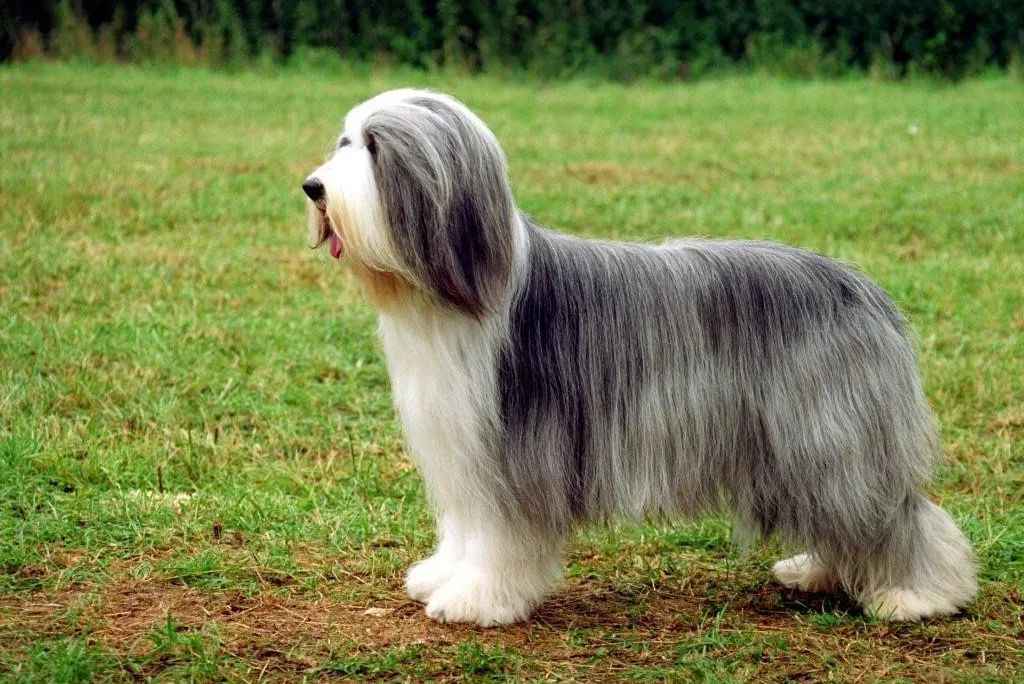
The Bearded Collie, affectionately known as the "Beardie," is a breed steeped in mystery and resilience. Originating from Scotland, these shaggy herders have captivated hearts for centuries with their distinctive appearance and versatile skills. While their exact lineage remains debated, legends suggest they descended from Polish Lowland Sheepdogs brought to Scotland in 1514, where they interbred with local herding dogs 27. This fusion birthed a hardy breed capable of navigating Scotland’s rugged terrain and harsh weather, herding both sheep and cattle with unwavering dedication 613.

By the late 19th century, Bearded Collies began gaining recognition in dog shows, with their official debut at the 1897 Edinburgh Dog Show 2. However, two world wars nearly wiped out the breed, until visionary breeders like Mrs. G.O. Willison tirelessly revived them post-war 213. Their efforts paid off: today, Beardies are cherished not only as working dogs but also as beloved family companions, ranking among the UK’s most popular breeds 213.


Physical and Temperamental Traits
Sporting a dense, weather-resistant double coat—comprising a soft underlayer and a coarse, wavy outer layer—Beardies are instantly recognizable by their shaggy manes and distinctive facial "beards" 13. Their coat colors evolve dramatically from birth, shifting from black, blue, or brown to lighter hues like silver or sandy as they mature 89. Standing 51–56 cm tall, they exude agility and strength, traits honed through centuries of herding 13.


Known for their playful and affectionate nature, Beardies thrive on human interaction. They are intelligent, adaptable, and surprisingly mischievous, often described as "clowns in sheepdog clothing" 1013. While their independent streak requires patient training, they excel in activities like agility, obedience, and therapy work 313.


Health and Care Considerations
Despite their robust history, Beardies face genetic health risks, including hip dysplasia, progressive retinal atrophy, and autoimmune thyroiditis 514. Regular veterinary check-ups, a balanced diet, and ample exercise are crucial to their well-being. Their thick coats demand weekly brushing to prevent matting, though their natural waterproofing reduces bathing frequency 13.


In 2021, a Bearded Collie claimed victory at the Hungarian Euro Dog Show, underscoring their enduring appeal 2. Whether herding livestock in Scotland’s Highlands or lounging with families in urban homes, the Bearded Collie remains a symbol of adaptability and charm—a breed whose story is as rich and textured as its iconic coat.


This article combines historical insights, breed standards, and modern relevance to highlight the Bearded Collie’s unique legacy. For more updates on canine breeds, follow our exclusive animal welfare coverage.


Note: The English version retains the original structure and key details while adhering to international journalistic norms, emphasizing clarity and engaging storytelling.
Latest Stories
Feline News2 minute readThe Himalayan cat, a captivating fusion of Persian and Siamese genetics, has enchanted cat enthusiasts worldwide with its striking blue eyes and luxurious coat. Bred since the 1930s, this breed gained official recognition in 1957 when breeders Ben and Ann Borrett debuted their specimens at a cat show, setting standards adopted by organizations like the CFA . Nicknamed "Himmies," these cats balance elegance with affectionate charm, though their popularity demands careful attention to health and grooming.
Feline News1 minute readReportedly, the Dwelf cat, an emerging and distinctive feline breed, is gaining attention from cat enthusiasts worldwide due to its highly recognizable appearance and gentle temperament. This unique breed is a result of careful crossbreeding between the Sphynx, Devon Rex, and American Curl, combining the typical characteristics of these three breeds.
Feline News1 minute readThe European Shorthair, a beloved feline breed with deep roots in Europe, has charmed cat enthusiasts for centuries. Renowned for its robust build, short dense coat, and friendly demeanor, this breed stands out as a versatile and adaptable companion.
Feline News1 minute readAsia, a cradle of diverse feline heritage, has given the world some of the most beloved cat breeds, each boasting unique traits shaped by centuries of regional culture and environment. These breeds, celebrated for their distinct appearances and personalities, continue to captivate cat enthusiasts worldwide.
Health News1 minute readA mysterious and highly lethal disease is sweeping through the Democratic Republic of the Congo (DRC), with patients succumbing within 48 hours of symptom onset, prompting urgent global health alerts. The World Health Organization (WHO) has declared the outbreak a "major public health threat," as cases continue to surge across remote regions of Equateur Province. As of late February 2025, the crisis has escalated to 1,096 confirmed cases and 60 deaths, with a mortality rate of approximately 5.5% .
Feline News2 minute readThe Oriental Shorthair, a breed celebrated for its striking elegance and dynamic personality, traces its origins to mid-20th century breeding programs in the UK and the US2. Developed as a close relative of the Siamese, these cats emerged from intentional crossbreeding with British Shorthairs and Abyssinians to create a feline with the Siamese’s sleek physique but expanded coat color possibilities28. By the 1970s, the breed gained international recognition, captivating cat lovers worldwide with its unique charm.
Feline News2 minute readThe Maine Coon, often hailed as the "gentle giant" of the cat world, is a breed that captivates with its imposing size, striking appearance, and affectionate demeanor. Originating in the U.S. state of Maine, these regal felines have a rich history intertwined with myths and legends, from tales of Viking settlers bringing Norwegian Forest Cats to New England to claims of descent from Marie Antoinette’s cherished pets 37. While genetic studies indicate their roots lie in Western European domestic cats brought by Puritan settlers in the 17th–18th centuries, their enigmatic past only adds to their