Desert Elf with Short Legs and Curled Ears – Exploring the Unique Charm of Highlander Shorthair Cats


Feline News
Desert Elf with Short Legs and Curled Ears – Exploring the Unique Charm of Highlander Shorthair Cats

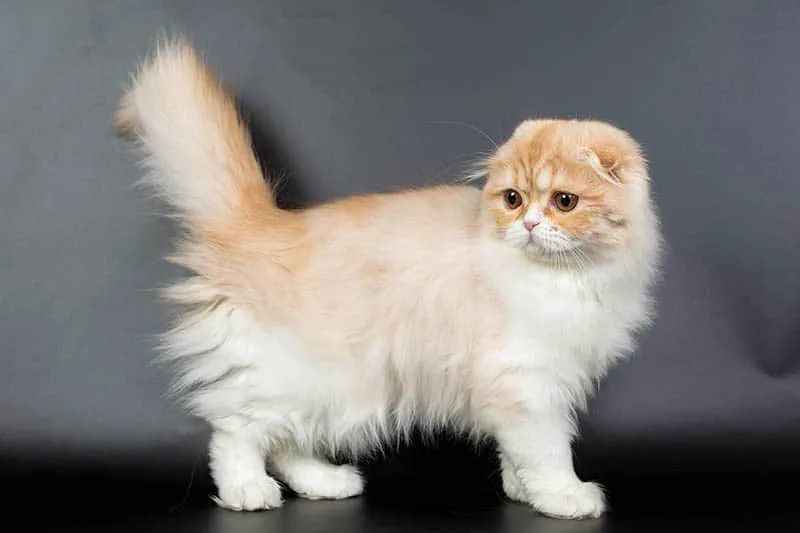
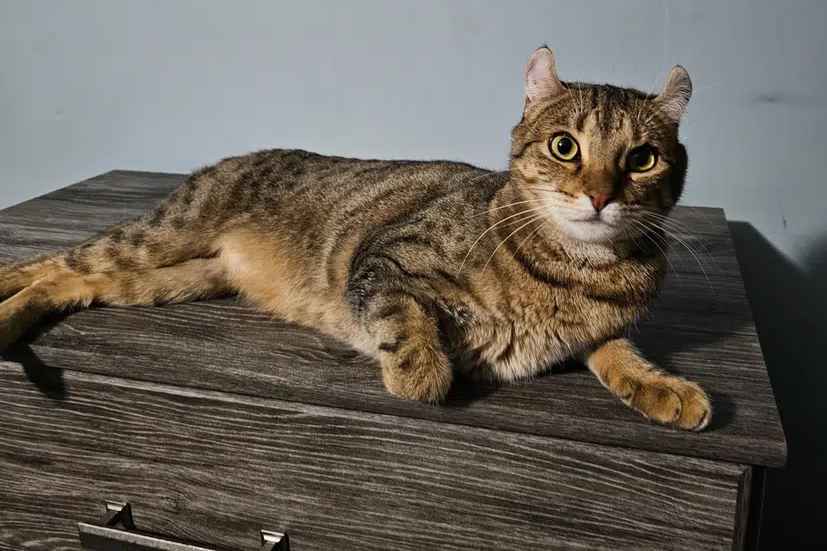
The Highlander Shorthair, a newly developed cat breed in the United States, combines genetics from the American Curl, Egyptian Mau, Bengal, and other breeds, forming a distinctive appearance and temperament. Originating in 2004, it was initially named the "Highland Lynx" before being officially renamed "Highlander" in 2005. The breed earned registration with The International Cat Association (TICA) in 2008, solidifying its status as an official pedigreed cat.


A Perfect Blend of Wild Appearance and Playful Features

As a medium-to-large breed, the Highlander Shorthair boasts a robust physique similar to the Maine Coon, with well-developed muscles and exceptional athleticism. Adult cats can reach 15–22 inches in body length. Their most striking trait is a pair of curled ears: kittens are born with straight ears, which gradually curl within two weeks, varying from slight bends to complete spirals. Additionally, their tails are typically short (1 inch or longer), often with kinks or twists; some individuals are even born tailless, echoing the wild lynx’s desert-dweller image. Their short, dense coats come in all colors—from solid hues to tabby and silver smoke—requiring minimal daily grooming.

Lively "Dog-Like" Personality: The Ultimate Social Butterfly

Highlander Shorthairs are renowned for their "dog-like" temperament, balancing energy with gentleness. They thrive on interacting with family members, often greeting owners at the door, and show friendliness toward strangers, even coexisting harmoniously with other pets. These cats excel at chasing games and wag their tails like puppies when excited. Surprisingly, they tolerate water far better than most felines, with some actively joining baths or playing with water.

Health Advantages and Potential Risks

Compared to breeds like the Scottish Fold, Highlanders lack hereditary skeletal defects, thanks to breeding practices prioritizing genetic diversity. However, their curled ear gene may lead to fragile ear cartilage and narrow ear canals, necessitating regular cleaning to prevent infections. Tailless or short-tailed individuals face risks of spinal deformities, similar to Manx cats, which may affect the spinal cord or nervous system. Prospective owners should choose reputable breeders to ensure traceable lineage and schedule routine health checks.

Care Guide: Nurturing Vitality and Well-Being

Routine care includes weekly ear cleaning with a pet-safe solution to prevent mites, while their short coats need brushing every two weeks to remove loose hair. Due to their high energy, provide interactive toys and climbing structures, along with at least 30 minutes of daily play to prevent obesity. A high-protein diet is essential to maintain their muscular build.

Today, the Highlander Shorthair captivates cat enthusiasts worldwide with its unique looks, affectionate nature, and low-maintenance needs. Whether as a family companion or show pet, this "desert elf"—blending wild allure with playful charm—offers an irreplaceable appeal.


Latest Stories
Feline News2 minute readThe Oriental Longhair, a breed celebrated for its elegance and intelligence, traces its roots to mid-20th-century breeding programs aimed at expanding the color and pattern diversity of Siamese cats . Developed through crosses with breeds like Russian Blues and British Shorthairs, these cats gained recognition in the 1970s and were officially acknowledged by The International Cat Association (TICA) in 1979 and the Cat Fanciers' Association (CFA) in 1995 .
Feline News2 minute readThe Korat cat, originating from Thailand’s Nakhon Ratchasima province (formerly Korat), is a breed deeply rooted in history and cultural significance. Revered for centuries as a symbol of good luck and prosperity, these silver-blue felines have enchanted the world with their striking appearance and affectionate nature.
Feline News2 minute readA heartwarming tale of survival and companionship has thrust the Munchkin cat into the global spotlight, showcasing the breed’s unique charm and indomitable spirit. Mochi, an 8-month-old Munchkin rescued from a life-threatening illness, has become an international symbol of hope, embodying the resilience and playful nature that define these short-legged felines.
Travel News2 minute readPerched atop an 82-meter volcanic plug in Le Puy-en-Velay, France, the Chapelle Saint-Michel d’Aiguilhe stands as a testament to faith and engineering prowess. Built in 962 AD, this architectural marvel balances precariously on a basaltic rock formation, blending Romanesque austerity with Moorish-inspired ornamentation to create one of Europe’s most dramatic religious landmarks.
Feline News2 minute readRagamuffin cats, affectionately known as "muffins," have captured the hearts of cat lovers worldwide with their plush coats, docile personalities, and striking appearance. Originating in the United States in the 1990s, this breed emerged from a group of breeders seeking to expand the genetic diversity of Ragdoll cats. By crossing Ragdolls with Persians, Himalayans, and other long-haired breeds, they created a larger, more robust feline with a broader range of coat colors and patterns
Canine News2 minute readOriginating in the early 20th century, the American White Shepherd traces its lineage to the German Shepherd. Due to a recessive white coat gene, these dogs were long considered "flawed" in Germany and systematically culled from breeding programs12. However, North American breeders recognized their unique appeal and selectively developed them into a distinct breed, officially acknowledged by the United Kennel Club (UKC) in 199917
Canine News1 minute readAs the world's first operational vertical/short takeoff and landing (V/STOL) fighter jet, the British-developed Harrier, nicknamed the "Jump Jet," has left an indelible mark on aviation history through its groundbreaking design and combat prowess.