The Masdevallia, commonly known as the Three - Pointed Orchid, belongs to the vast and diverse Orchidaceae family. This genus is a captivating group of plants that has fascinated botanists, orchid enthusiasts, and nature lovers around the globe.
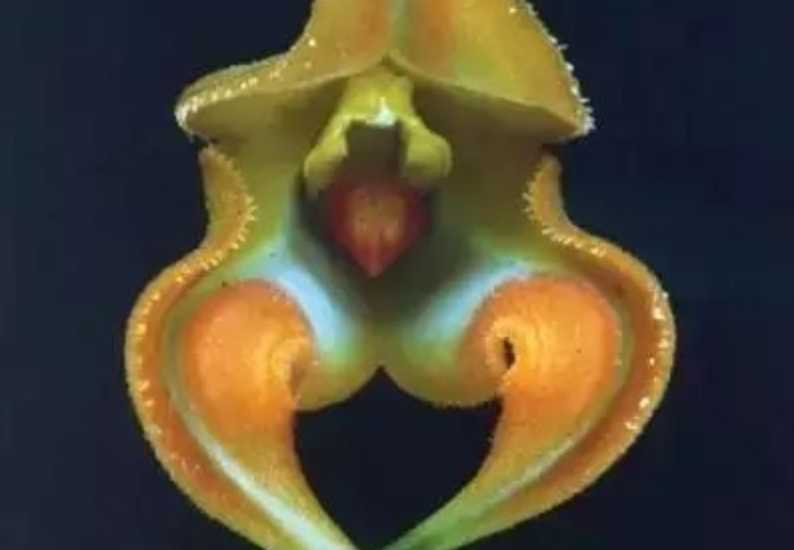
Masdevallias are characterized by their unique and eye - catching flowers. The most distinctive feature is the presence of three sepals that often have long, tail - like extensions at their tips, which give the plant its common name. These sepals can be fused at the base, forming a tube - like structure. The flowers come in a wide array of colors, from vivid reds, oranges, and yellows to more subdued purples, pinks, and whites. Some varieties even have intricate patterns and markings on their petals and sepals. The true petals of the Masdevallia are usually smaller and are often hidden within the showy sepals. The overall shape of the flower is quite irregular, with a triangular or bell - like form that adds to its charm. The plants themselves are generally small to medium - sized, with compact growth habits. They typically have a single leaf or a small rosette of leaves emerging from a short stem.
Native Habitat and Distribution
These orchids are native to the tropical and subtropical regions of the Americas, stretching from Mexico all the way down to Brazil. They are most commonly found in the cloud forests of the Andes Mountains in countries like Colombia, Ecuador, and Peru. In these high - altitude regions, the Masdevallia thrives in the cool, moist, and shaded conditions. The cloud forests provide the perfect environment with their constant mist, high humidity, and filtered sunlight. They are often epiphytic, meaning they grow on the branches of trees, using them for support rather than taking nutrients from the tree itself. However, some species can also be found growing on rocks or in the ground in their native habitats.
Cultivation and Care
Cultivating Masdevallias can be a rewarding but challenging experience. They require specific conditions to thrive. Light is a crucial factor; they prefer bright, indirect light, similar to what they would receive in their natural cloud forest habitats. Too much direct sunlight can scorch their leaves, while too little light may result in poor growth and fewer flowers. Temperature is also vital. They are accustomed to the cool temperatures of high - altitude areas, with ideal daytime temperatures ranging from 15 - 25°C (59 - 77°F) and slightly cooler nights. Humidity levels should be kept high, around 60 - 80%, which can be achieved through regular misting or by using a humidifier, especially in drier indoor environments. When it comes to potting, a well - drained, airy medium is essential. A mixture of fine bark, sphagnum moss, and perlite is often recommended. Watering should be done carefully, keeping the medium slightly moist but not waterlogged, as overly wet conditions can lead to root rot. Fertilizing during the growing season with a balanced orchid fertilizer can help promote healthy growth and abundant flowering. With proper care, these unique orchids can grace gardens and indoor spaces with their extraordinary beauty, making them a prized addition to any orchid collection.