The Pig-Nosed Turtle: A Unique Reptile Named for Its Snout, Easy to Keep but Prone to Illness


Marine Biology
The Pig-Nosed Turtle: A Unique Reptile Named for Its Snout, Easy to Keep but Prone to Illness

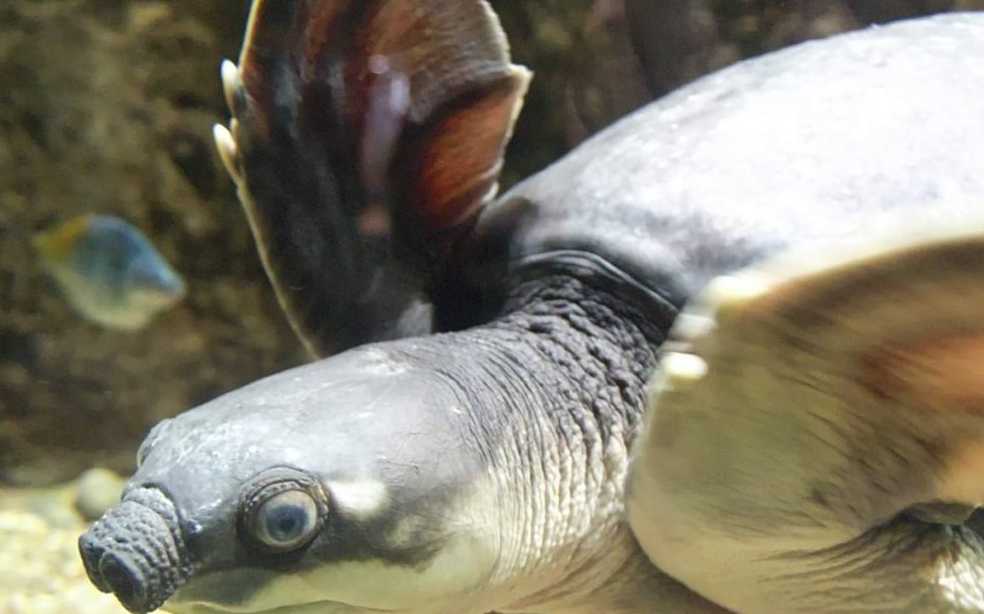
Native to freshwater rivers and lakes in northern Australia and New Guinea, the pig-nosed turtle (Carettochelys insculpta), aptly named for its pig-like snout, stands out among aquatic turtles for its distinctive appearance and paradoxical care requirements. While often praised as a manageable pet for reptile enthusiasts, this species also has a reputation for susceptibility to health issues, making it a fascinating yet challenging creature to maintain.


A Snout Like a Pig: Physical Traits and Adaptations

The pig-nosed turtle’s most defining feature is its fleshy, downturned snout, which resembles a pig’s nose and functions as a snorkel, allowing it to breathe while mostly submerged. Its shell, or carapace, is smooth and leathery (unlike the hard scales of most turtles), ranging from olive to dark brown, and can grow up to 70 centimeters in length. Flipper-like hind legs, adapted for swimming, give it a hydrodynamic profile in water, while its front legs feature claws for digging nests or navigating riverbeds. This unique blend of traits makes it the only surviving member of its family, Carettochelyidae, a relic of ancient turtle evolution.

Captive Care: Easy to House, Hard to Keep Healthy

In captivity, pig-nosed turtles are relatively straightforward to house: they require a large, filtered aquarium with clean, warm water (24–28°C) and ample swimming space. They are omnivorous, feeding on aquatic plants, insects, crustaceans, and commercial turtle pellets, which makes diet planning simple. However, their susceptibility to illnesses—particularly shell infections, respiratory diseases, and vitamin deficiencies—stems from sensitive physiological needs. Poor water quality, inadequate nutrition, or stress from overcrowding can quickly lead to health crises. Unlike many turtles, they are also prone to skin lesions if kept on rough substrates, requiring careful habitat design.

Conservation Status and Wild Challenges

In the wild, pig-nosed turtles face threats from habitat destruction, pollution, and illegal collection for the pet trade. Listed as Vulnerable by the IUCN, their populations have declined due to dam construction, which disrupts nesting sites, and predation by invasive species. In Australia, conservation programs monitor wild nests and promote captive breeding to reduce pressure on wild populations. For hobbyists, responsible ownership means prioritizing veterinary care, maintaining pristine water conditions, and avoiding purchasing wild-caught individuals.


The pig-nosed turtle’s dual nature—easy to care for in theory, yet fragile in practice—highlights the complexity of keeping exotic species. Its pig-like snout and ancient lineage make it a living curiosity, but its health vulnerabilities serve as a reminder that even "manageable" pets require specialized knowledge and dedication. As both a symbol of evolutionary uniqueness and a poster species for responsible reptile care, the pig-nosed turtle underscores the delicate balance between human fascination and the biological needs of Earth’s most unusual creatures.
Latest Stories
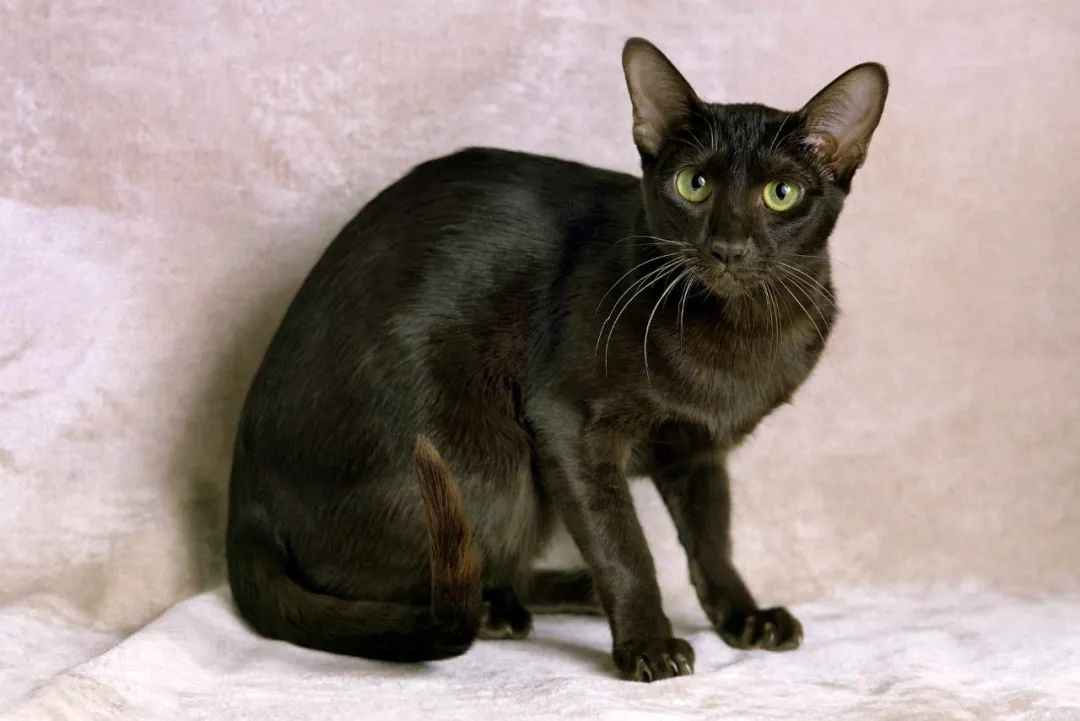
Feline News2 minute readThe Oriental Longhair, a breed celebrated for its elegance and intelligence, traces its roots to mid-20th-century breeding programs aimed at expanding the color and pattern diversity of Siamese cats . Developed through crosses with breeds like Russian Blues and British Shorthairs, these cats gained recognition in the 1970s and were officially acknowledged by The International Cat Association (TICA) in 1979 and the Cat Fanciers' Association (CFA) in 1995 .
Feline News2 minute readThe Korat cat, originating from Thailand’s Nakhon Ratchasima province (formerly Korat), is a breed deeply rooted in history and cultural significance. Revered for centuries as a symbol of good luck and prosperity, these silver-blue felines have enchanted the world with their striking appearance and affectionate nature.
Feline News2 minute readA heartwarming tale of survival and companionship has thrust the Munchkin cat into the global spotlight, showcasing the breed’s unique charm and indomitable spirit. Mochi, an 8-month-old Munchkin rescued from a life-threatening illness, has become an international symbol of hope, embodying the resilience and playful nature that define these short-legged felines.
Travel News2 minute readPerched atop an 82-meter volcanic plug in Le Puy-en-Velay, France, the Chapelle Saint-Michel d’Aiguilhe stands as a testament to faith and engineering prowess. Built in 962 AD, this architectural marvel balances precariously on a basaltic rock formation, blending Romanesque austerity with Moorish-inspired ornamentation to create one of Europe’s most dramatic religious landmarks.
Feline News2 minute readRagamuffin cats, affectionately known as "muffins," have captured the hearts of cat lovers worldwide with their plush coats, docile personalities, and striking appearance. Originating in the United States in the 1990s, this breed emerged from a group of breeders seeking to expand the genetic diversity of Ragdoll cats. By crossing Ragdolls with Persians, Himalayans, and other long-haired breeds, they created a larger, more robust feline with a broader range of coat colors and patterns
Canine News2 minute readOriginating in the early 20th century, the American White Shepherd traces its lineage to the German Shepherd. Due to a recessive white coat gene, these dogs were long considered "flawed" in Germany and systematically culled from breeding programs12. However, North American breeders recognized their unique appeal and selectively developed them into a distinct breed, officially acknowledged by the United Kennel Club (UKC) in 199917
Canine News1 minute readAs the world's first operational vertical/short takeoff and landing (V/STOL) fighter jet, the British-developed Harrier, nicknamed the "Jump Jet," has left an indelible mark on aviation history through its groundbreaking design and combat prowess.