Tiny Drosera Spatulata: The Miniature Carnivorous Marvel


Plant Information
Tiny Drosera Spatulata: The Miniature Carnivorous Marvel

Drosera spatulata, commonly known as the spoon-leaved sundew or small sundew, is a fascinating perennial herbaceous plant that belongs to the Droseraceae family. It is a remarkable species that has captured the attention of botanists and nature enthusiasts alike due to its unique characteristics and survival strategies.

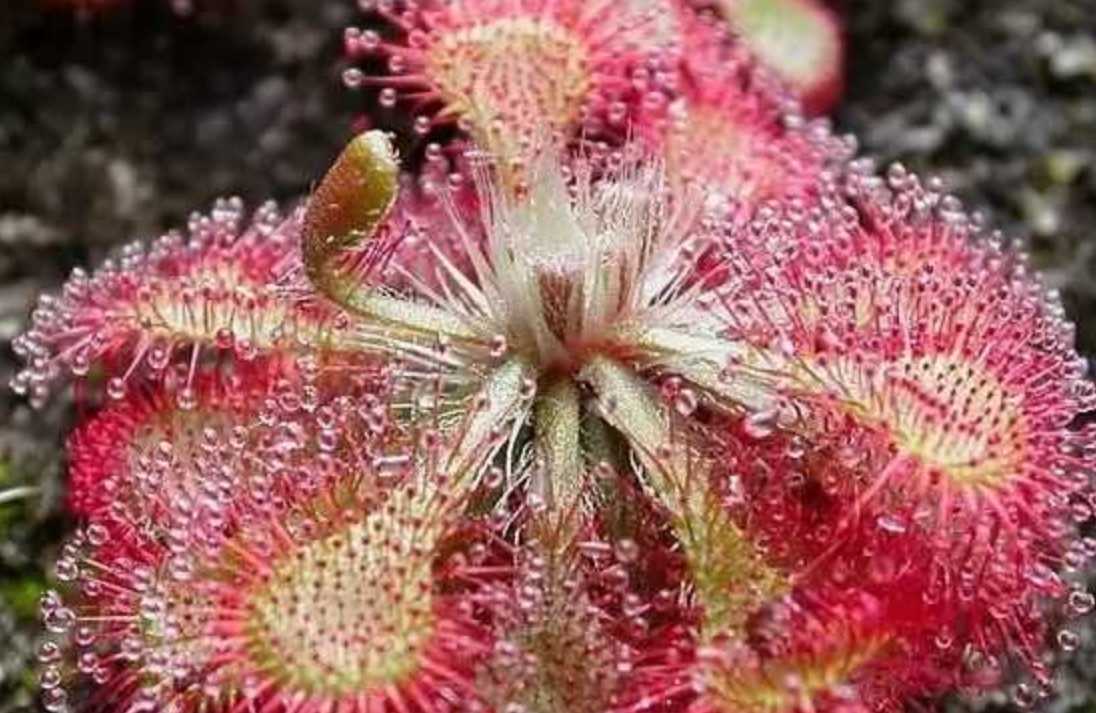
This plant is incredibly small, usually no more than a few centimeters in diameter, often compared to the size of a coin1. It lacks a distinct stem, and its roots are not well-developed. The leaves are spoon-shaped or spatulate, arranged in a rosette pattern, and are covered with numerous glandular hairs that secrete a sticky, glistening substance. This substance not only gives the plant a beautiful, jewel-like appearance but also serves as a deadly trap for small insects. When an insect lands on the leaf, it gets stuck in the sticky mucus, and the surrounding hairs gradually bend inwards to ensnare the prey further3. Digestive enzymes are then released to break down the insect and absorb the nutrients, providing the plant with essential nourishment that is scarce in its natural habitat3.


Drosera spatulata is native to a wide range of regions, including Southeast Asia, southern China, Japan, Micronesia, Papua New Guinea, eastern Australia, Tasmania, and New Zealand. It thrives in wet, boggy areas such as swamps, marshes, and along the edges of streams, where the soil is rich in moisture but poor in nutrients. In early summer, it produces delicate, slender flower stems that can reach up to 10-15 centimeters in height. Atop the stems, small white or pink flowers bloom in a one-sided racemose inflorescence. Each flower is relatively small, with five petals, and they play an important role in the plant's reproduction, relying on insects for pollination.


However, like many other unique plant species, Drosera spatulata is facing threats. Habitat destruction due to human activities such as urban development, agriculture, and logging is reducing the available habitats for this plant. Additionally, illegal collection for the horticultural trade and accidental damage from recreational activities also pose significant risks to its survival. Conservation efforts are underway to protect the natural habitats of Drosera spatulata and raise awareness about the importance of preserving these unique carnivorous plants. Botanical gardens and conservation organizations are working to cultivate and propagate the plant to ensure its long-term survival and to educate the public about its ecological significance.

Latest Stories
Feline News2 minute readThe Oriental Longhair, a breed celebrated for its elegance and intelligence, traces its roots to mid-20th-century breeding programs aimed at expanding the color and pattern diversity of Siamese cats . Developed through crosses with breeds like Russian Blues and British Shorthairs, these cats gained recognition in the 1970s and were officially acknowledged by The International Cat Association (TICA) in 1979 and the Cat Fanciers' Association (CFA) in 1995 .
Feline News2 minute readThe Korat cat, originating from Thailand’s Nakhon Ratchasima province (formerly Korat), is a breed deeply rooted in history and cultural significance. Revered for centuries as a symbol of good luck and prosperity, these silver-blue felines have enchanted the world with their striking appearance and affectionate nature.
Feline News2 minute readA heartwarming tale of survival and companionship has thrust the Munchkin cat into the global spotlight, showcasing the breed’s unique charm and indomitable spirit. Mochi, an 8-month-old Munchkin rescued from a life-threatening illness, has become an international symbol of hope, embodying the resilience and playful nature that define these short-legged felines.
Travel News2 minute readPerched atop an 82-meter volcanic plug in Le Puy-en-Velay, France, the Chapelle Saint-Michel d’Aiguilhe stands as a testament to faith and engineering prowess. Built in 962 AD, this architectural marvel balances precariously on a basaltic rock formation, blending Romanesque austerity with Moorish-inspired ornamentation to create one of Europe’s most dramatic religious landmarks.
Feline News2 minute readRagamuffin cats, affectionately known as "muffins," have captured the hearts of cat lovers worldwide with their plush coats, docile personalities, and striking appearance. Originating in the United States in the 1990s, this breed emerged from a group of breeders seeking to expand the genetic diversity of Ragdoll cats. By crossing Ragdolls with Persians, Himalayans, and other long-haired breeds, they created a larger, more robust feline with a broader range of coat colors and patterns
Canine News2 minute readOriginating in the early 20th century, the American White Shepherd traces its lineage to the German Shepherd. Due to a recessive white coat gene, these dogs were long considered "flawed" in Germany and systematically culled from breeding programs12. However, North American breeders recognized their unique appeal and selectively developed them into a distinct breed, officially acknowledged by the United Kennel Club (UKC) in 199917
Canine News1 minute readAs the world's first operational vertical/short takeoff and landing (V/STOL) fighter jet, the British-developed Harrier, nicknamed the "Jump Jet," has left an indelible mark on aviation history through its groundbreaking design and combat prowess.