Recently, several internationally authoritative media including The New York Times have disclosed that the Trump administration in the United States plans to terminate its funding for the Global Alliance for Vaccines and Immunization (Gavi) and significantly cut international aid programs for infectious diseases such as malaria. This decision will undoubtedly have a profound impact on the global health security system and may even put millions of children at risk of death due to the inability to receive basic vaccinations.
The Significance of Gavi: The Cornerstone of Global Health
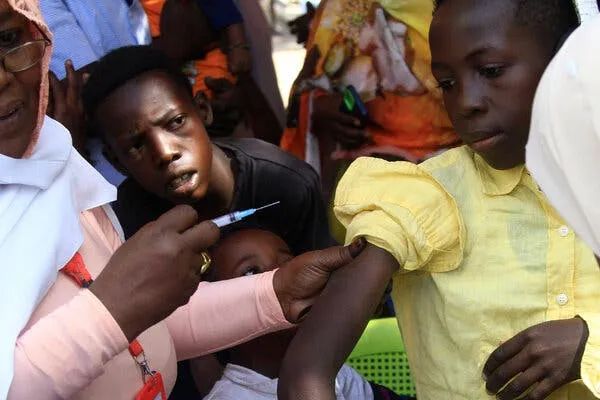
Since its establishment in 2000, Gavi has played a crucial role in the field of global public health. It is estimated that the organization has helped save the lives of 19 million children. Its funds are mainly used to purchase and provide vaccines for developing countries to ensure that children can receive basic immunizations. The United States has always been one of the main donors to Gavi, accounting for 13% of its budget. It is worth noting that Gavi is not just a vaccine - purchasing platform. It also undertakes the tasks of global vaccine supply chain management, responding to infectious disease outbreaks, and supporting the capacity - building of low - income countries for independent vaccine procurement. For example, during the COVID - 19 pandemic, Gavi, through the COVAX mechanism, helped many countries around the world obtain vaccines, preventing the epidemic from getting out of control in resource - scarce areas.
The Far - reaching Impact of the US Funding Cut
According to the 281 - page document obtained by The New York Times, the US government plans to terminate its $2.6 - billion funding for Gavi and cut several global public health aid programs. Analysts generally believe that this will lead to the following serious consequences:
- Decline in Children's Vaccination Rates and Rise in Disease Mortality: Gavi estimates that if the US stops funding, 75 million children will be at risk of diseases due to the inability to receive vaccines in the next five years, and 1.2 million children may die as a result. In particular, highly infectious diseases such as measles and polio are likely to cause large - scale outbreaks in poor areas if there is a lack of sufficient vaccine coverage.
- Increased Risk to Global Health Security: Infectious diseases do not confine themselves to a particular country or region. Insufficient vaccination not only affects the health of developing countries but also increases the risk of large - scale global disease outbreaks. For example, the global strategic stockpiles of vaccines for Ebola, cholera, and other diseases will be affected, which may delay the process of responding to epidemics and thus endanger global public safety.
- Difficulty for Other Major Donors to Fill the Funding Gap: Currently, many European countries are reducing their foreign aid budgets due to economic pressure, and Japan is also facing fiscal challenges due to the depreciation of the yen. After the US withdraws from funding Gavi, it may be difficult for other donors to quickly fill this huge funding gap, resulting in the breakdown of the vaccine supply chain and affecting the normal operation of the global vaccination program.
Political and Legal Disputes
Although the Trump administration emphasizes that this funding cut is in line with national interests and policy priorities, the legal validity of this decision is still in dispute. The US Congress usually has the final say on funds for vaccines, HIV, and other health - related aid. Therefore, whether the White House has the right to unilaterally terminate the funding for Gavi remains to be determined by the judicial authorities. Currently, several related cases have entered the legal litigation process, and there is still a possibility of the restoration of some health programs.
How to Address This Challenge?
In the face of the US government's decision, the global public health community needs to take active countermeasures to minimize the impact on the global vaccine supply and disease prevention and control:
- Strengthen International Cooperation and Seek Alternative Funding Sources: Besides traditional donors, emerging economies such as China and India can play a greater role in the global vaccine supply system. In addition, Gavi can also attract social capital from enterprises, charitable foundations, and others through public - private partnerships to fill the funding gap.
- Promote the Coordinated Response of Multilateral Mechanisms: As key organizations in global health governance, institutions such as the World Health Organization (WHO) and the United Nations Children's Fund (UNICEF) should strengthen coordination. In the case of Gavi's funding shortage, they should try their best to maintain the supply of basic vaccines for children in developing countries.
- Enhance Vaccine Production and Distribution Efficiency through Technological Innovation: By optimizing the vaccine manufacturing and distribution processes, improving vaccine production efficiency, and using digital technologies to enhance supply chain management, the impact of reduced funding can be alleviated to a certain extent. For example, measures such as adopting new low - cost vaccine production technologies and strengthening regional vaccine stockpile mechanisms can reduce the difficulty for developing countries to access vaccines.