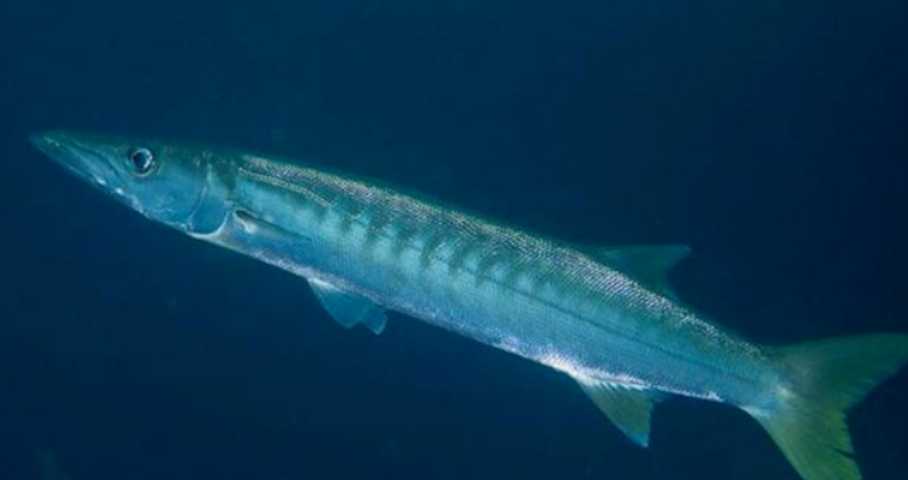
Stingrays: The Formidable Flatfish with a Lethal Defense
Stingrays, scientifically known as Dasyatidae, are cartilaginous fish renowned for their flattened bodies and whip-like tails. These marine creatures, which glide gracefully through the ocean, possess a hidden danger: some species sport one or more serrated venomous spines on their tails. With their distinctive wing-like pectoral fins undulating rhythmically, stingrays combine elegance with a lethal self-defense mechanism that commands caution from both predators and humans.
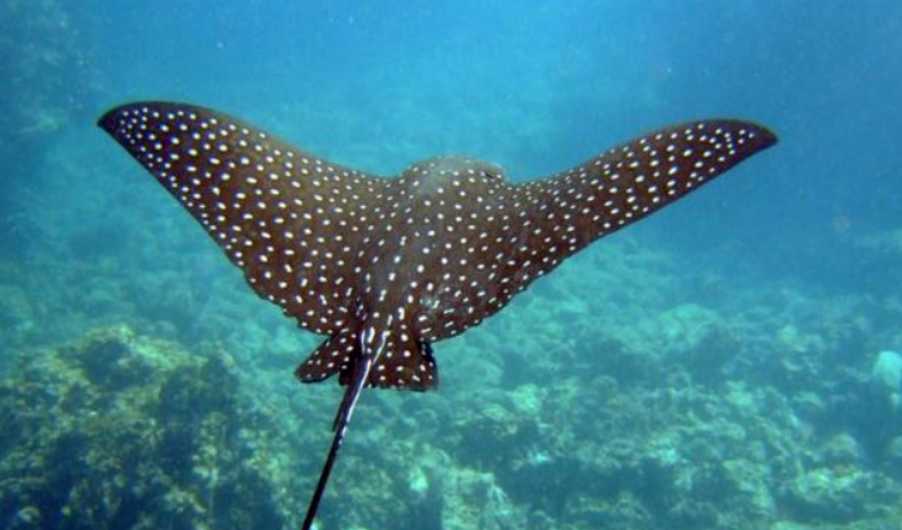
The Deadliest Predator in the Sea: Australia's Box Jellyfish
Considered the most venomous creature on Earth, box jellyfish (Chironex fleckeri) inhabit warm coastal waters worldwide, but none are more infamous than the Australian box jellyfish. With a bell-shaped body reaching up to 30 centimeters in diameter and trailing tentacles that can extend over 3 meters, this marine predator possesses a toxin so potent that a single individual’s stings can kill up to 60 adult humans. Its reign as the ocean’s silent killer is unmatched, blending transparency, speed, and lethality into a nightmare for swimmers and divers.
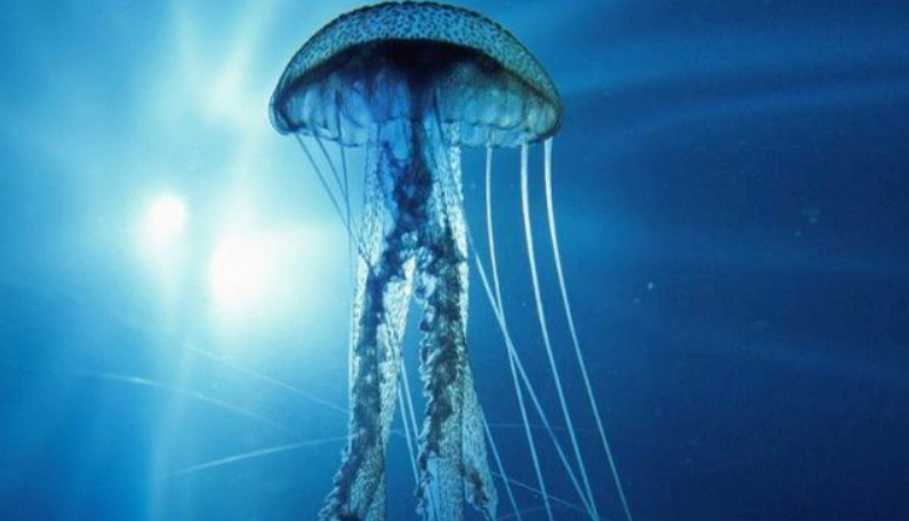
Epinephelus lanceolatus: The Majestic Giant of the Coral Reefs
Epinephelus lanceolatus, commonly known as the giant grouper or dragon grouper, is a colossal and iconic inhabitant of the Indo-Pacific oceans. Revered for its massive size and distinctive appearance, this species is the largest member of the grouper family, often reaching lengths of up to 2.7 meters and weights exceeding 400 kilograms. Its imposing presence and slow growth rate have earned it a legendary status both in marine ecosystems and among fishermen and seafood enthusiasts.
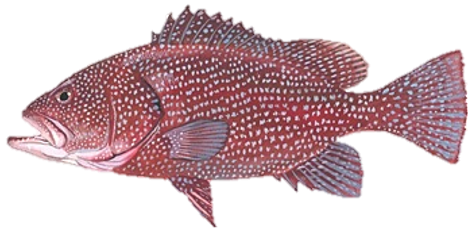
Pearl Grouper: The Hybrid Marvel Redefining Aquaculture and Marine Ecology
Pearl grouper, scientifically a hybrid of Epinephelus lanceolatus (giant grouper) and Epinephelus fuscoguttatus (brown-spotted grouper), is a captivating fish known by aliases such as dragon-tiger grouper or pearl 斑. Developed through selective breeding in Southeast Asian aquaculture, this hybrid combines the giant grouper’s robust size with the brown-spotted grouper’s vibrant patterns, resulting in a striking appearance: a muscular body adorned with dense, pearl-like spots over a grayish-brown backdrop, with faint tiger-like stripes on its head and fins.
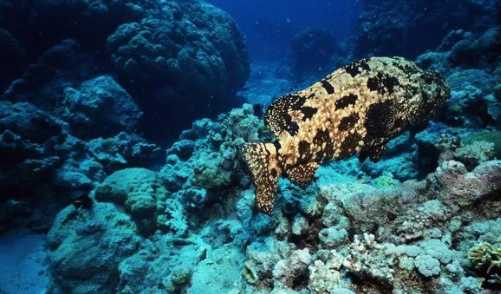
Epinephelus coioides: The Resilient "Green Grouper" of Tropical Waters
Epinephelus coioides, commonly referred to as the green grouper or blue-spotted grouper, is a prominent marine fish species inhabiting the tropical and subtropical waters of the Indo-Pacific region. Renowned for its distinctive appearance and ecological significance, this grouper has earned its nickname "green grouper" from its olive-green to grayish body, adorned with irregular blue or black spots that serve as effective camouflage against coral reefs and rocky seabeds. As a medium-sized grouper, it typically reaches lengths of 60–80 centimeters,though larger specimens can exceed 1 meter
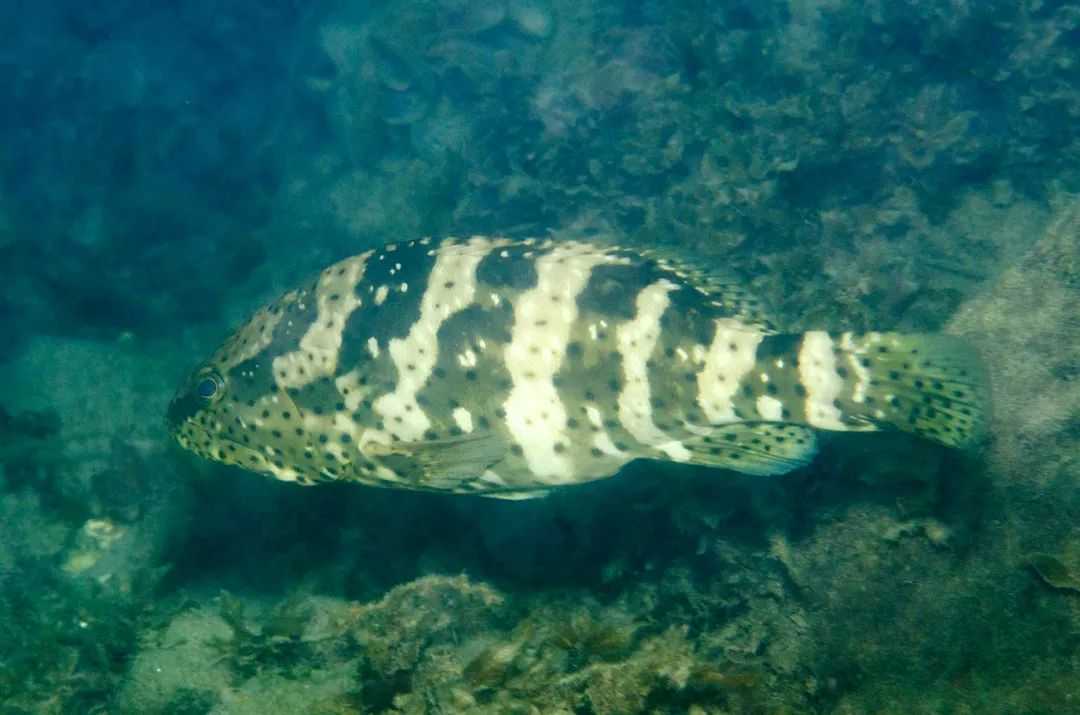
Epinephelus tukula: The Regal "Money Grouper" of the Indo-Pacific
Epinephelus tukula, commonly known as the money grouper or blackspot grouper, is a majestic marine species that commands attention across the tropical waters of the Indo-Pacific. Named for the large, dark blotches resembling ancient coins that adorn its iridescent blue to grayish body, this fish combines striking aesthetics with ecological significance. Growing up to 1.2 meters in length and weighing over 50 kilograms, E. tukula ranks among the most iconic groupers, prized both for its role in reef ecosystems and its value in the seafood trade.
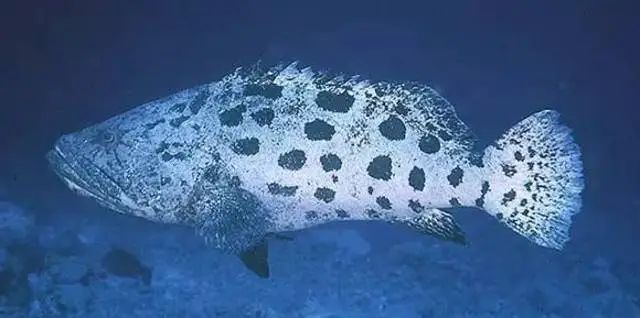
Plectropomus leopardus: The Striking "East Star Grouper" of Tropical Reefs
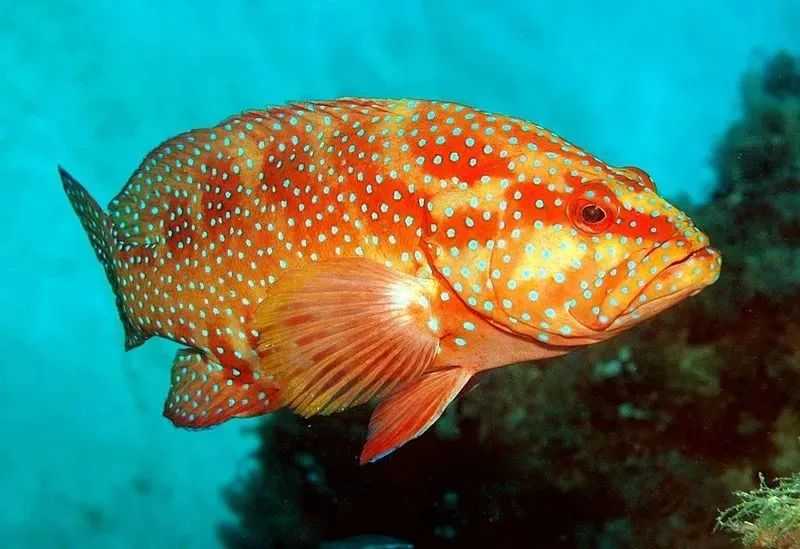
Plectropomus leopardus, commonly known as the East Star grouper, is a visually arresting marine fish renowned for its vibrant colors and distinctive patterns. Belonging to the family Serranidae, this species inhabits the coral reefs of the Indo-Pacific region, captivating both divers and seafood connoisseurs with its appearance and culinary value. Its name stems from the leopard-like spots and intricate patterns that adorn its body, creating a mesmerizing display against the backdrop of underwater landscapes.