

Sea Animals


1 minute read

The Magnificent Humpback Whale: Gentle Giants of the Ocean

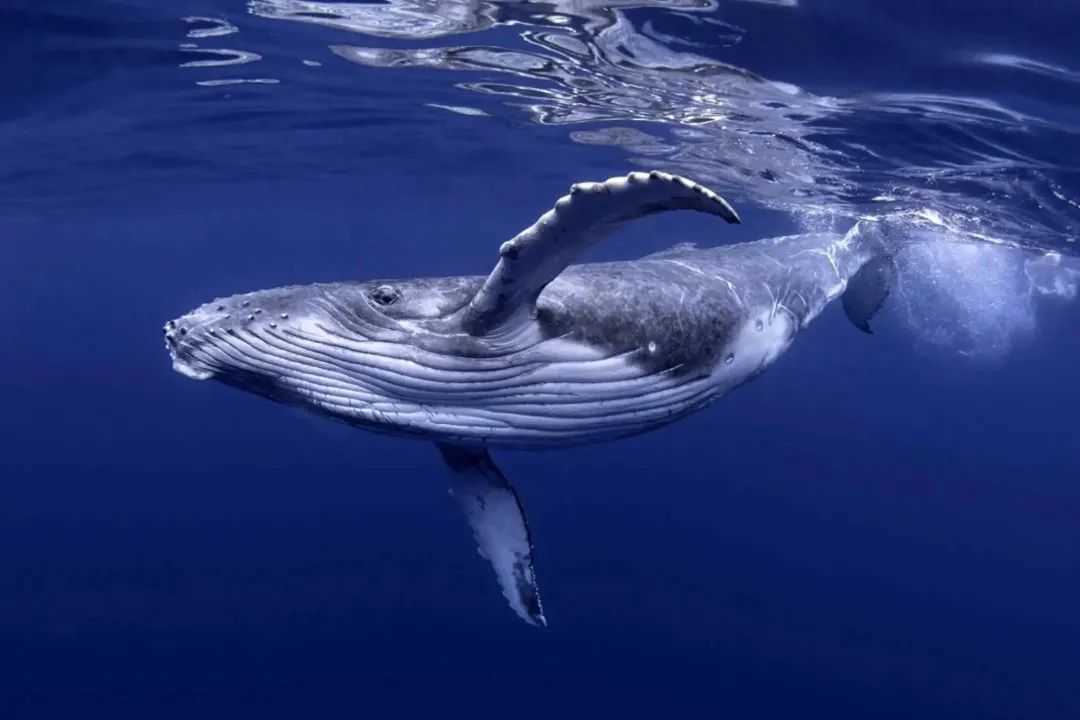
Reaching up to 15 meters in length, humpback whales (Megaptera novaeangliae) are among the most iconic and awe-inspiring creatures in Earth’s oceans. Often speculated to be the inspiration behind the mythical "Kun" — a giant fish-like creature from ancient Chinese legends — these marine mammals command attention with their massive size and distinctive appearance. When floating at the surface, their barnacle-covered skin and rugged features give them the guise of a drifting island, a sight that blends majesty with a touch of primal mystery.
The Magnificent Humpback Whale: Gentle Giants of the Ocean
1 minute read

Sperm Whales: Titans of the Deep with Complex Lives

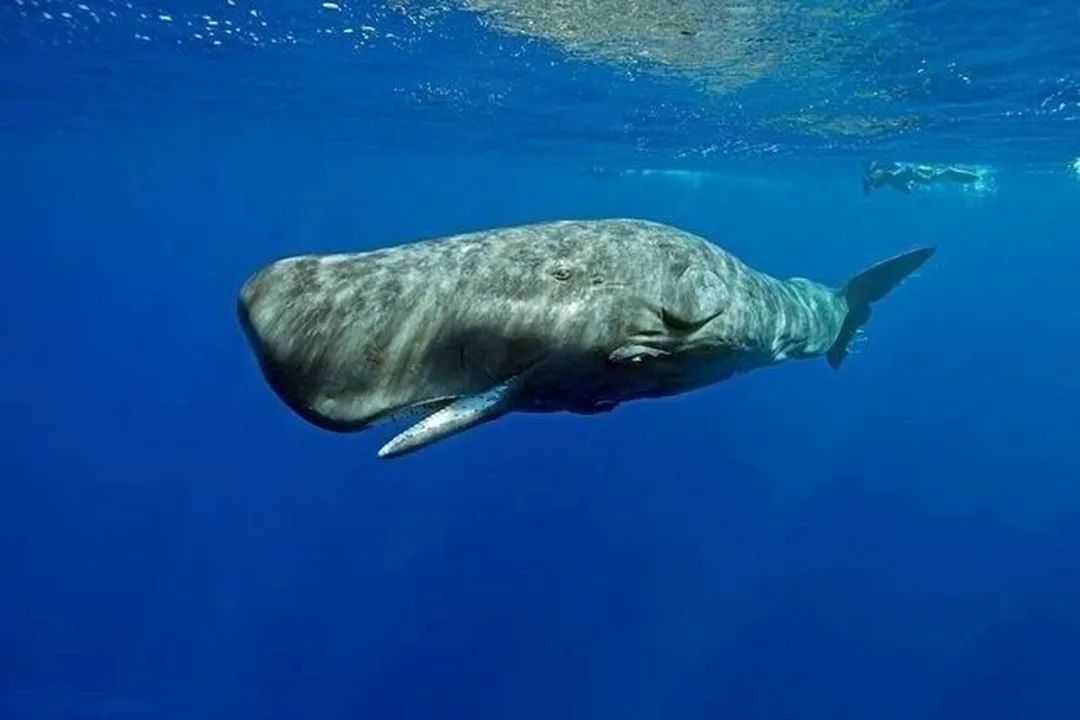
Growing up to 16 meters in length, sperm whales (Physeter macrocephalus) are defined by their enormous heads, which make up nearly one-third of their body size. These marine giants dominate the deep ocean, blending imposing physiology with a sophisticated social structure that has fascinated scientists for decades. From their coordinated hunting strategies to their mysterious resting behaviors, they embody the ocean’s enigmatic power.
Sperm Whales: Titans of the Deep with Complex Lives
1 minute read

Livyatan melvillei: The Prehistoric Sea Predator That Ruled the Oceans

Measuring up to 17 meters in length, Livyatan melvillei, a close relative of modern sperm whales, roamed the oceans around 13 million years ago. With a body shape reminiscent of its contemporary kin, this ancient marine mammal may have looked somewhat familiar, but its predatory habits set it apart as a fearsome force in the prehistoric seas.
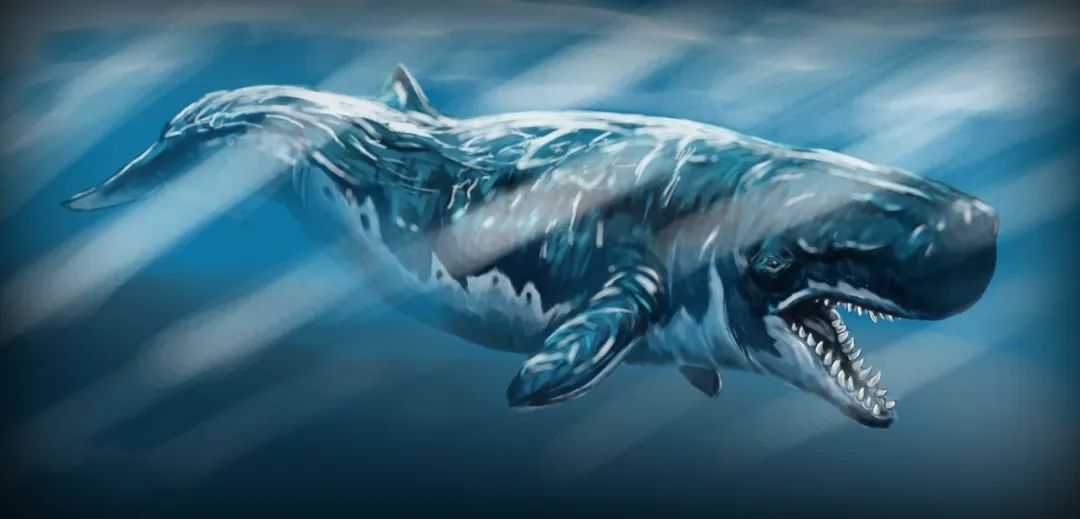
Livyatan melvillei: The Prehistoric Sea Predator That Ruled the Oceans
1 minute read

Leedsichthys: The Gentle Giant of the Prehistoric Seas

Swimming through the oceans over 160 million years ago during the Jurassic period, Leedsichthys was a colossal bony fish that dominated its aquatic realm. Stretching over 17 meters in length, this prehistoric behemoth dwarfed most marine creatures of its time, yet its survival relied not on aggression but on unique adaptations that made it a passive giant of the deep.
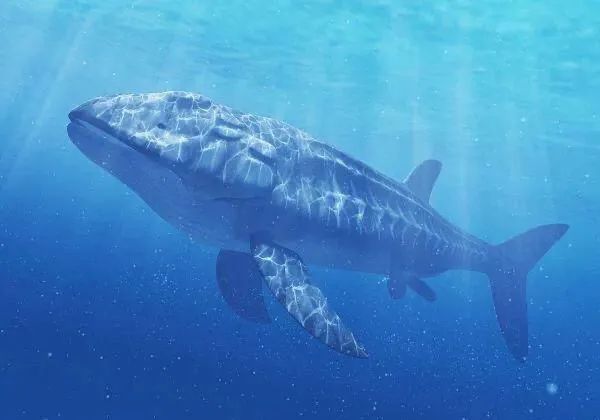
Leedsichthys: The Gentle Giant of the Prehistoric Seas
1 minute read

Megalodon: The Unmatched Apex Predator of Prehistoric Seas

Stretching over 18 meters in length, Megalodon (Carcharocles megalodon) ruled the oceans alongside Livyatan melvillei approximately 23 to 3.6 million years ago. Renowned as the creature with the most powerful bite force ever recorded—exceeding 30 tons—this colossal shark dwarfed even its massive whale counterpart in size and weight, solidifying its status as the ultimate marine predator of its era.
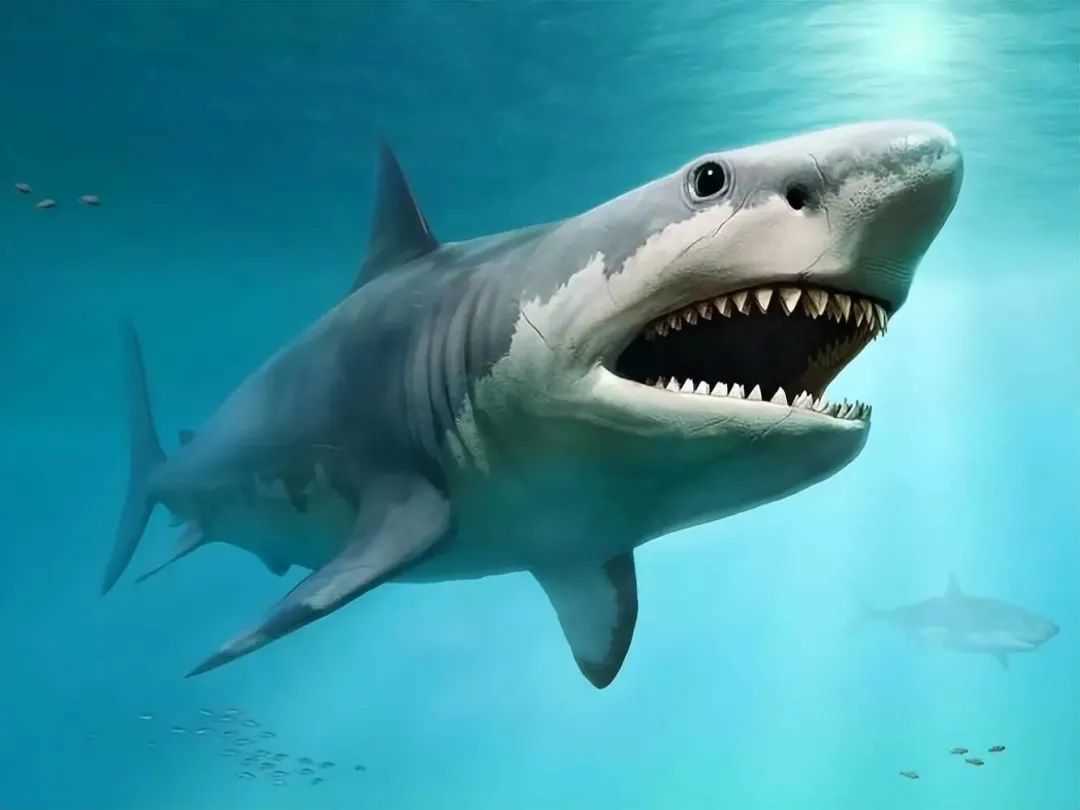
Megalodon: The Unmatched Apex Predator of Prehistoric Seas
1 minute read

Basilosaurus: The Prehistoric Whale That Dominated Ancient Seas

Stretching over 20 meters in length, Basilosaurus stands as a legendary ancestor of modern whales and the undisputed ruler of oceans 30 million years ago during the Eocene epoch. Often referred to as the "king of whales," this colossal marine reptile-turned-mammal combined an imposing physique with unique hunting strategies, making it a formidable force in its prehistoric ecosystem.

Basilosaurus: The Prehistoric Whale That Dominated Ancient Seas
1 minute read

The Festive Wonders of the Reef: Christmas Tree Worms

Contrary to their name, Christmas tree worms (Spirobranchus) are not corals but fascinating marine annelids that form symbiotic relationships with hard corals. These tube-dwelling polychaete worms, belonging to the phylum Annelida, are widely distributed in tropical oceans, where their vibrant, spiral-shaped structures add a touch of whimsy to coral reefs. Their common name stems from their striking resemblance to miniature, underwater Christmas trees.
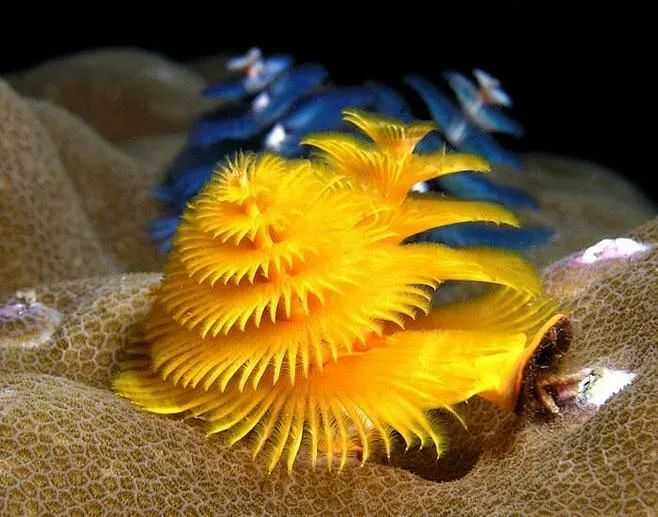
The Festive Wonders of the Reef: Christmas Tree Worms

Latest Stories
Travel News2 minute readNestled in the French Pre-Alps, the Plateau du Vercors stands as a testament to nature’s raw power and humanity’s indomitable spirit. Rising abruptly from the valleys of Isère, this limestone plateau—dominated by peaks like Grand Veymont (2,346 meters)—features sheer cliffs and labyrinthine gorges that earned it the nickname "the Natural Great Wall". Its dramatic landscapes, shaped over millennia by erosion, have not only sculpted a geological marvel but also forged a theater of historical significance.
Cultural News1 minute readSpain’s tomato-throwing "La Tomatina" is wildly popular, but for those who prefer hurling something tangier, head to Italy in February. At the Ivrea Carnival, thousands of ripe oranges are pelted in a juicy battle during the festival’s highlight.
Cultural News1 minute readIn Wuppertal, Germany, there’s a pedestrian bridge that looks like it’s built from giant Lego bricks. Though it’s actually a concrete structure, artists have painted it to mimic the iconic toy blocks, creating a playful optical illusion.
Feline News2 minute readThe European Burmese cat, a breed born from careful crossbreeding in mid-20th century Europe, has captivated cat enthusiasts with its elegant physique and affectionate nature. Originating from the American Burmese stock imported to the UK, European breeders sought to diversify the gene pool by introducing Siamese and British Shorthair bloodlines, resulting in a distinct feline with refined features. Recognized by major associations like the CFA since 2002, this breed stands out for its sleek, muscular build and striking golden or amber almond-shaped eyes, which contrast sharply with the rounde
Feline News2 minute readIn recent years, the Scottish Fold cat has become an internet sensation, celebrated for its distinctive folded ears and owl-like appearance. However, behind the adorable facade lies a dark reality rooted in genetic abnormality and ethical debate. This breed, born from a spontaneous mutation in a Scottish barn cat named Susie in 1961, has sparked global controversy over its health implications and breeding practices.
Feline News1 minute readOriginating from a spontaneous genetic mutation in 1950, the Cornish Rex emerged in Cornwall, England, when a cream-colored kitten named Kallibunker was born with a dense, wavy coat resembling a lamb’s fleece1. Recognizing its uniqueness, owner Nina Ennismore collaborated with geneticists to establish the breed. Due to the recessive nature of the mutation, breeding two Cornish Rex cats guarantees curly-coated offspring13.
Health News1 minute readOn June 30, FBI Deputy Director Dan Bongino announced the dismantling of the largest healthcare fraud case in U.S. history, with revised to $14.6 billion. The investigation covered all 50 federal districts, indicting 324 individuals—including 96 medical practitioners—and seizing $245 million in assets.