
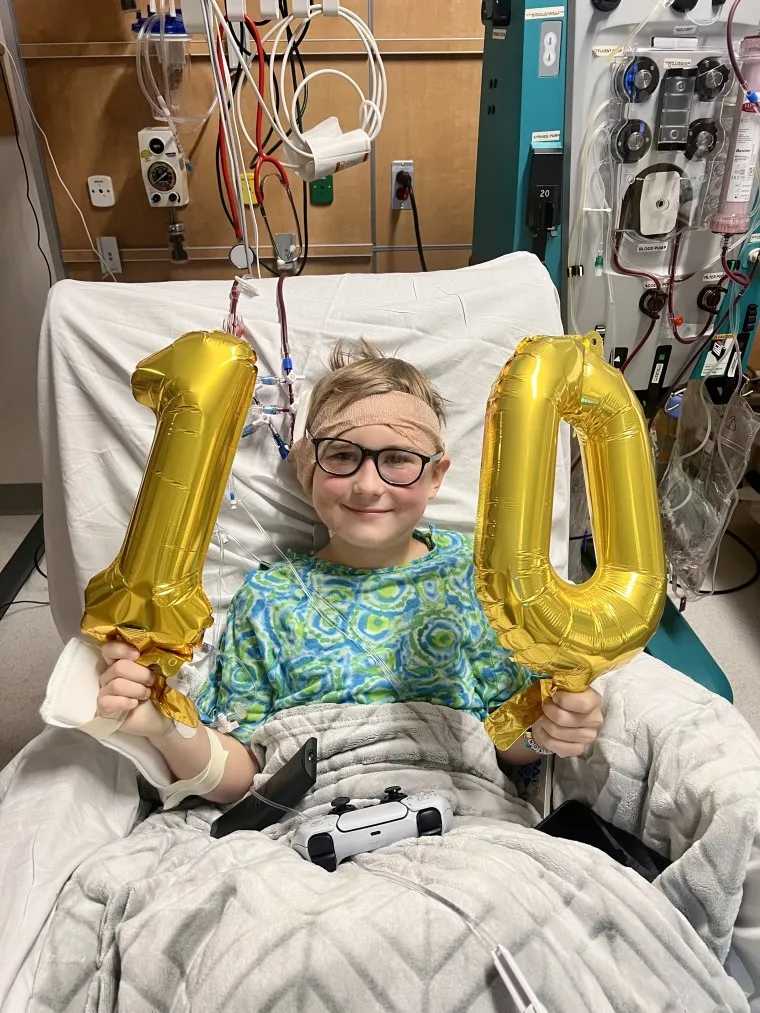
Recently, a large - scale E. coli outbreak in the United States has affected 15 states, resulting in one death and dozens of illnesses. A 9 - year - old boy nearly died of kidney failure. Despite the severity of the outbreak, the US Food and Drug Administration (FDA) has failed to disclose detailed information in a timely manner, which has attracted public attention.
According to NBC, the outbreak is related to E. coli O157: H7, and this large - scale food poisoning incident is closely associated with the contamination of Romaine lettuce by E. coli O157: H7. Many patients have stated that their symptoms are related to this type of salad. The FDA has confirmed that a series of food service companies are involved in this incident, but it has not revealed which companies are involved, nor has it disclosed the specific farms and processing plants related to the contamination.
Frank Yiannas, a former deputy director of the FDA, said that the failure to disclose specific information is an extremely irresponsible act, as it will prevent the public from knowing the source of the outbreak, thereby leading to the recurrence of similar problems. The FDA's concealment has sparked a strong reaction from the public and food safety advocates. According to informed sources, due to the Trump administration's reduction of a large number of food - safety - related staff in the process of downsizing the federal government, the federal government's ability to disseminate information on food - borne diseases has been greatly weakened. Taryn Webb, who used to work at the FDA, pointed out that without these professionals, the prevention and control of and response to similar outbreaks will face greater difficulties in the future.
In addition, the FDA has postponed the important federal legislative process. The new regulations require food companies and stores to quickly trace and remove contaminated food when an outbreak occurs. Although this move is obviously reasonable, the FDA said that the postponement of legislation is to ensure better implementation of the regulations.
Most of the patients in this outbreak are customers who have eaten contaminated lettuce. Although Taylor Farms, a food company, is one of the largest suppliers of salads and cut vegetables in the United States and is suspected by civilian investigation teams to be the source of the outbreak, Taylor Farms has denied that its products are related to this outbreak. Taylor Farms said that all its products have been investigated by a third - party organization, and there is no evidence that its lettuce has caused this food poisoning.
Source: Images from the Internet, if there is any infringement, please contact the removal of
Although the sale of lettuce has been stopped, the victim's families are still angry about the FDA's concealment of information. Some families have revealed that they still need to pay about $20,000 in medical expenses during their son's recovery, and they believe that the public has the right to know the truth about the outbreak. The victim's families emphasized that "it is unfair to let these companies escape responsibility. Consumers are still buying food every day, but they have no way of knowing the truth behind it."
According to the FDA's epidemic report, investigators have begun to conduct genetic fingerprint analysis on the food service companies involved, but the specific conclusions of the investigation have not been made public. The local public health department initially found 115 related cases and traced the possible source of the outbreak. However, due to the FDA's lack of in - depth investigation, there is widespread public doubt about the government's dereliction of duty in food safety supervision.