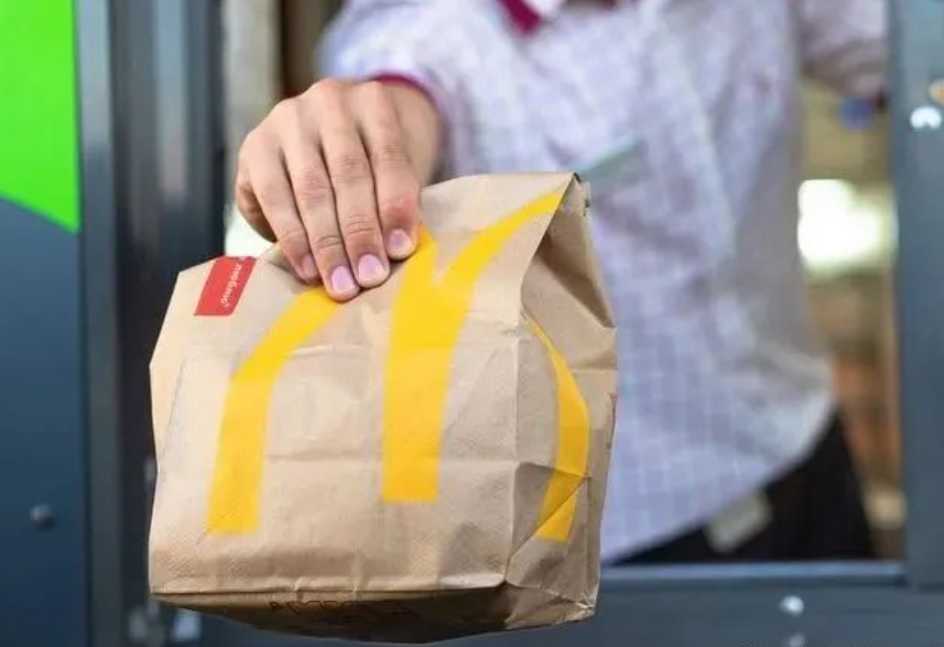
McDonald’s Drive-Thru: Born from Military Needs


Cultural News
McDonald’s Drive-Thru: Born from Military Needs

The first McDonald’s drive-thru window opened in Sierra Vista, Arizona, driven by a specific military requirement: soldiers from a nearby camp were barred from entering public places in uniform. To accommodate them, the restaurant’s manager cut a window in the wall, allowing soldiers to buy meals without leaving their vehicles.


This convenient solution quickly gained traction, spreading to other locations. What began as a practical workaround for military personnel evolved into a staple of fast-food culture, revolutionizing how people access quick meals worldwide.


The drive-thru’s origin highlights how real-world needs spark innovation, turning a localized fix into a global phenomenon that continues to shape the fast-food industry’s operations and customer experience.

Latest Stories
Feline News2 minute readThe Himalayan cat, a captivating fusion of Persian and Siamese genetics, has enchanted cat enthusiasts worldwide with its striking blue eyes and luxurious coat. Bred since the 1930s, this breed gained official recognition in 1957 when breeders Ben and Ann Borrett debuted their specimens at a cat show, setting standards adopted by organizations like the CFA . Nicknamed "Himmies," these cats balance elegance with affectionate charm, though their popularity demands careful attention to health and grooming.
Feline News1 minute readReportedly, the Dwelf cat, an emerging and distinctive feline breed, is gaining attention from cat enthusiasts worldwide due to its highly recognizable appearance and gentle temperament. This unique breed is a result of careful crossbreeding between the Sphynx, Devon Rex, and American Curl, combining the typical characteristics of these three breeds.
Feline News1 minute readThe European Shorthair, a beloved feline breed with deep roots in Europe, has charmed cat enthusiasts for centuries. Renowned for its robust build, short dense coat, and friendly demeanor, this breed stands out as a versatile and adaptable companion.
Feline News1 minute readAsia, a cradle of diverse feline heritage, has given the world some of the most beloved cat breeds, each boasting unique traits shaped by centuries of regional culture and environment. These breeds, celebrated for their distinct appearances and personalities, continue to captivate cat enthusiasts worldwide.
Health News1 minute readA mysterious and highly lethal disease is sweeping through the Democratic Republic of the Congo (DRC), with patients succumbing within 48 hours of symptom onset, prompting urgent global health alerts. The World Health Organization (WHO) has declared the outbreak a "major public health threat," as cases continue to surge across remote regions of Equateur Province. As of late February 2025, the crisis has escalated to 1,096 confirmed cases and 60 deaths, with a mortality rate of approximately 5.5% .
Feline News2 minute readThe Oriental Shorthair, a breed celebrated for its striking elegance and dynamic personality, traces its origins to mid-20th century breeding programs in the UK and the US2. Developed as a close relative of the Siamese, these cats emerged from intentional crossbreeding with British Shorthairs and Abyssinians to create a feline with the Siamese’s sleek physique but expanded coat color possibilities28. By the 1970s, the breed gained international recognition, captivating cat lovers worldwide with its unique charm.
Feline News2 minute readThe Maine Coon, often hailed as the "gentle giant" of the cat world, is a breed that captivates with its imposing size, striking appearance, and affectionate demeanor. Originating in the U.S. state of Maine, these regal felines have a rich history intertwined with myths and legends, from tales of Viking settlers bringing Norwegian Forest Cats to New England to claims of descent from Marie Antoinette’s cherished pets 37. While genetic studies indicate their roots lie in Western European domestic cats brought by Puritan settlers in the 17th–18th centuries, their enigmatic past only adds to their