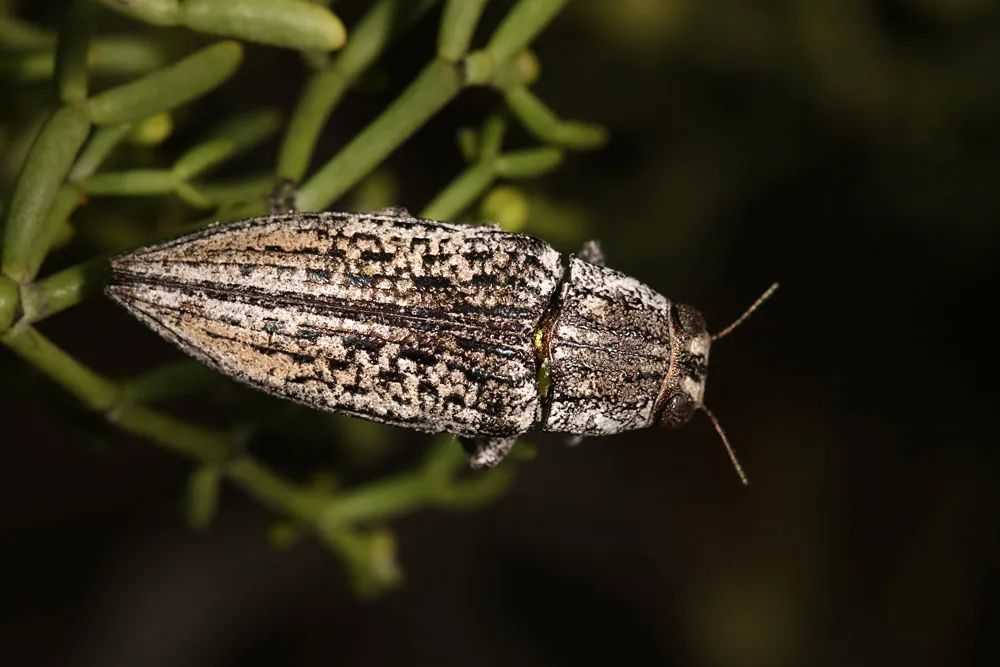
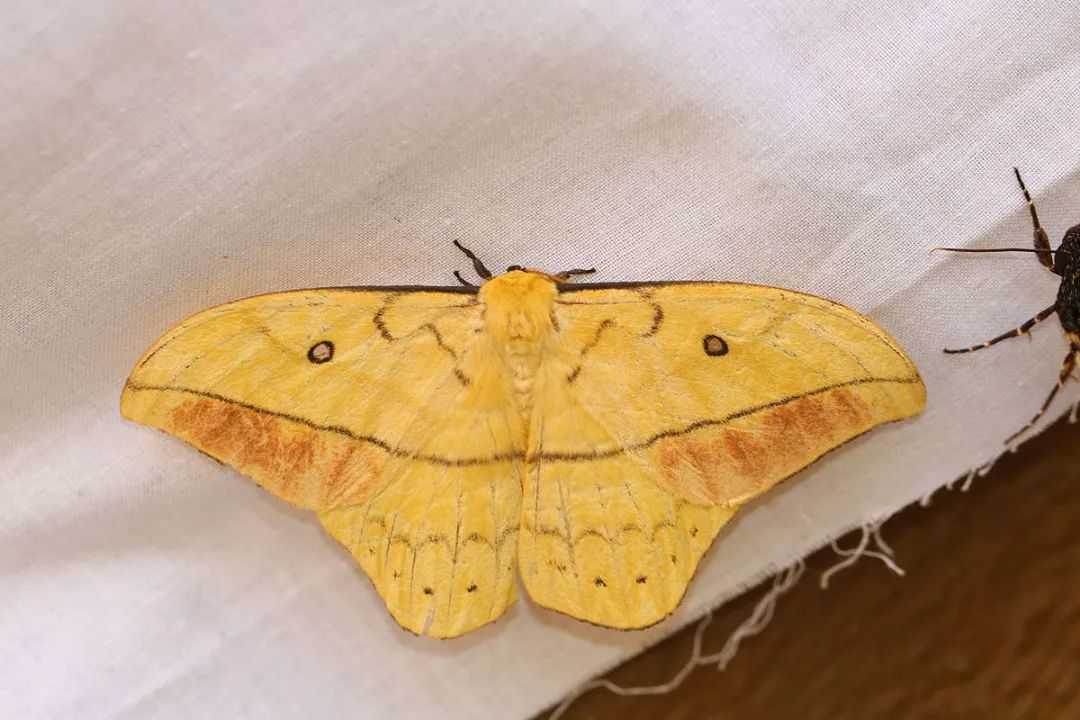
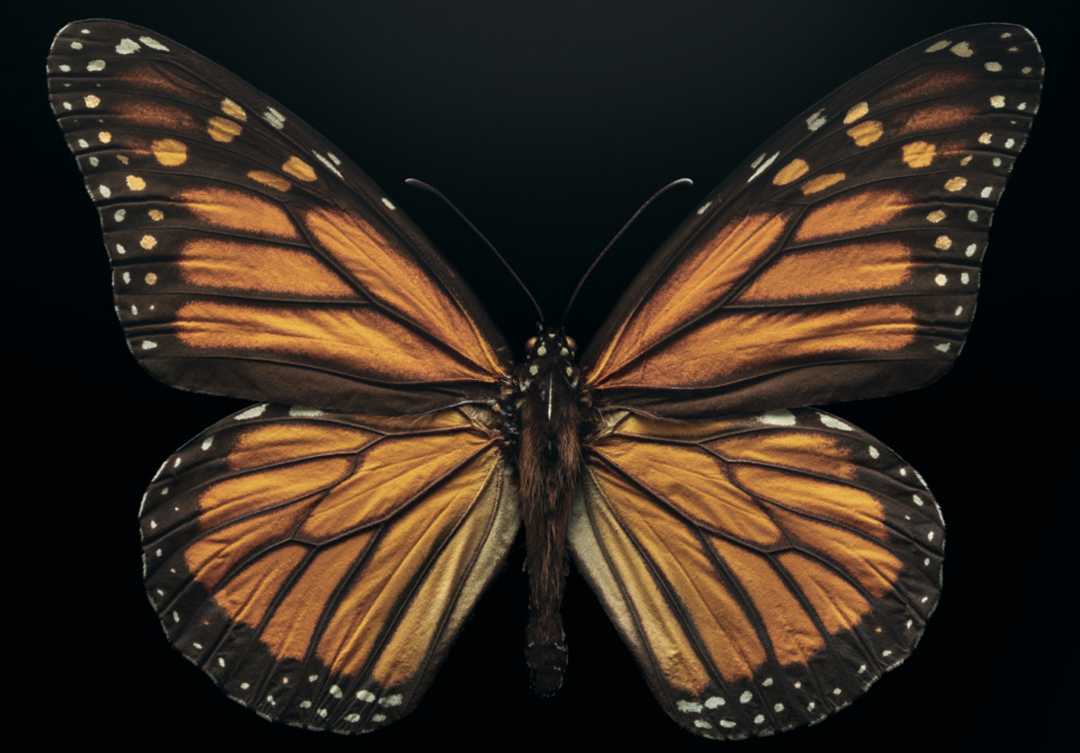
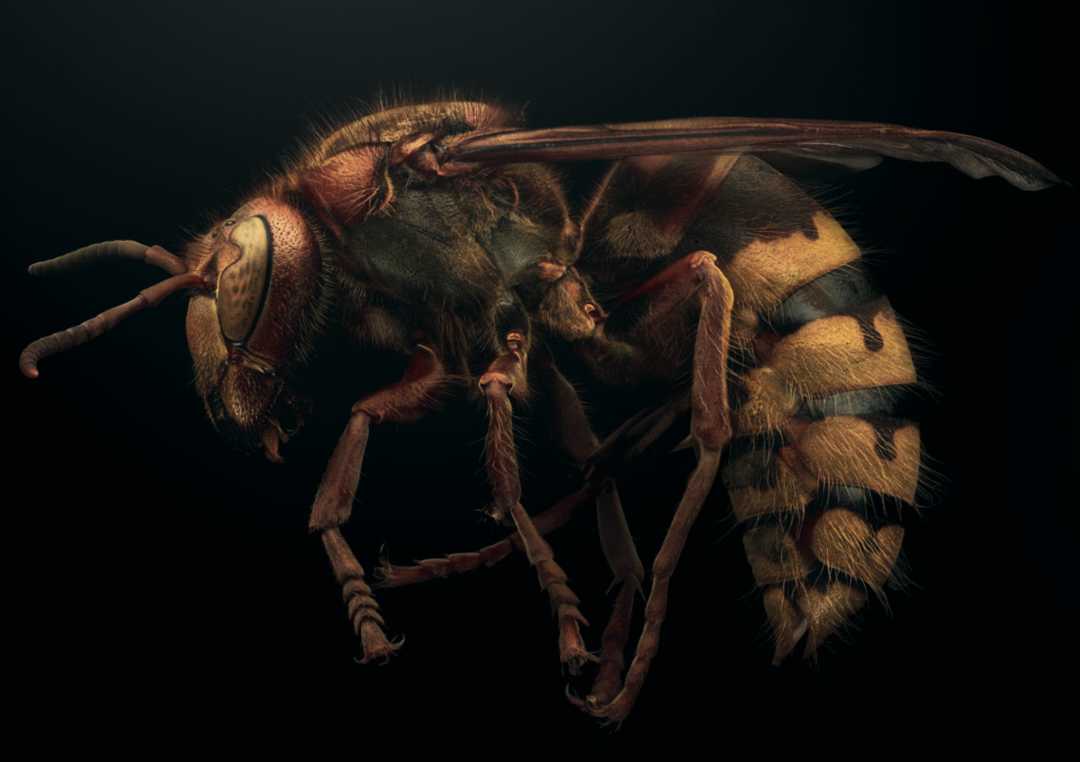
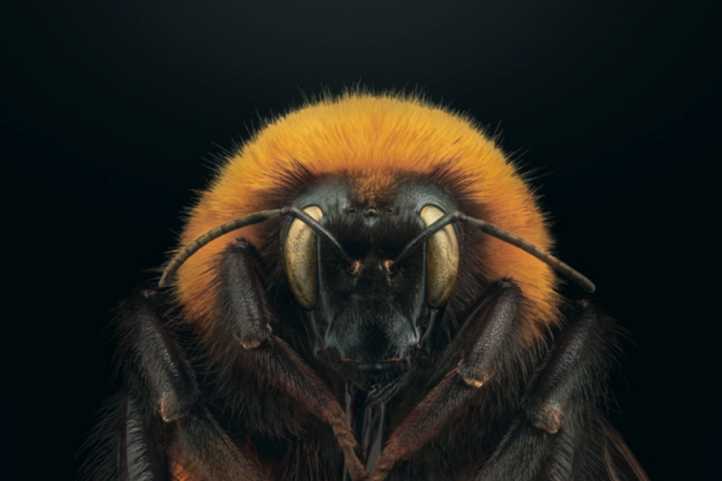
The Banded Dark Fishfly: Nigronia fasciata
The banded dark fishfly, scientifically known as Nigronia fasciata, is a member of the family Corydalidae within the order Megaloptera. Here is a detailed account:
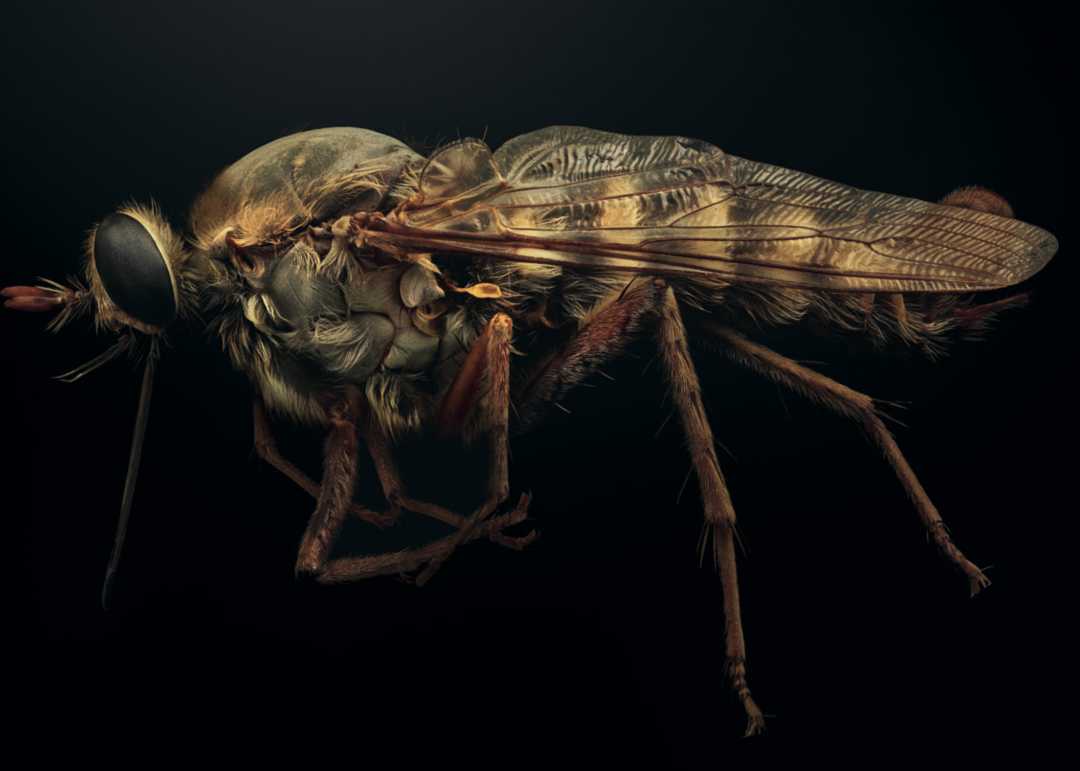
Spittlebugs: Nature's Mighty Jumpers and Foam - Nest Builders
Spittlebugs, remarkable for their athletic leaping abilities, rank among the strongest jumping insects on the planet. These tiny arthropods, belonging to the family Cercopidae, blend plant - feeding habits with a unique parental strategy, making them a fascinating subject in entomology.
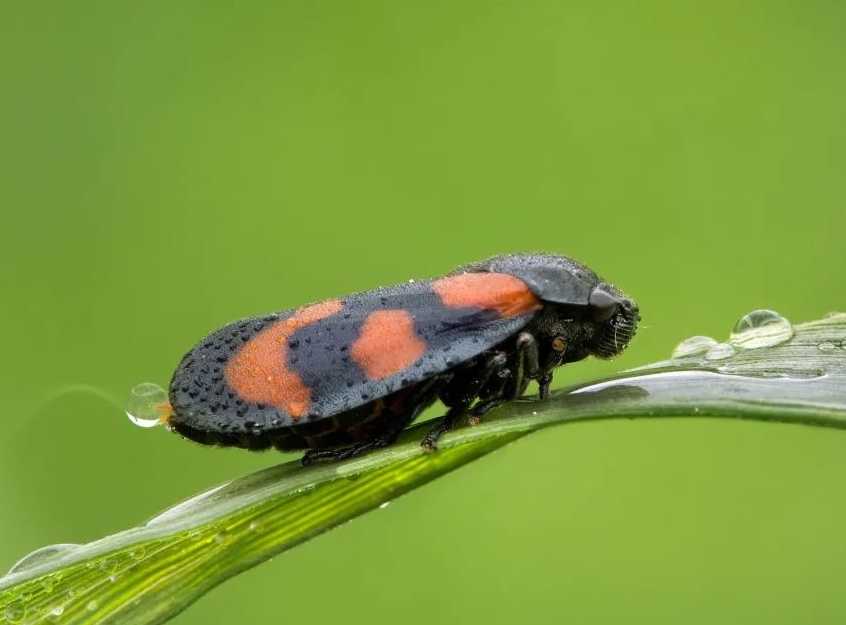
Cicadas: The Resonant Insects of Temperate to Tropical Climes
Cicadas, iconic insects inhabiting temperate to tropical regions worldwide, are renowned for their deafening calls—and often reviled for the noise that earns them a reputation as bothersome pests. These arthropods, belonging to the family Cicadidae, blend distinctive physical traits with a life cycle that spans years underground before their brief, noisy emergence.
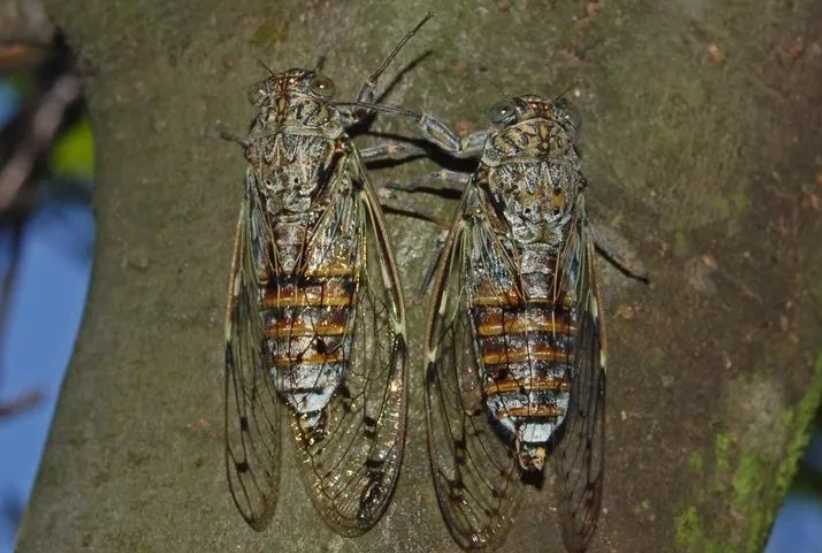
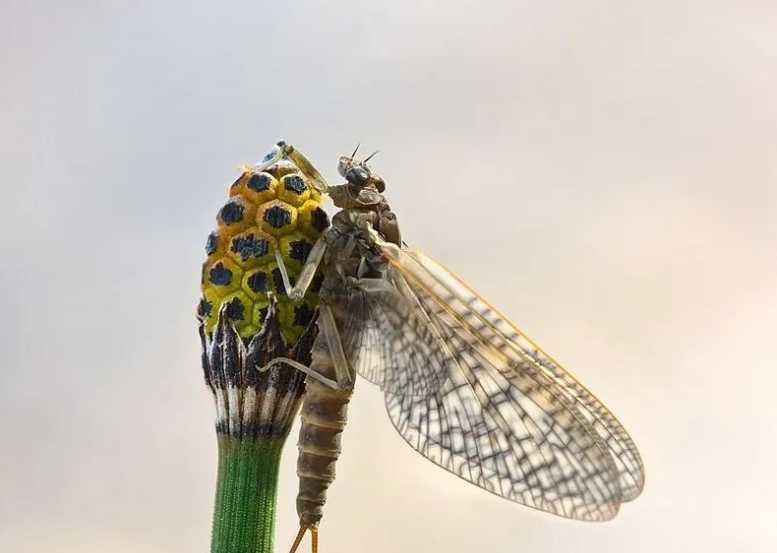
Mayflies: Nature's Ephemeral Wonders with a One - Day Legacy
Mayflies, renowned as the insects with the shortest adult lifespan, live for just a single day, a fleeting existence that has captivated scientists and poets alike. These ancient winged creatures, belonging to the order Ephemeroptera, are among the most primitive flying insects, retaining evolutionary traits that hark back to prehistoric times.
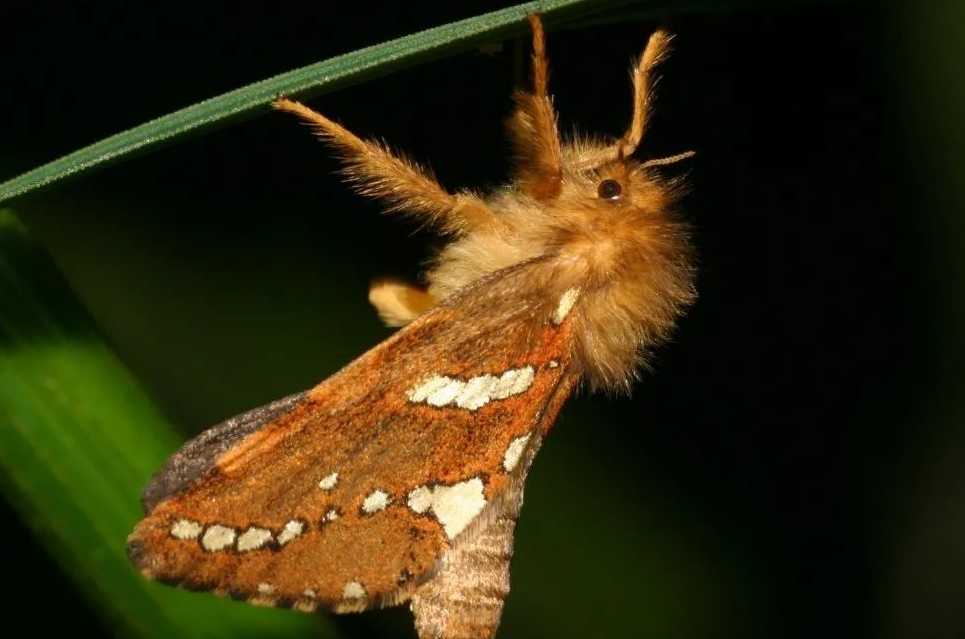
Bat Moths: A Diverse and Prolific Insect Group
Bat moths belong to the genus Hepialus in the family Hepialidae. They are a group of insects with remarkable reproductive capabilities. A female bat moth can lay more than 2,900 eggs, which is quite prolific among insects.
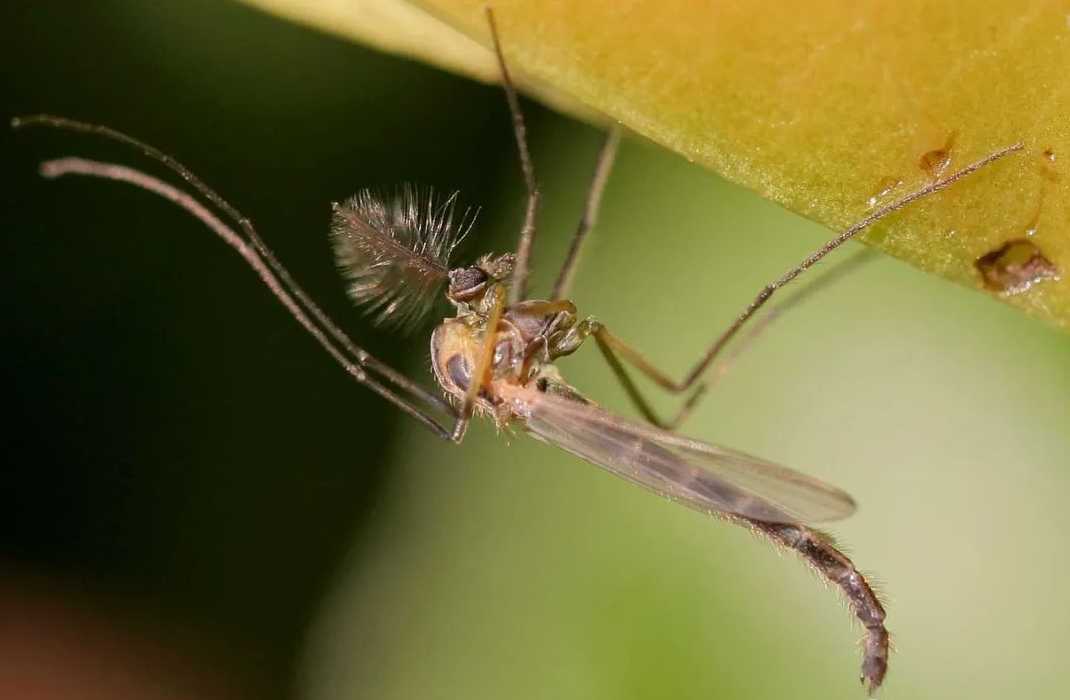
Chironomids: The High - Speed Wing Beaters of Aquatic Ecosystems
Chironomids, commonly known as non - biting midges, rank among nature’s most astonishing wing beaters, with estimates showing they can flap their wings up to 63,000 times per minute. This incredible frequency, almost too rapid for the human eye to track, highlights their unique adaptation to aquatic environments. Yet their physiological resilience is even more remarkable: when the wing tips are truncated and they’re placed in a warm environment of 99°F (约 37.2°C), their wing beats can surge to a staggering 130,000 times per minute, a testament to their muscular and neural efficiency.
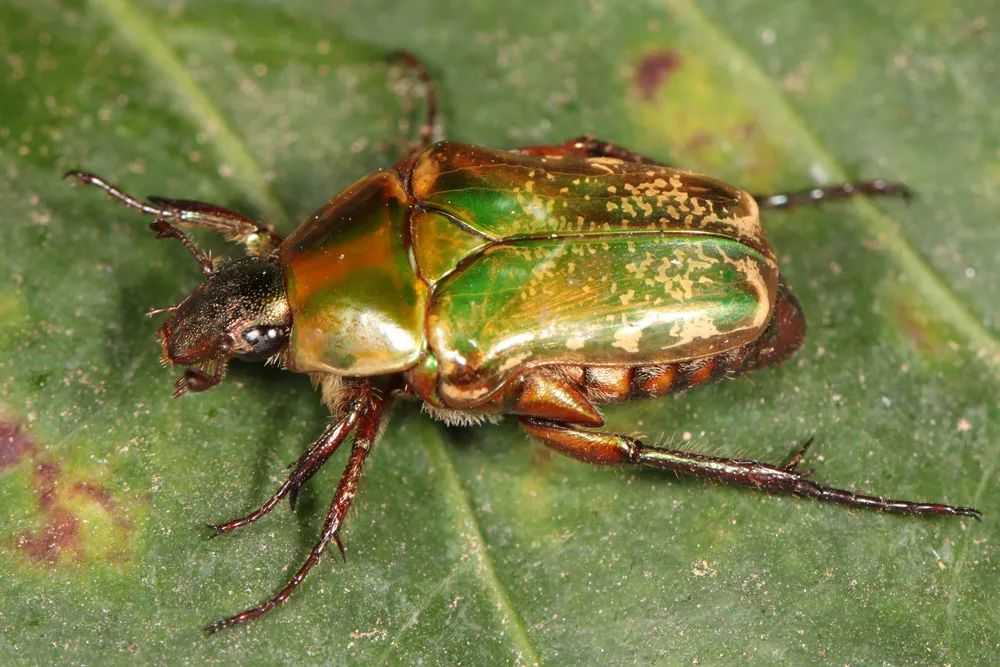
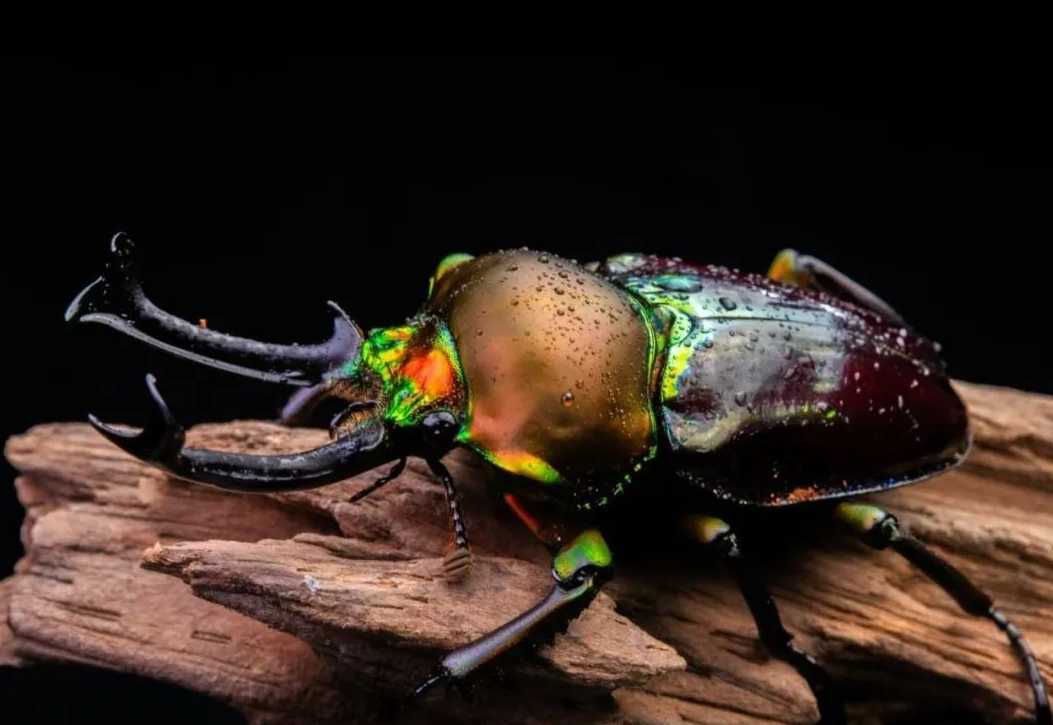
The Rainbow Stag Beetle (Phalacrognathus muelleri): Nature's Living Jewel
The rainbow stag beetle, Phalacrognathus muelleri, is a biological marvel renowned for its iridescent metallic hues that rival precious gems. Native to the forests of Australia and New Guinea, this coleopteran species has captivated entomologists and pet enthusiasts alike with its structural coloration—a phenomenon produced by microscopic wing surface ridges that refract light into a spectrum of blues, purples, golds, and greens.
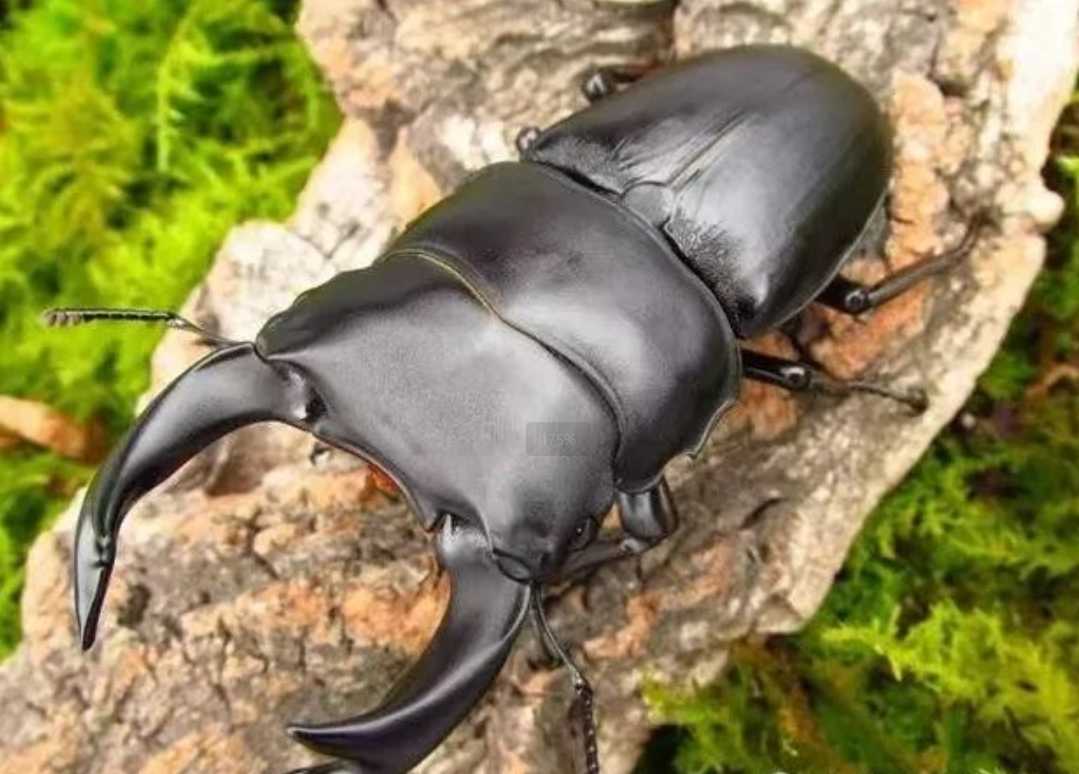
The Stag Beetle (Lucanidae): Nature's Antlered Warriors and Silent Engineers
Stag beetles, members of the family Lucanidae, are iconic insects celebrated for their dramatic sexual dimorphism—nowhere more evident than in the antler-like mandibles of males, which can exceed body length in some species. With around 1,200 known species globally—50 of which are endemic to Taiwan—these beetles blend martial prowess with ecological utility, thriving in forest ecosystems where their larvae feed on decaying wood.