UN Warns US Aid Cuts Could Lead to Millions of AIDS Deaths by 2029


Health News
UN Warns US Aid Cuts Could Lead to Millions of AIDS Deaths by 2029

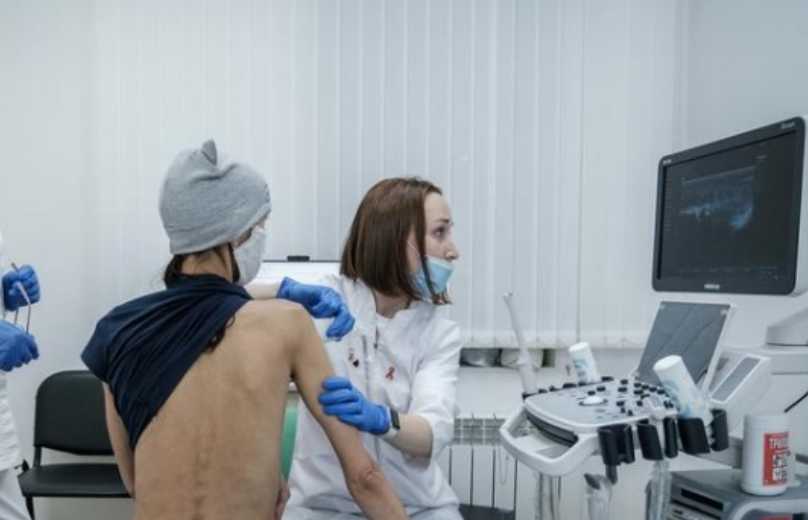
The United Nations has issued a stark warning that U.S. cuts to global AIDS funding could result in millions of preventable deaths by 2029, with vulnerable nations in Africa bearing the brunt of the crisis. The abrupt withdrawal of U.S. assistance, coupled with the dissolution of USAID and a shift toward a "trade-for-aid" policy, has already triggered catastrophic disruptions in critical healthcare programs across the continent .


In Liberia, clinics supported by U.S. funding have been left vacant, crippling access to essential medical services for communities heavily reliant on international aid . South Africa, a global leader in HIV research, has seen groundbreaking vaccine trials halted, including the HVTN 702 study, which aimed to develop a vaccine tailored to Southern Africa’s HIV subtypes . Meanwhile, Lesotho—home to the world’s second-highest HIV prevalence rate (30% of adults) —is on the verge of collapse as U.S. subsidies for antiretroviral drugs (ARVs) end, risking a resurgence of AIDS-related deaths and infections .


The crisis stems from the Trump administration’s decision to dismantle USAID, the U.S. agency responsible for managing over half of the country’s $61 billion annual foreign aid . By redirecting resources toward trade-centric initiatives, the U.S. has effectively severed funding for life-saving programs under the President’s Emergency Plan for AIDS Relief (PEPFAR), which previously supported 20 million people on ARVs globally .


UNAIDS estimates that if funding gaps remain unfilled, 6.3 million AIDS-related deaths and 8.7 million new HIV infections could occur by 2029 . The Lancet warns this could escalate to 14 million excess deaths by 2030, disproportionately affecting children and adolescents .


"These cuts are not just financial—they’re a death sentence for millions," said UNAIDS Executive Director Winnie Byanyima. "Countries like Lesotho, where 60% of hospital admissions are HIV-related, simply cannot survive without sustained international support" .


Kenya’s Health Minister echoed this urgency, emphasizing that Africa’s healthcare systems—already strained by underfunding and workforce shortages—cannot absorb such shocks. "The U.S. shift toward trade conditionalities ignores the reality that many nations lack the infrastructure to meet these demands," he stated .


The crisis underscores the fragility of global health security. While some countries like Nigeria and Kenya are exploring alternative funding models, experts stress that immediate international intervention is critical to prevent a generational setback in AIDS 防控. As Byanyima concluded, "This is a test of our collective humanity. Will we let politics dictate who lives and who dies?"
Latest Stories
Feline News2 minute readThe Oriental Longhair, a breed celebrated for its elegance and intelligence, traces its roots to mid-20th-century breeding programs aimed at expanding the color and pattern diversity of Siamese cats . Developed through crosses with breeds like Russian Blues and British Shorthairs, these cats gained recognition in the 1970s and were officially acknowledged by The International Cat Association (TICA) in 1979 and the Cat Fanciers' Association (CFA) in 1995 .
Feline News2 minute readThe Korat cat, originating from Thailand’s Nakhon Ratchasima province (formerly Korat), is a breed deeply rooted in history and cultural significance. Revered for centuries as a symbol of good luck and prosperity, these silver-blue felines have enchanted the world with their striking appearance and affectionate nature.
Feline News2 minute readA heartwarming tale of survival and companionship has thrust the Munchkin cat into the global spotlight, showcasing the breed’s unique charm and indomitable spirit. Mochi, an 8-month-old Munchkin rescued from a life-threatening illness, has become an international symbol of hope, embodying the resilience and playful nature that define these short-legged felines.
Travel News2 minute readPerched atop an 82-meter volcanic plug in Le Puy-en-Velay, France, the Chapelle Saint-Michel d’Aiguilhe stands as a testament to faith and engineering prowess. Built in 962 AD, this architectural marvel balances precariously on a basaltic rock formation, blending Romanesque austerity with Moorish-inspired ornamentation to create one of Europe’s most dramatic religious landmarks.
Feline News2 minute readRagamuffin cats, affectionately known as "muffins," have captured the hearts of cat lovers worldwide with their plush coats, docile personalities, and striking appearance. Originating in the United States in the 1990s, this breed emerged from a group of breeders seeking to expand the genetic diversity of Ragdoll cats. By crossing Ragdolls with Persians, Himalayans, and other long-haired breeds, they created a larger, more robust feline with a broader range of coat colors and patterns
Canine News2 minute readOriginating in the early 20th century, the American White Shepherd traces its lineage to the German Shepherd. Due to a recessive white coat gene, these dogs were long considered "flawed" in Germany and systematically culled from breeding programs12. However, North American breeders recognized their unique appeal and selectively developed them into a distinct breed, officially acknowledged by the United Kennel Club (UKC) in 199917
Canine News1 minute readAs the world's first operational vertical/short takeoff and landing (V/STOL) fighter jet, the British-developed Harrier, nicknamed the "Jump Jet," has left an indelible mark on aviation history through its groundbreaking design and combat prowess.