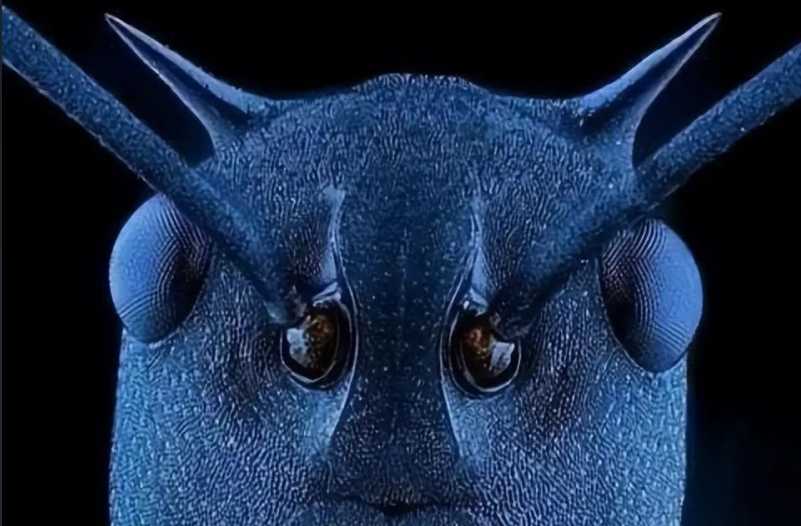
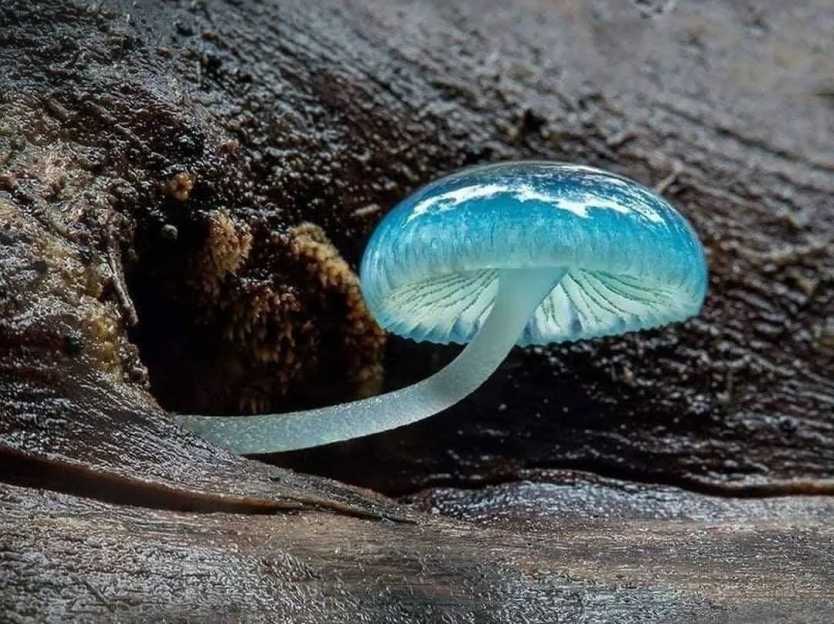
Crystal - clear Blue Mushrooms: A Captivating Natural Wonder
In nature, there exists a kind of crystal - clear blue mushroom that never fails to draw people's attention. The scientific name of this mushroom is Mycena interrupta, and it also goes by the aliases of Fairy - blue Mushroom and Sky - blue Mushroom. It belongs to the large fungi of the genus Mycena in the family Mycenaceae of the order Agaricales.
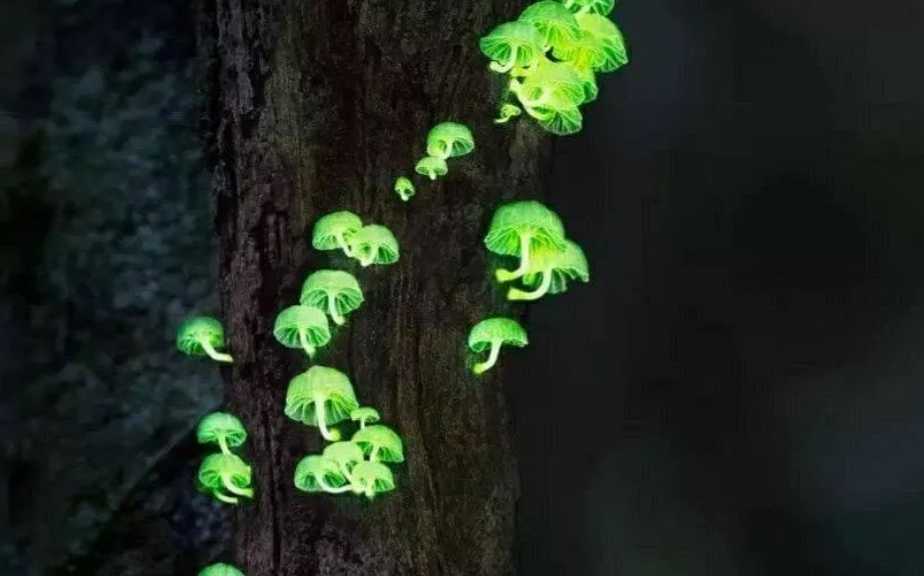
Mushrooms That Glow at Night: A Mysterious and Beautiful Natural Phenomenon
In the mysterious world of fungi, there exists a group of mushrooms with a unique ability - they can glow in the dark, creating a captivating and otherworldly scene.
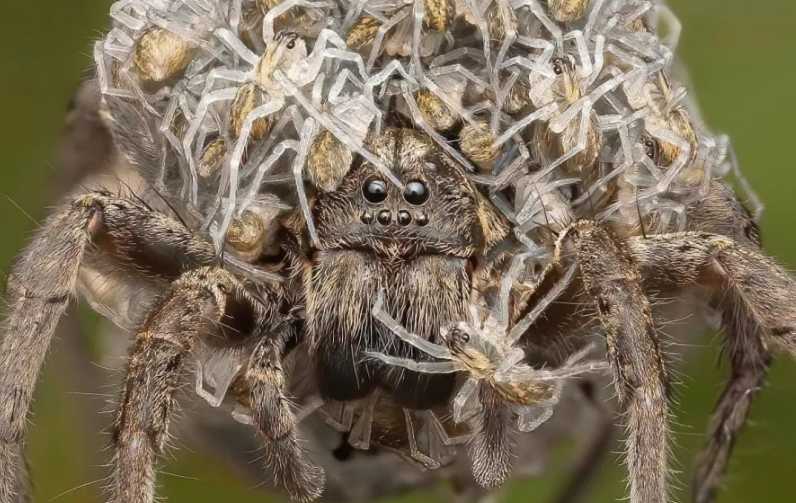
Wolf Spiders and Their Young: Nature’s Dedicated Mothers
Wolf spiders (Lycosidae) embody maternal dedication in the arachnid world, carrying their offspring with them in a manner that underscores the sacrifices of parenthood in the wild. Females of these ground-dwelling spiders spin silk egg sacs containing hundreds of eggs, which they attach to their spinnerets, literally towing the sac behind them as they hunt and move. This behavior ensures the eggs remain protected and oxygenated, a critical investment in their survival.
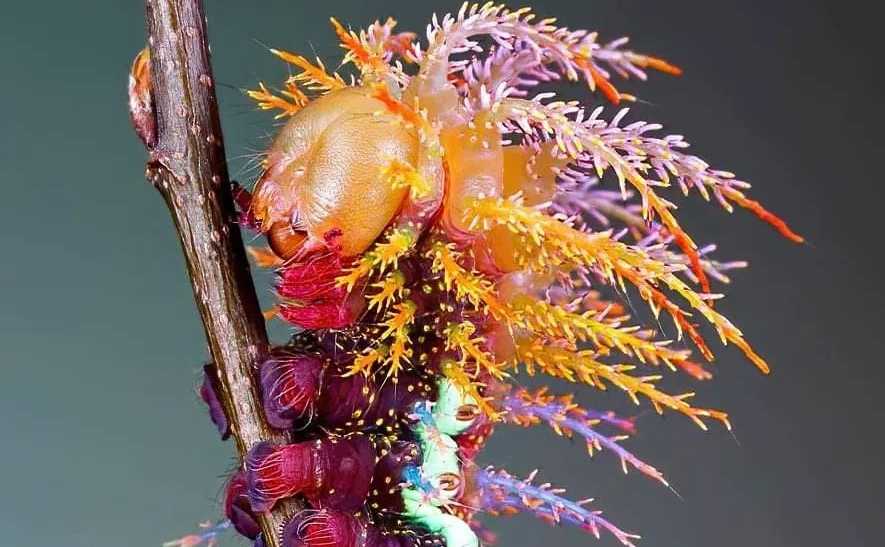
Vibrant Purple Caterpillar Sparks Wonder: What Will Its Butterfly Form Look Like?
A striking purple caterpillar recently spotted in a Costa Rican rainforest has captivated entomologists and nature enthusiasts alike. The creature, with its vivid hue and unique texture, has sparked curiosity about the transformation it will undergo into an adult butterfly.
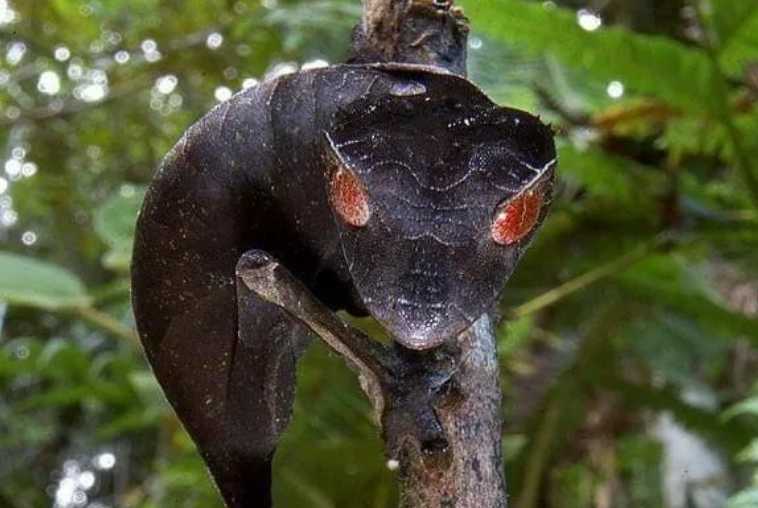
Satanic Leaf-Tailed Gecko: Nature's Master of Dead Leaf Mimicry
In the dense rainforests of Madagascar, a remarkable reptile demonstrates nature’s most astonishing camouflage: the Satanic leaf-tailed gecko (Uroplatus phantasticus). Renowned for its uncanny resemblance to a dried, withered leaf, this gecko has evolved the perfect disguise to vanish into its forest habitat.
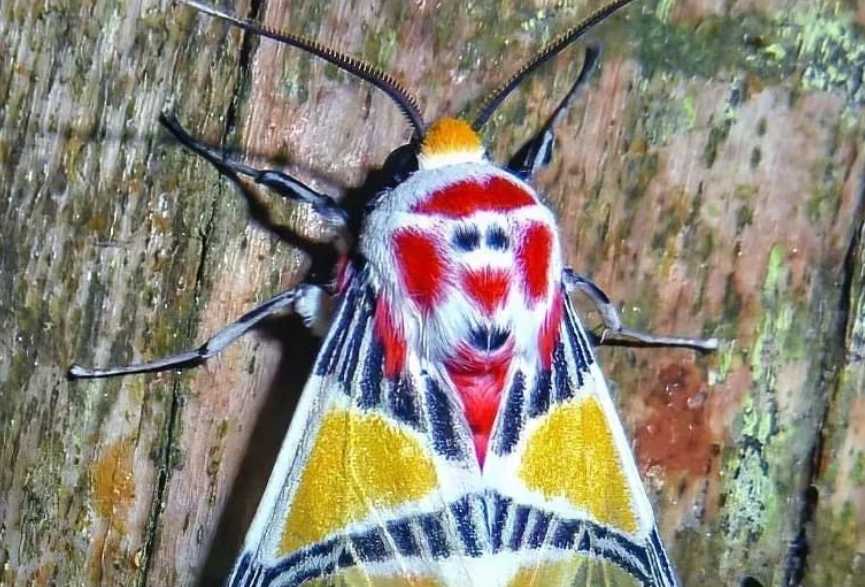
The "Human-Faced" Tiger Moth: A Mysterious Lepidopteran of Tropical Regions
In the lush ecosystems of tropical and subtropical zones, a fascinating moth has evolved a 诡异 (bizarre) trait: distinct markings on its hindwings that resemble a human face. This tiger moth (subfamily Arctiinae) has captivated entomologists and nature enthusiasts alike for its uncanny mimicry, blending survival strategy with eerie aesthetic.
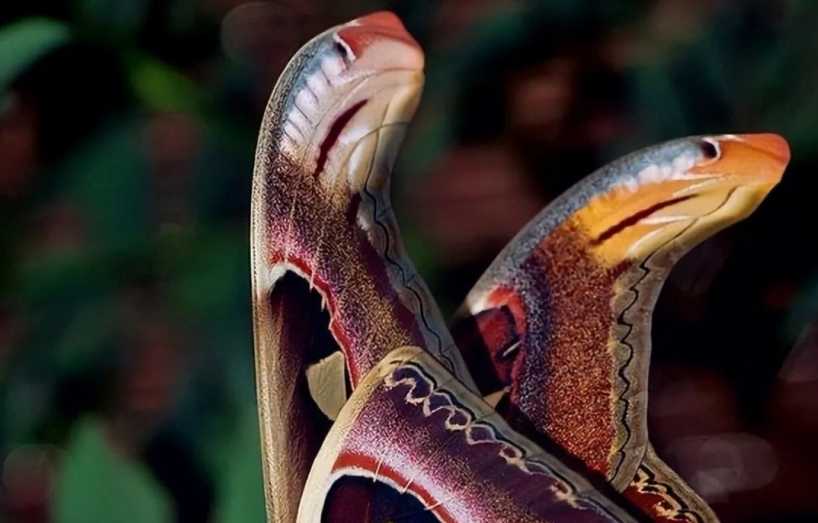
The Atlas Moth: Wings That Mimic Two Snake Heads
In the tropical forests of Asia, the Atlas moth (Attacus atlas) astounds with its massive wingspan—reaching up to 25 centimeters, roughly the size of an adult human palm. Yet its most remarkable trait lies in the dramatic patterns on its hindwings: two eye-like spots and serpentine shapes that uncannily resemble a pair of snake heads, a masterful evolutionary trick to deter predators.