

Rare Organism


1 minute read

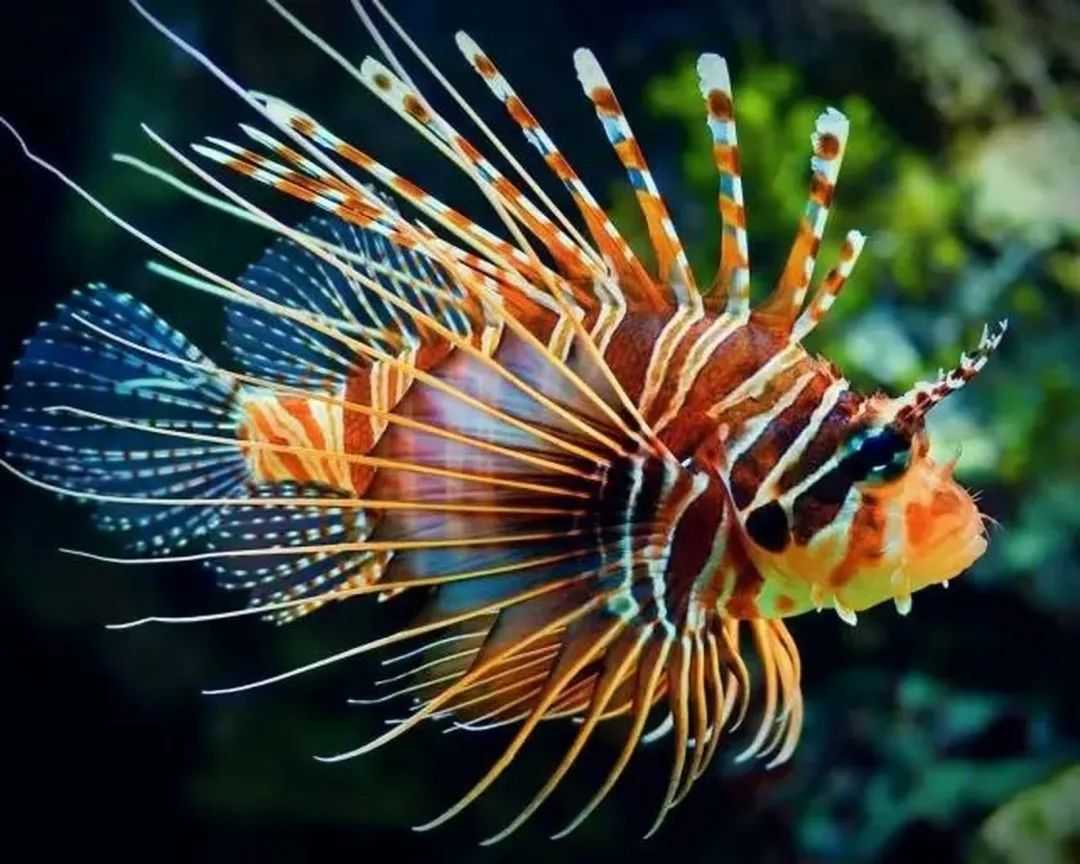
The Poisonous Beauty of the Reefs: Lionfish

In the warm waters of tropical and temperate regions, the lionfish, or Pterois, is a striking inhabitant of coral reefs. Growing to around 30 centimeters in length, this carnivorous fish commands attention not only for its predatory nature but also for its flamboyant appearance. As it glides among the coral, it stands out as both a marvel and a cautionary presence in the marine ecosystem.

The Poisonous Beauty of the Reefs: Lionfish
1 minute read

The Enchanting Sea Horses: Nature’s Miniature Marine Marvels

While it’s no secret that sea horses aren’t horses, these captivating creatures have long charmed observers with their whimsical appearance and unique behaviors. Belonging to the Syngnathidae family of bony fish, sea horses inhabit tropical and temperate shallow waters, ranging in size from 5 to 30 centimeters. Unlike most fish, they boast a suite of adaptations that make them stand out as true oddities of the ocean.

The Enchanting Sea Horses: Nature’s Miniature Marine Marvels
1 minute read

The Mythical Kraken Reimagined: The Giant Squid

Deep within the world’s darkest ocean trenches lurks the giant squid (Architeuthis dux), a creature that has long inspired both fear and fascination. Stretching over 12 meters in length, this deep-sea behemoth boasts the largest eyes in the animal kingdom—each the size of a dinner plate—allowing it to detect faint movements in the pitch-black abyssal zone. Its legendary status as a "sea monster" is rooted in centuries of maritime folklore, with many believing it to be the inspiration behind the Nordic myth of the Kraken.

The Mythical Kraken Reimagined: The Giant Squid
1 minute read

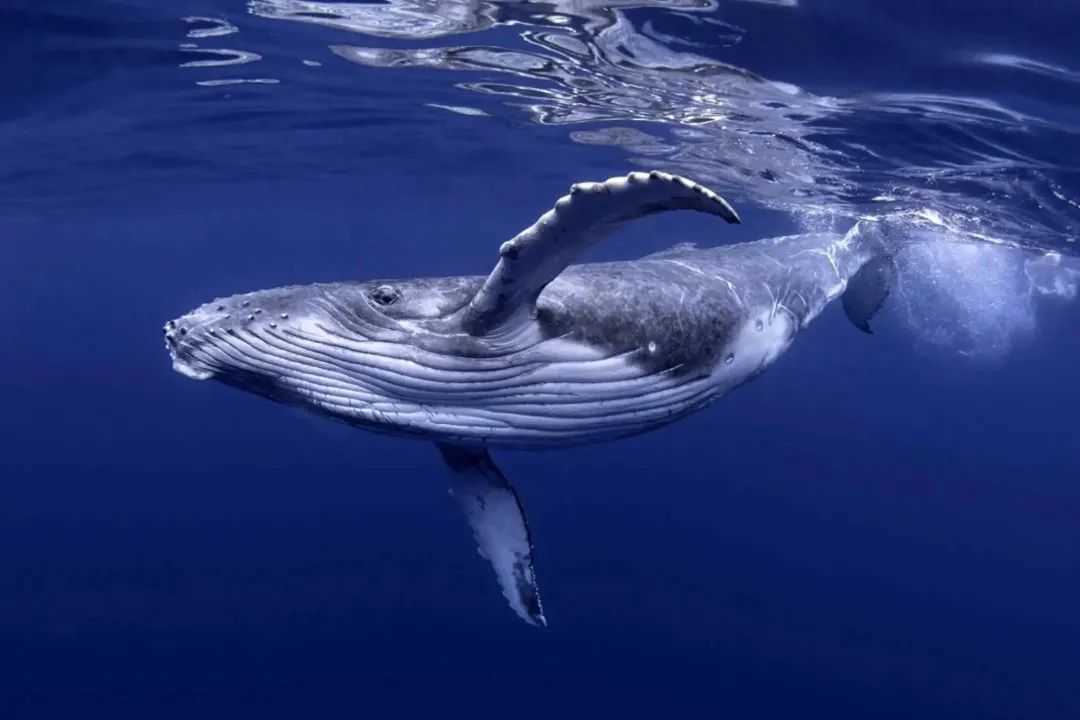
The Magnificent Humpback Whale: Gentle Giants of the Ocean

Reaching up to 15 meters in length, humpback whales (Megaptera novaeangliae) are among the most iconic and awe-inspiring creatures in Earth’s oceans. Often speculated to be the inspiration behind the mythical "Kun" — a giant fish-like creature from ancient Chinese legends — these marine mammals command attention with their massive size and distinctive appearance. When floating at the surface, their barnacle-covered skin and rugged features give them the guise of a drifting island, a sight that blends majesty with a touch of primal mystery.
The Magnificent Humpback Whale: Gentle Giants of the Ocean
1 minute read

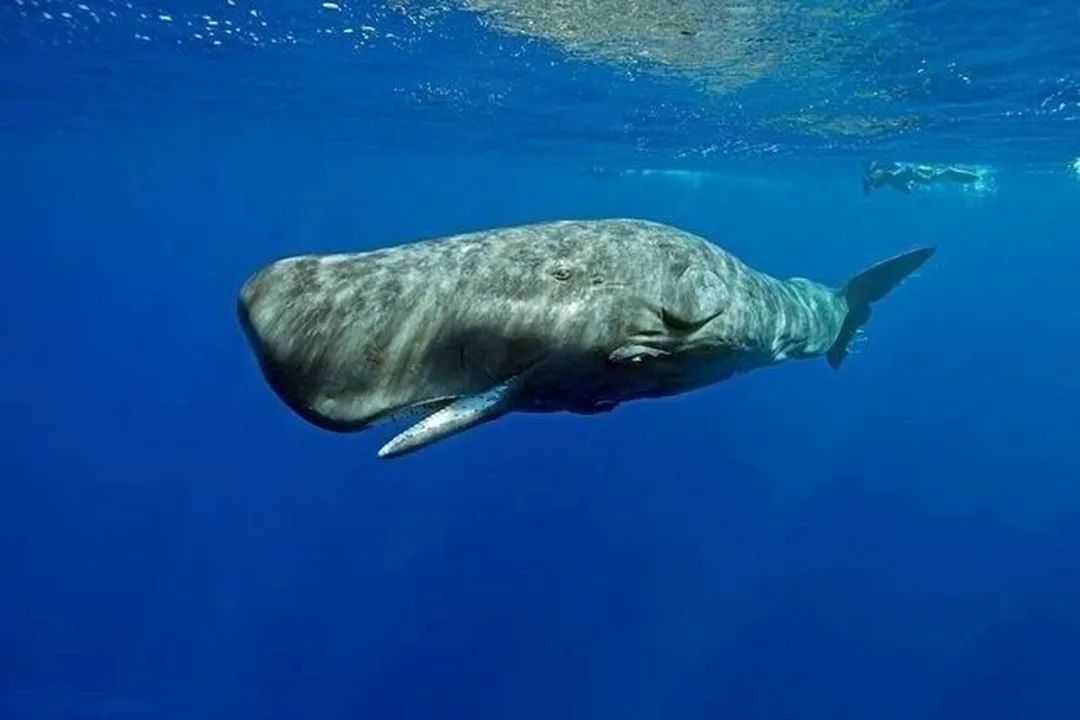
Sperm Whales: Titans of the Deep with Complex Lives

Growing up to 16 meters in length, sperm whales (Physeter macrocephalus) are defined by their enormous heads, which make up nearly one-third of their body size. These marine giants dominate the deep ocean, blending imposing physiology with a sophisticated social structure that has fascinated scientists for decades. From their coordinated hunting strategies to their mysterious resting behaviors, they embody the ocean’s enigmatic power.
Sperm Whales: Titans of the Deep with Complex Lives
1 minute read

Leedsichthys: The Gentle Giant of the Prehistoric Seas

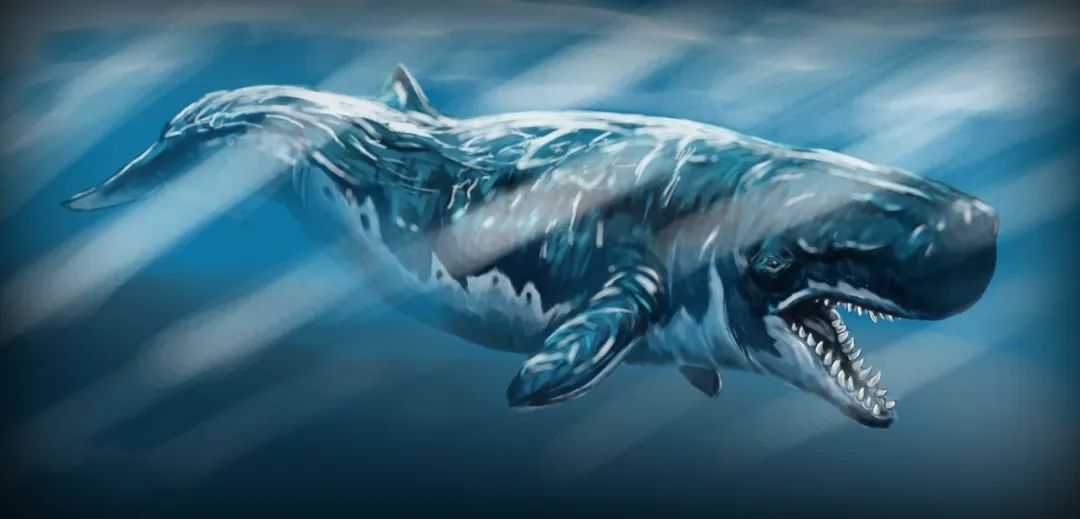
Swimming through the oceans over 160 million years ago during the Jurassic period, Leedsichthys was a colossal bony fish that dominated its aquatic realm. Stretching over 17 meters in length, this prehistoric behemoth dwarfed most marine creatures of its time, yet its survival relied not on aggression but on unique adaptations that made it a passive giant of the deep.
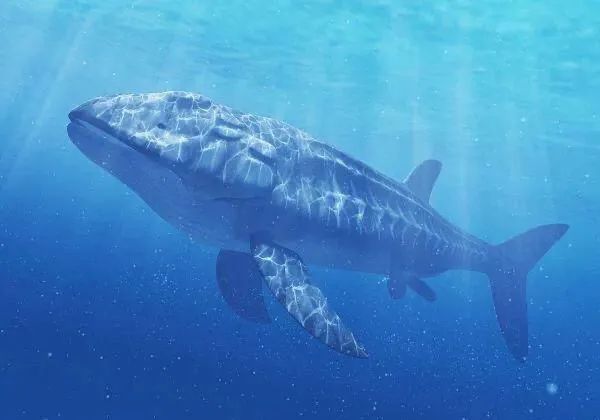
Leedsichthys: The Gentle Giant of the Prehistoric Seas
1 minute read

Mosasaurus: The Reptilian Tyrant That Conquered Cretaceous Seas

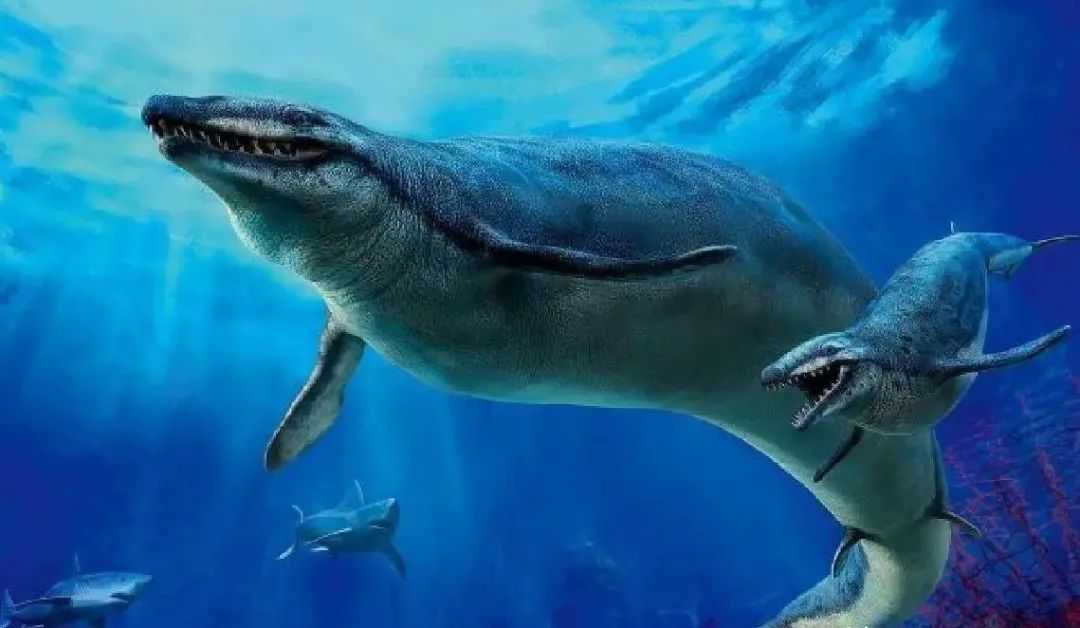
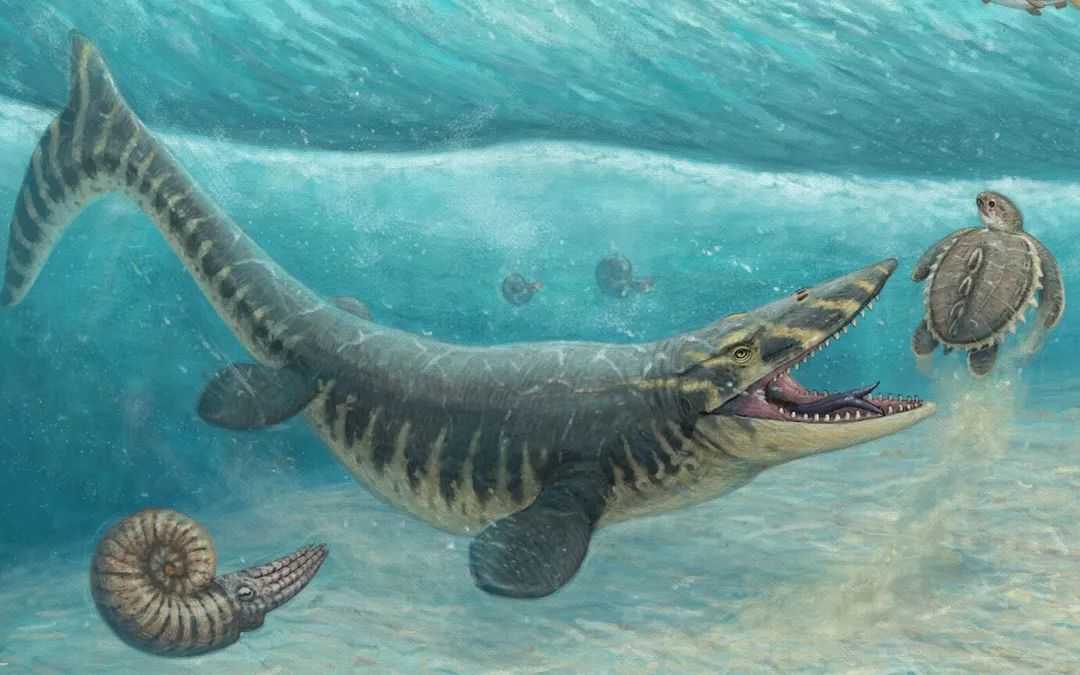
Dominating the oceans during the late Cretaceous period, Mosasaurus stood as a fearsome marine reptile, measuring over 17 meters in length and reigning as the undisputed apex predator of its time. Unlike modern marine creatures, this colossal beast traced its evolutionary roots to small, land-dwelling lizards, a transformation that culminated in one of the most successful oceanic conquests in prehistory.

Mosasaurus: The Reptilian Tyrant That Conquered Cretaceous Seas

Latest Stories
Feline News2 minute readThe Oriental Longhair, a breed celebrated for its elegance and intelligence, traces its roots to mid-20th-century breeding programs aimed at expanding the color and pattern diversity of Siamese cats . Developed through crosses with breeds like Russian Blues and British Shorthairs, these cats gained recognition in the 1970s and were officially acknowledged by The International Cat Association (TICA) in 1979 and the Cat Fanciers' Association (CFA) in 1995 .
Feline News2 minute readThe Korat cat, originating from Thailand’s Nakhon Ratchasima province (formerly Korat), is a breed deeply rooted in history and cultural significance. Revered for centuries as a symbol of good luck and prosperity, these silver-blue felines have enchanted the world with their striking appearance and affectionate nature.
Feline News2 minute readA heartwarming tale of survival and companionship has thrust the Munchkin cat into the global spotlight, showcasing the breed’s unique charm and indomitable spirit. Mochi, an 8-month-old Munchkin rescued from a life-threatening illness, has become an international symbol of hope, embodying the resilience and playful nature that define these short-legged felines.
Travel News2 minute readPerched atop an 82-meter volcanic plug in Le Puy-en-Velay, France, the Chapelle Saint-Michel d’Aiguilhe stands as a testament to faith and engineering prowess. Built in 962 AD, this architectural marvel balances precariously on a basaltic rock formation, blending Romanesque austerity with Moorish-inspired ornamentation to create one of Europe’s most dramatic religious landmarks.
Feline News2 minute readRagamuffin cats, affectionately known as "muffins," have captured the hearts of cat lovers worldwide with their plush coats, docile personalities, and striking appearance. Originating in the United States in the 1990s, this breed emerged from a group of breeders seeking to expand the genetic diversity of Ragdoll cats. By crossing Ragdolls with Persians, Himalayans, and other long-haired breeds, they created a larger, more robust feline with a broader range of coat colors and patterns
Canine News2 minute readOriginating in the early 20th century, the American White Shepherd traces its lineage to the German Shepherd. Due to a recessive white coat gene, these dogs were long considered "flawed" in Germany and systematically culled from breeding programs12. However, North American breeders recognized their unique appeal and selectively developed them into a distinct breed, officially acknowledged by the United Kennel Club (UKC) in 199917
Canine News1 minute readAs the world's first operational vertical/short takeoff and landing (V/STOL) fighter jet, the British-developed Harrier, nicknamed the "Jump Jet," has left an indelible mark on aviation history through its groundbreaking design and combat prowess.