
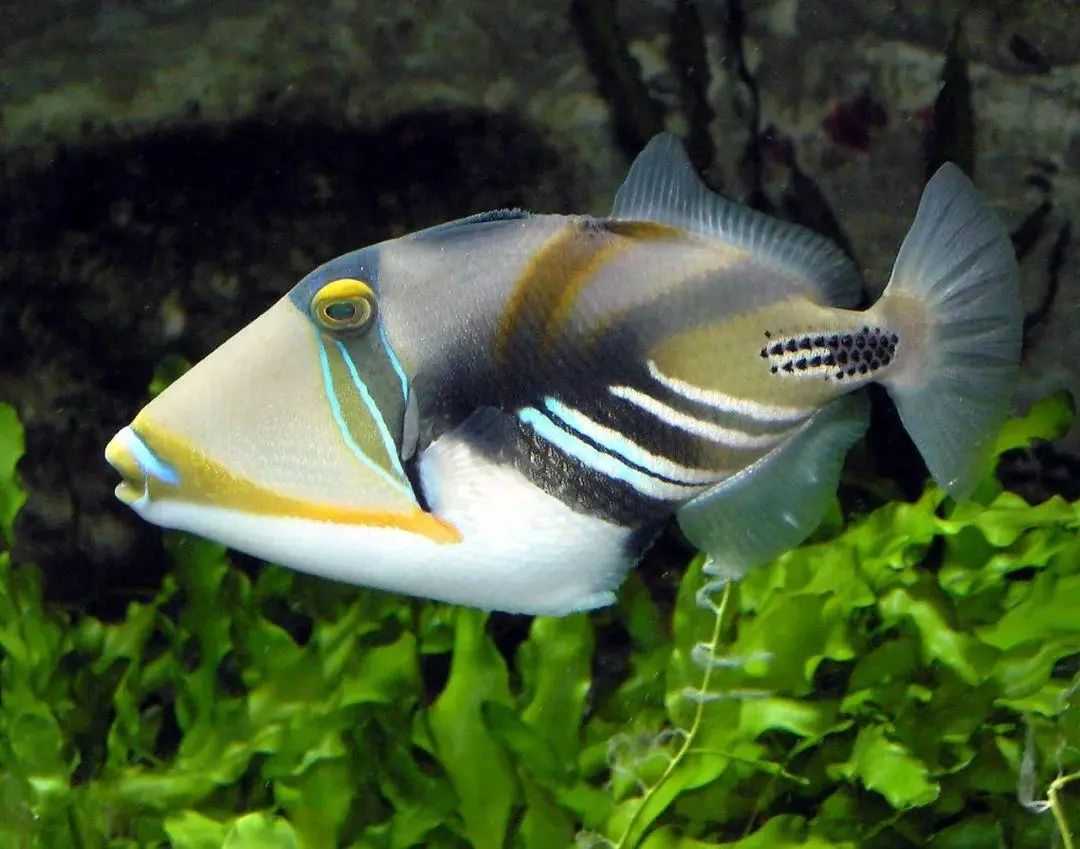
Rhinecanthus aculeatus: The Vividly Striped Triggerfish of Tropical Reefs
Rhinecanthus aculeatus, commonly known as the Picasso triggerfish or harlequin triggerfish, is a striking marine species that commands attention in the coral reefs of the Indo-Pacific region. Named for its vibrant, geometric patterns resembling works of abstract art, this fish combines a unique appearance with fascinating behaviors, making it a captivating subject for divers, researchers, and marine enthusiasts alike.
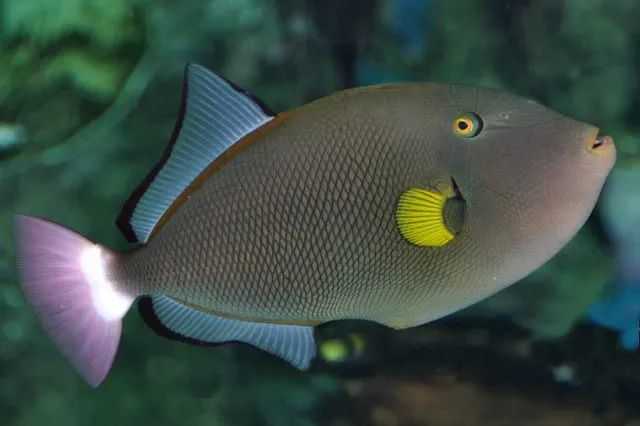
Melichthys vidua: The Dazzling Red-Tailed Triggerfish of Tropical Reefs
Melichthys vidua, commonly known as the red-tailed triggerfish or "glass cannonball," is a vibrant marine species that adds a splash of color to the coral reefs of the Indo-Pacific region. Belonging to the Balistidae family, this fish is celebrated for its striking appearance and dynamic behavior, captivating divers and marine enthusiasts with its bold patterns and feisty personality.
Periophthalmus spp.: The Amphibious "Mud Skippers" of Coastal Ecosystems
Inhabiting the intertidal mudflats and mangrove forests of the Indo-Pacific region, these small fish have evolved remarkable adaptations that blur the line between aquatic and terrestrial life, making them a fascinating subject of ecological study.

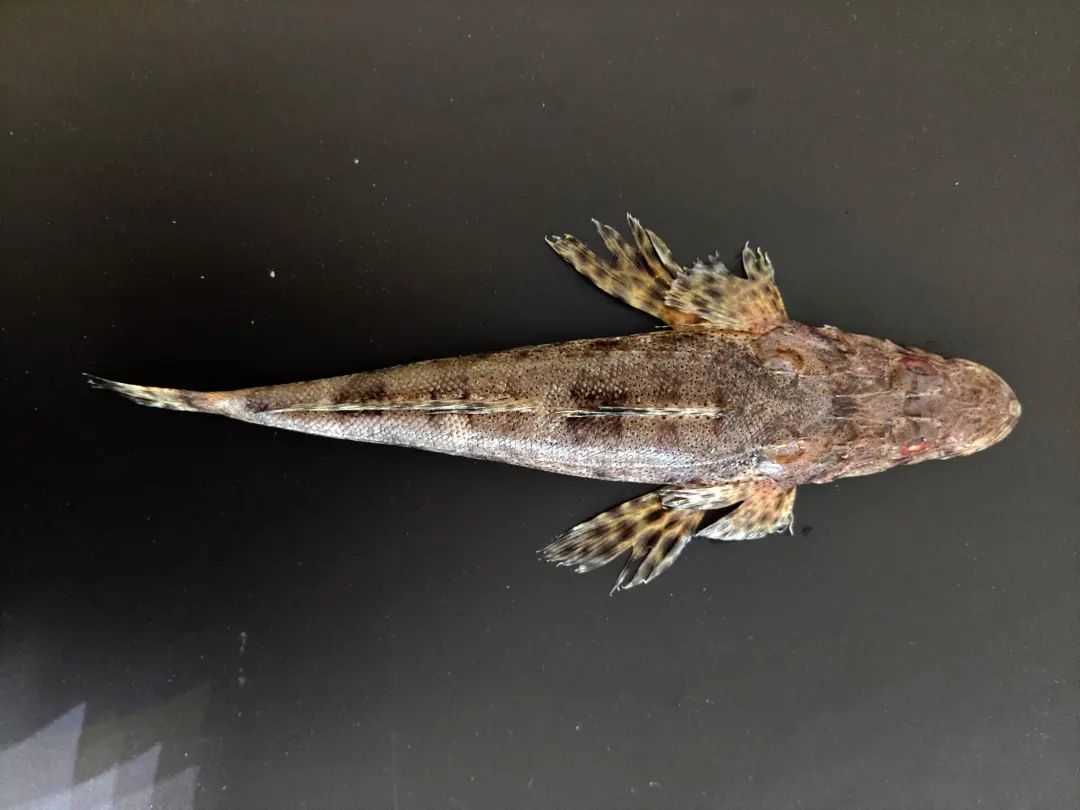
Platycephalus indicus: The Formidable Flathead of Coastal Waters
Platycephalus indicus, commonly known as the Indian flathead or by various regional names such as "ox-tail fish" and "braid fish" in northern regions, is a remarkable fish species inhabiting the coastal waters of the Indo-Pacific. Renowned for its unique appearance and a formidable defense mechanism, this fish has earned its place as both a fascinating marine subject and a prized catch for fishermen.
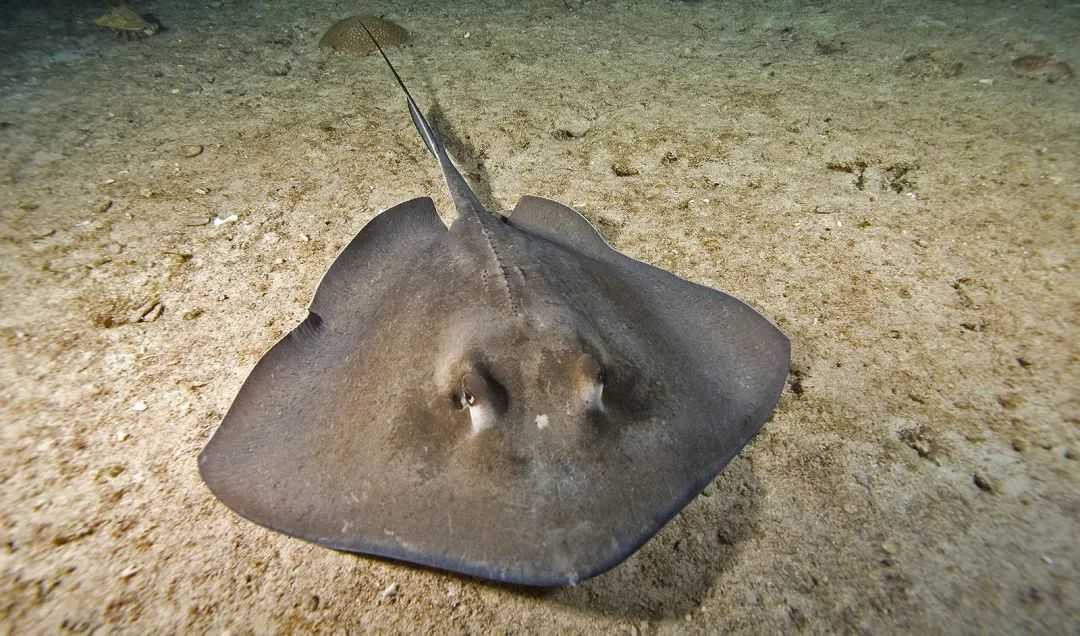
Dasyatis akajei: The Coastal Giant of the Stingray Family
Dasyatis akajei, commonly known as the red stingray or Japanese common stingray, is a prominent species within the Dasyatidae family, widely distributed along the coastal waters of the northwestern Pacific Ocean. As a member of the cartilaginous fish group, this ray is characterized by its flattened disc-shaped body, long tail, and distinctive coloration, making it a familiar sight in shallow marine and estuarine environments from China to Japan and Korea.
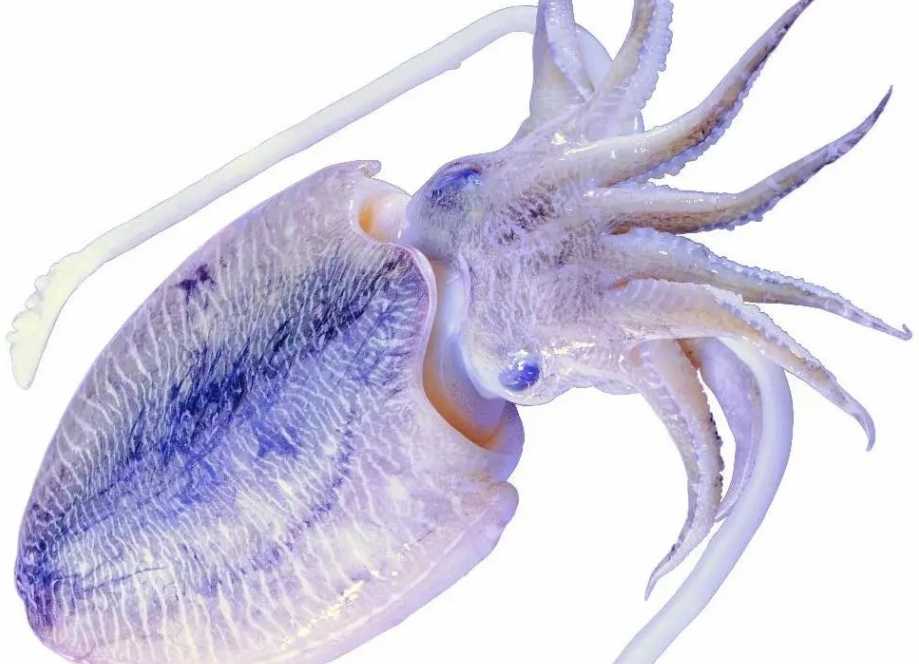
Cuttlefish: The Elusive Masters of Camouflage and Deception
Cuttlefish, belonging to the Sepiidae family within the order Sepiida, are intriguing marine mollusks commonly known as "inkfish" due to their unique defense mechanism. Found in temperate and tropical oceans worldwide, these creatures are celebrated for their extraordinary ability to change skin color and texture in an instant, combined with a distinct oval body shape that sets them apart from their close relatives, squid.
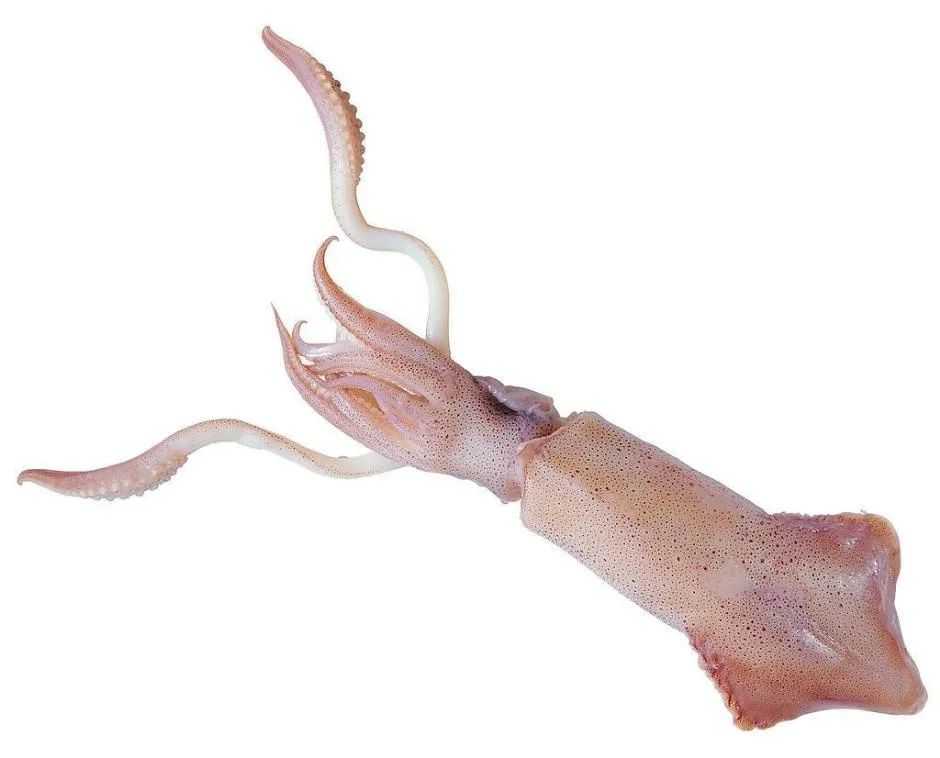
Squid: The Agile Cephalopods of the Open Seas
Squid, widely recognized as a popular seafood item, are fascinating marine mollusks belonging to the Teuthida order. These soft-bodied cephalopods are characterized by their elongated, torpedo-shaped bodies, ten flexible appendages (including eight arms and two specialized feeding tentacles), and a remarkable ability to navigate the world’s oceans with speed and precision. Found in both shallow coastal waters and the deepest abyssal zones, they play a crucial role in marine ecosystems as both predators and prey.
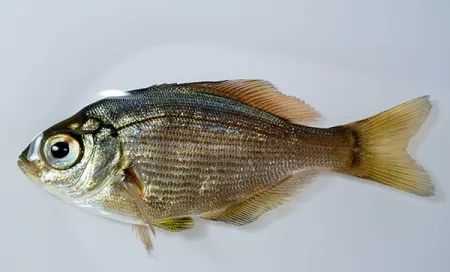
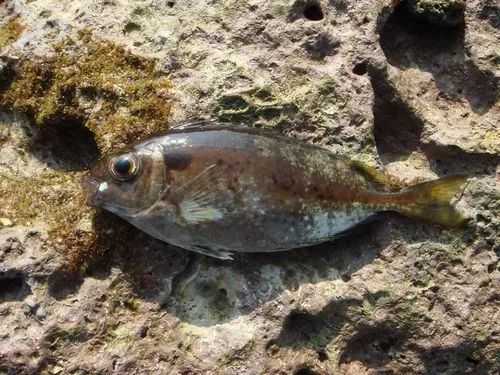
Ditrema temmincki: The Elusive "Sea Crucian" of the Yellow Sea
Ditrema temmincki, commonly known as the sea knifefish or by regional nicknames, is a small temperate marine fish belonging to the Embiotocidae family. Inhabiting the coastal waters of the Yellow Sea, this species is celebrated for its unique appearance and selective feeding habits, drawing comparisons to freshwater crucian carp due to its gentle feeding behavior and streamlined form.